Need More Equipment Planning Resources?
Explore additional planning resources including procurement checklists, budget calculators, ROI calculators, specification sheets, and grant funding guidance.
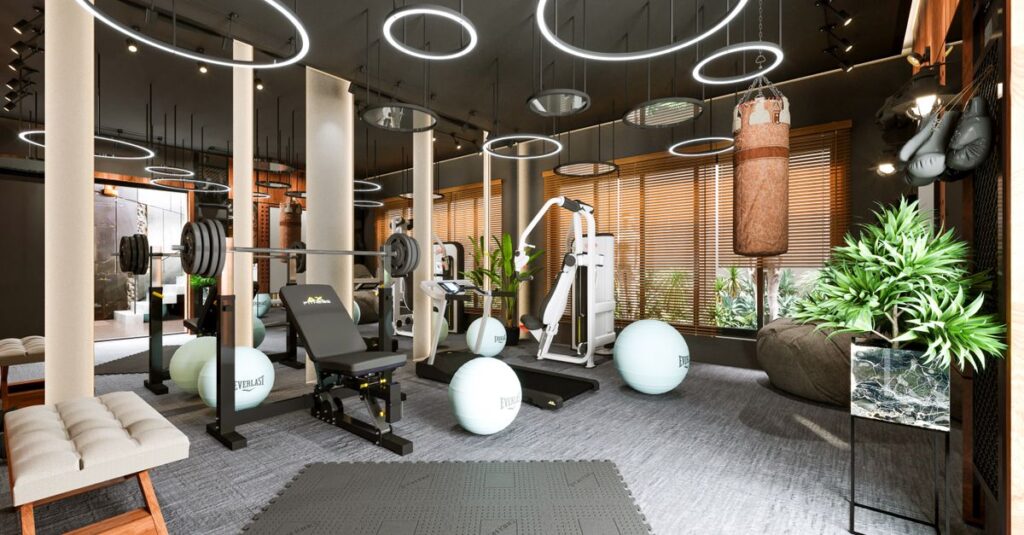
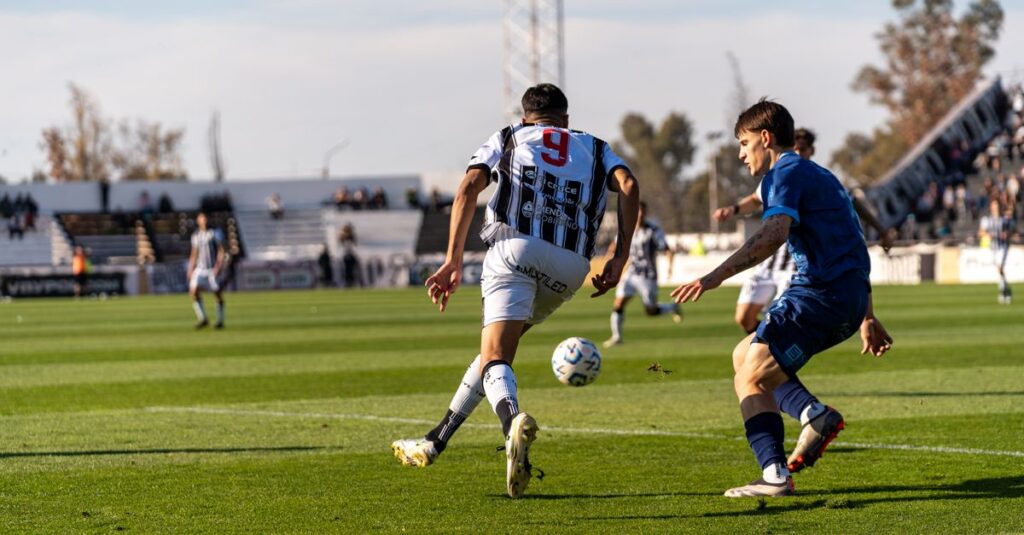


Equipment planning helps organizations evaluate current resources, prioritize purchasing needs, manage replacement schedules, and develop long-term strategies for athletic facilities and sports programs.
Successful equipment planning considers facility usage, equipment condition, budget availability, maintenance requirements, safety standards, and future program growth.
Equipment planning is the process of evaluating current assets, identifying future needs, prioritizing purchases, and developing long-term procurement strategies.
It helps organizations maximize budgets, improve facility readiness, reduce equipment shortages, and support safe athletic environments.
Organizations should consider facility needs, participation levels, equipment condition, available funding, maintenance requirements, safety standards, and replacement schedules.
Equipment plans should be reviewed annually or whenever facilities expand, programs change, or major equipment purchases are planned.
Many organizations evaluate equipment age, condition, safety risks, usage frequency, and available funding before determining replacement priorities.
Yes. Regular maintenance helps extend equipment life, improve safety, reduce repair costs, and support long-term procurement planning.
Planning provides estimated purchasing timelines and replacement priorities that help organizations prepare realistic budgets and funding requests.
Yes. Well-developed equipment plans simplify purchasing decisions, reduce emergency purchases, and improve coordination with suppliers.
Schools, universities, recreation departments, community centers, commercial fitness facilities, and professional sports organizations all benefit from structured equipment planning.
Planning helps organizations coordinate equipment purchases with facility upgrades, renovation projects, safety improvements, and future program expansion.