Budget & Funding

Plan equipment budgets, evaluate funding opportunities, prioritize capital investments, and develop long-term purchasing strategies for schools, universities, municipalities, nonprofits, and athletic organizations.

Budget Planning Resources by Organization Type

Budget planning varies by organization type, available funding sources, procurement requirements, and facility priorities. Explore planning resources designed for different sports organizations and purchasing environments.
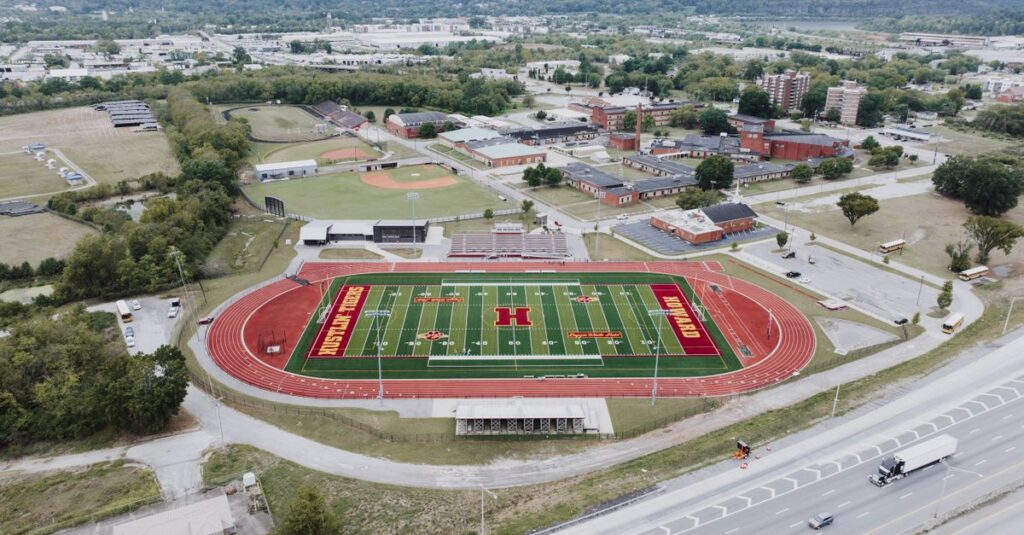
Aerial photograph of the Howard High School stadium and surrounding buildings in Chattanooga, Tennessee.
Schools
Budget planning for physical education, school athletics, replacement schedules, and annual equipment purchasing.
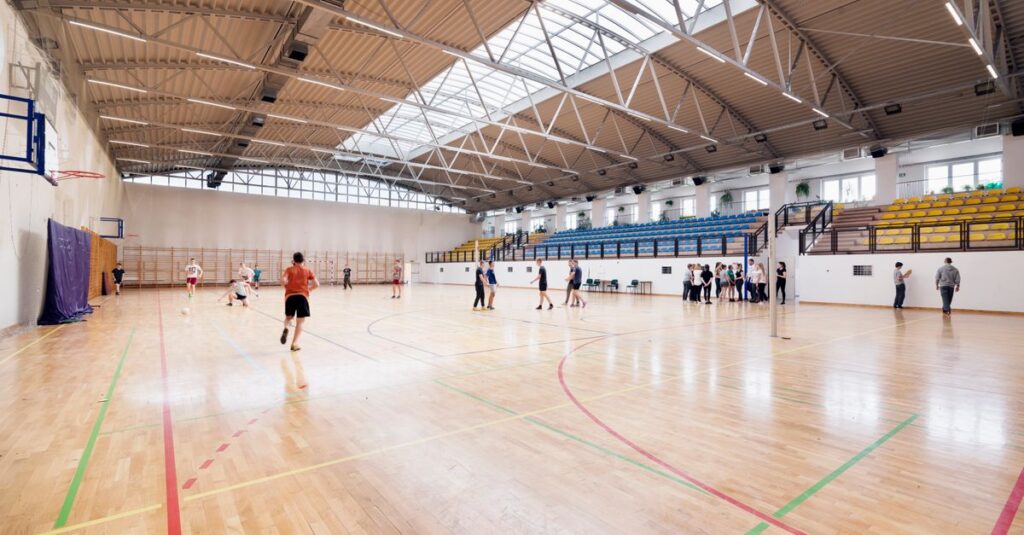
Wide-angle view of an indoor basketball court with players practicing and engaging in sports activities.
Universities
Capital planning, campus recreation budgets, varsity athletics, and long-term facility investment strategies.
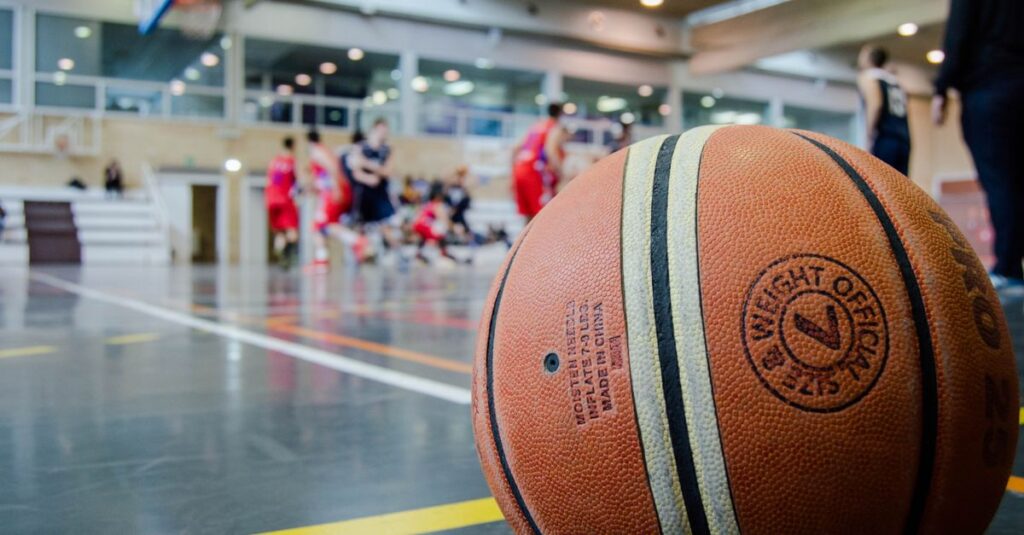
Captivating indoor basketball scene with players actively engaged in a game.
Municipal Facilities
Public recreation funding, community sports facilities, procurement policies, and capital improvement planning.
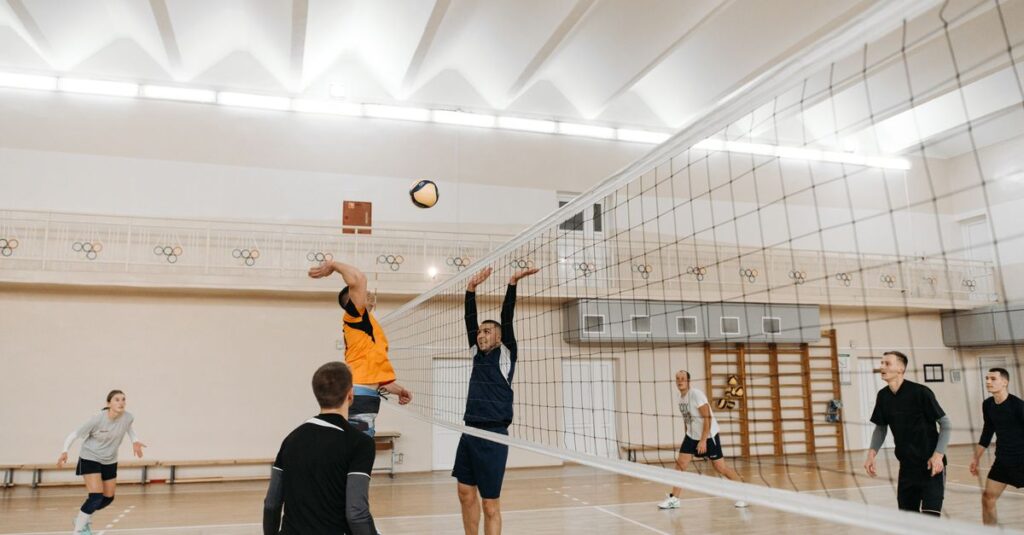
Dynamic scene of a competitive indoor volleyball game with players in action.
Nonprofits
Grant funding, donor-supported purchasing, community programs, and cost-effective equipment planning.

Budget Planning Objectives

Effective budget planning helps organizations allocate resources strategically, prioritize equipment investments, reduce unnecessary spending, and maintain safe, high-quality sports facilities.
  • Support long-term equipment planning
  • Improve purchasing decisions
  • Prioritize replacement schedules
  • Reduce unexpected expenses
  • Optimize available funding

Typical Funding Sources

Sports organizations often combine multiple funding sources to support equipment purchases, facility improvements, and program expansion.
  • Annual operating budgets
  • Capital improvement funds
  • Government grants
  • Community fundraising
  • Corporate sponsorships
  • Private donations

Explore Budget Planning Resources

Explore practical resources including procurement checklists, budget calculators, grant funding guides, purchasing templates, and planning tools.
F.A.Q.

A sports equipment budget should include product costs, freight, delivery, installation, site preparation, staff training, maintenance, replacement parts, warranties, storage, inspections, and future replacement expenses. Including the full cost of ownership produces a more accurate financial plan than considering purchase price alone.

Organizations should prioritize purchases according to safety risks, compliance requirements, equipment condition, program demand, operational importance, maintenance cost, and available funding. Items that affect participant safety or prevent programs from operating should generally receive the highest priority.

Annual budgets should normally be reviewed at least once each fiscal year. High-use equipment, major facilities, and multi-year capital projects may require quarterly or semiannual reviews to account for price changes, maintenance needs, funding availability, and revised program priorities.

An operating budget supports recurring expenses such as smaller equipment purchases, maintenance, supplies, inspections, and routine repairs. A capital budget is generally used for major assets or long-term improvements, including facility construction, court resurfacing, bleachers, scoreboards, fitness systems, and large equipment installations.


Potential funding sources include annual operating budgets, capital improvement funds, municipal appropriations, education funding, recreation grants, private foundations, corporate sponsorships, community fundraising, donations, and partnerships with local organizations. Availability depends on the organization and project.

Schools and nonprofits can review government grant portals, education foundations, community foundations, sports associations, health initiatives, corporate giving programs, and local recreation funding opportunities. Each grant should be screened for eligibility, allowable expenses, deadlines, matching requirements, and reporting obligations.

Frequently overlooked costs include shipping, installation, permits, site preparation, electrical work, storage, staff training, inspection fees, replacement parts, software subscriptions, maintenance contracts, and disposal of old equipment. These costs can significantly increase the final project expense.

Organizations may reduce costs through competitive bidding, cooperative purchasing, bulk orders, standardized product specifications, multi-year agreements, lifecycle planning, preventive maintenance, and vendor comparison. Lower purchase prices should not be prioritized at the expense of safety, durability, compliance, or service support.

An equipment replacement plan identifies when assets should be repaired, retired, or replaced based on age, condition, usage, safety risk, maintenance history, and expected service life. It helps organizations spread expenses over multiple budget periods and avoid emergency purchases.
Value can be evaluated through usage rates, participant capacity, program growth, maintenance savings, safety improvements, operational efficiency, revenue potential, and expected service life. The most appropriate measurements depend on whether the investment supports education, recreation, competition, community access, or facility operations.

Related Articles

Hello world!

Welcome to WordPress. This is your first post. Edit or delete it, then start writing!...