Community Engagement

Strengthen community participation through accessible sports programs, public recreation initiatives, partnerships, volunteer support, and inclusive athletic opportunities for people of all ages and abilities.

Community Engagement Resources

Successful community engagement depends on strong partnerships, accessible facilities, inclusive programming, and active participation. These resources support organizations in building sustainable sports and recreation programs that serve diverse communities.
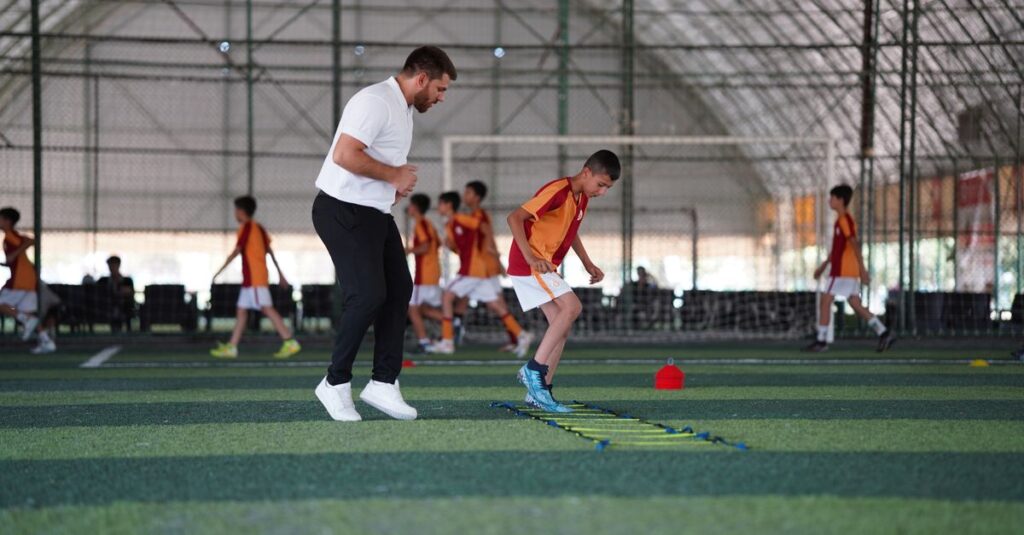
A young boy trains under a coach in a structured soccer practice indoors.
Community Programs
Develop recreational activities, youth initiatives, wellness programs, and community sports events that encourage participation throughout the year.
Two professionals exchange a handshake in a sunlit urban setting, symbolizing agreement and partnership.
Public Partnerships
Build relationships with schools, municipalities, nonprofit organizations, sponsors, and local businesses to expand community sports opportunities.
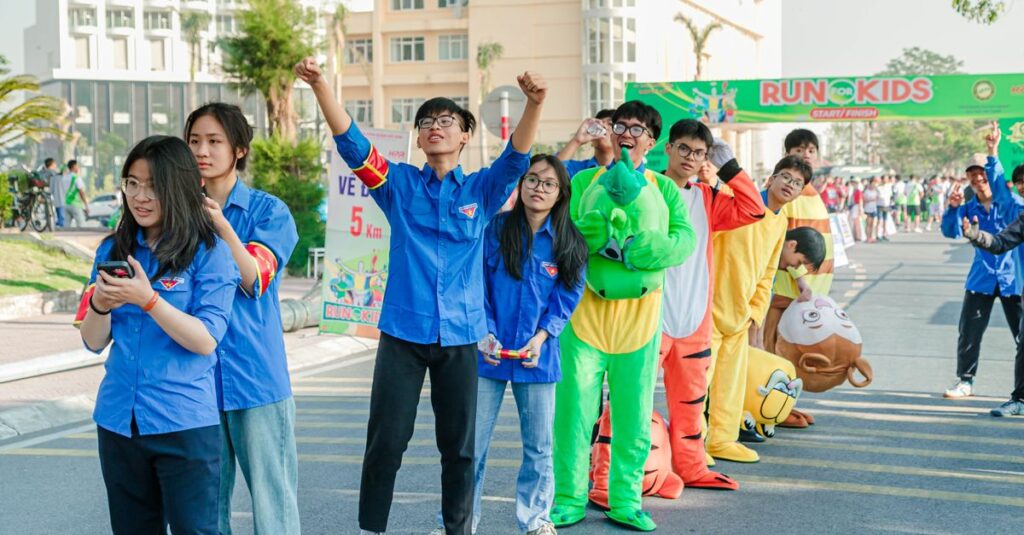
A lively scene of teenagers at a fun run event outdoors, with colorful costumes and cheerful expressions.
Volunteer Management
Recruit, organize, train, and support volunteers who contribute to sports events, youth activities, coaching assistance, and facility operations.
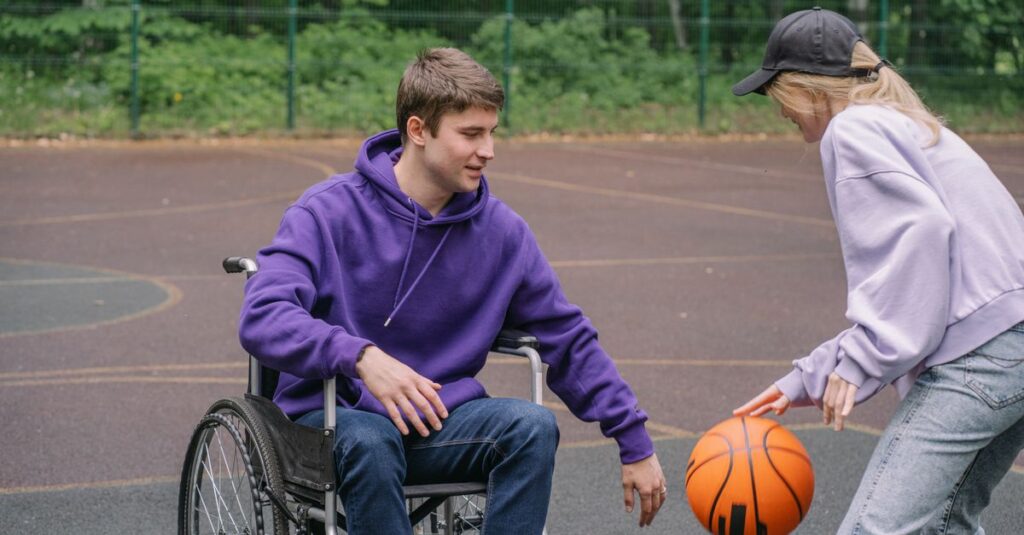
A man in a wheelchair plays basketball outdoors with a friend, promoting inclusion and sports.
Inclusive Recreation
Improve accessibility by providing facilities, programs, and equipment that support participants of different ages, backgrounds, and abilities.

Community Engagement Objectives

Community engagement helps sports organizations increase participation, strengthen local partnerships, improve program accessibility, and create positive recreational experiences for individuals and families. Well-designed community initiatives also support long-term organizational growth and public involvement.

  • Increase community participation
  • Promote inclusive recreation opportunities
  • Strengthen partnerships with local organizations
  • Support youth and family engagement
  • Expand volunteer involvement
  • Build long-term community relationships

Key Engagement Priorities

Successful engagement strategies combine effective communication, accessible programming, volunteer support, and collaborative partnerships to create sustainable community sports initiatives.

  • Community outreach
  • Youth participation
  • Volunteer coordination
  • Public events and activities
  • Facility accessibility
  • Partnership development

Explore Community Engagement Resources

Access community outreach guides, partnership development resources, volunteer management tools, youth program planning references, accessibility best practices, and public recreation planning resources.

F.A.Q.

Community engagement in sports involves creating programs, partnerships, and activities that encourage participation, improve access to recreation, and strengthen relationships between sports organizations and the communities they serve.

Strong community engagement increases participation, builds public trust, supports long-term program sustainability, encourages volunteer involvement, and helps organizations better serve local needs.

Organizations can increase participation by offering inclusive programs, reducing barriers to access, partnering with local schools and community groups, promoting events, and providing activities for different age groups and skill levels.

Volunteers assist with coaching, event operations, equipment management, registration, fundraising, facility support, and many other activities that help sports programs operate efficiently.


Partnerships are strengthened through regular communication, shared goals, collaborative planning, resource sharing, and long-term commitment between schools, municipalities, nonprofit organizations, sponsors, and community groups.

Inclusive programs provide equal opportunities regardless of age, ability, gender, background, or experience. Accessibility, adaptive equipment, welcoming environments, and flexible participation options all contribute to inclusive recreation.

Successful promotion combines digital communication, local media, schools, community organizations, social media, newsletters, and direct outreach to reach potential participants and families.

Regular programming, public events, partnerships, and recreational activities help increase facility usage, maximize community value, and support long-term operational sustainability.

Youth sports encourage healthy lifestyles, teamwork, leadership development, social interaction, and community involvement while creating opportunities for families to participate together.

Success may be measured through participation rates, volunteer involvement, partnership growth, event attendance, program retention, community feedback, and overall facility utilization.

Related Articles

Hello world!

Welcome to WordPress. This is your first post. Edit or delete it, then start writing!...