Bulk & Commercial Purchasing

Plan and manage large-scale athletic equipment purchases for schools, universities, recreation centers, municipalities, sports clubs, and commercial facilities.

Commercial Equipment Categories

Commercial athletic equipment purchasing covers a wide range of products used for sports programs, physical education, fitness training, recreation, and facility operations. Equipment requirements vary based on facility type, user capacity, sports programs, and long-term operational needs.
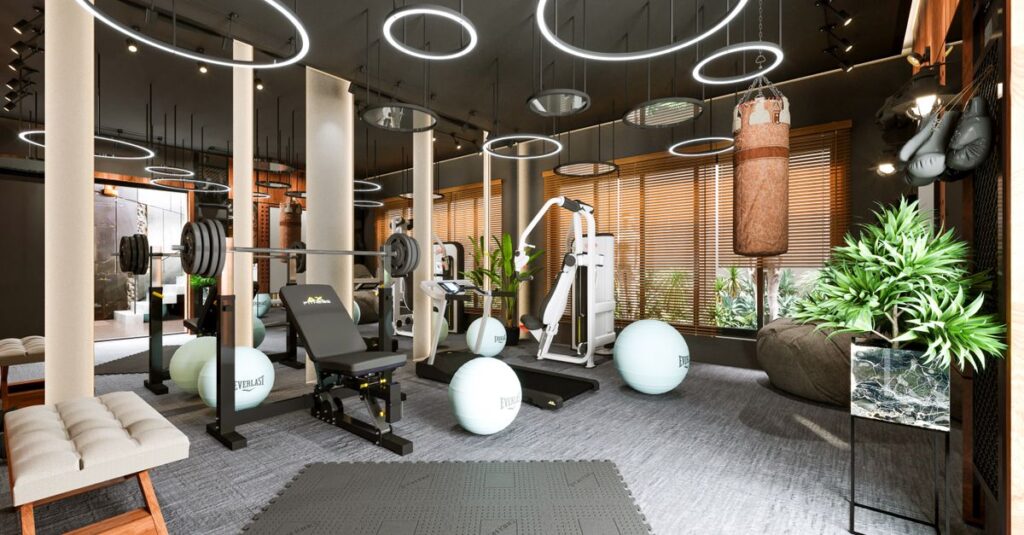
Stylish gym interior showcasing fitness equipment and contemporary lighting design.
Strength & Fitness Equipment
Commercial strength machines, cardio equipment, free weights, functional training systems, and conditioning equipment designed for continuous institutional use.
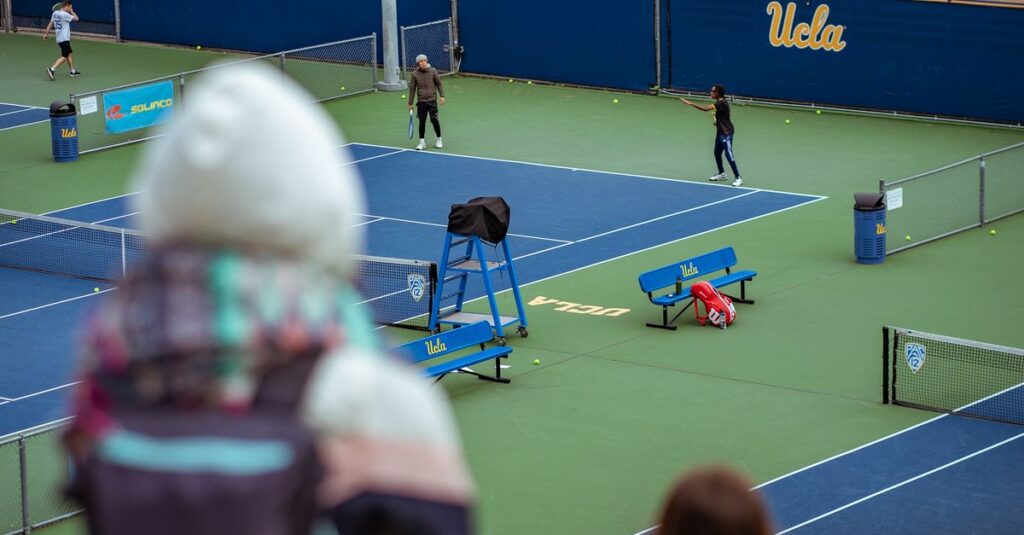
View of a tennis match at UCLA courts with spectators.
Court & Indoor Sports Equipment
Basketball systems, volleyball equipment, badminton systems, table tennis tables, gym dividers, protective padding, and indoor sports accessories.
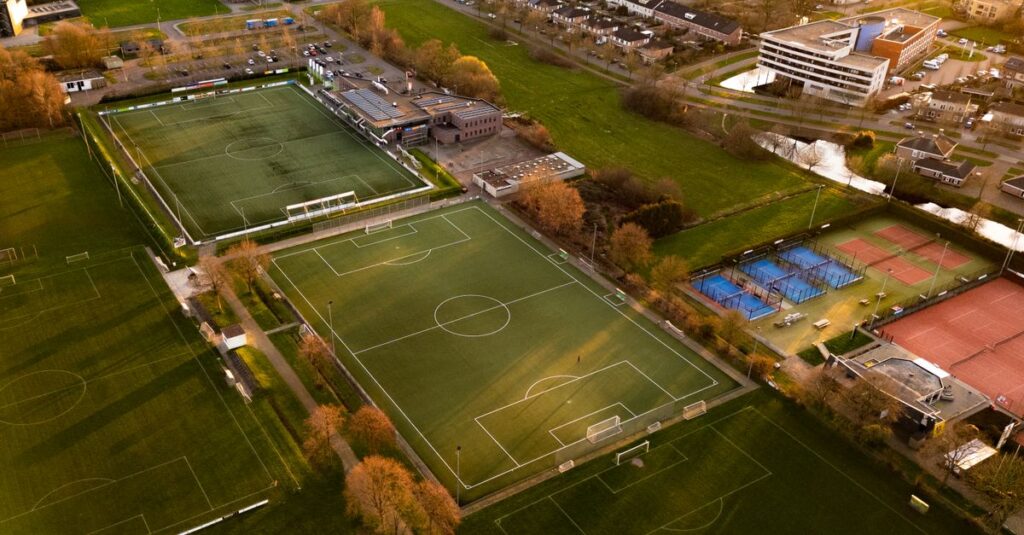
Aerial shot of sports fields and courts in Hoogeveen, Nederland at sunset.
Field & Outdoor Equipment
Soccer goals, football equipment, baseball and softball systems, track and field equipment, outdoor fitness stations, and park recreation equipment.
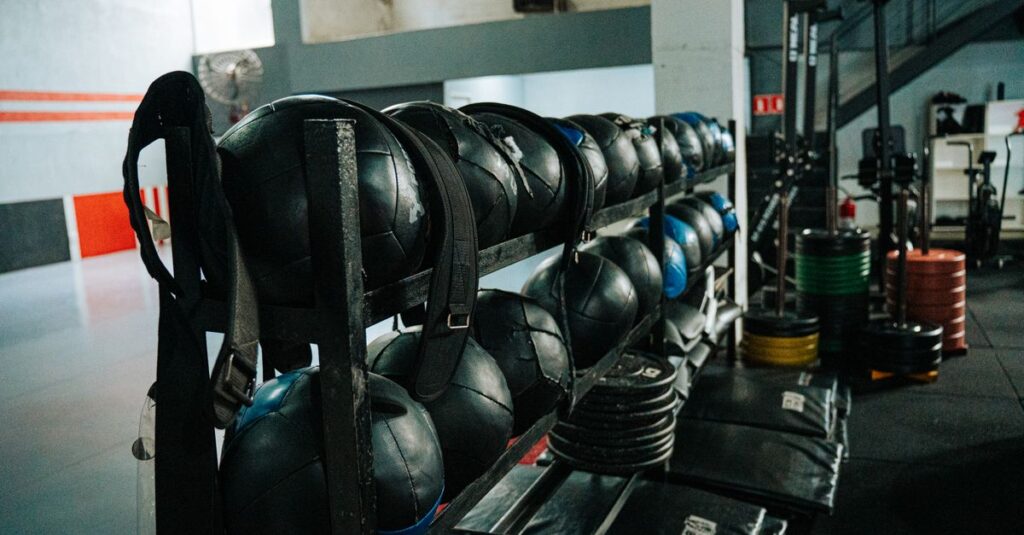
Well-equipped indoor gym featuring kettlebells, weights, and workout gear, perfect for fitness enthusiasts.
Facility Support Equipment
Equipment storage, bleachers, scoreboards, safety padding, divider curtains, benches, ball carts, and operational facility accessories.

Purchasing Objectives

Large-scale equipment purchasing focuses on balancing performance, budget, safety, operational efficiency, and long-term equipment management across multiple facilities or sports programs.
  • Standardize equipment across facilities
  • Improve purchasing efficiency
  • Reduce lifecycle operating costs
  • Support long-term facility management
  • Increase equipment durability
  • Optimize budget utilization

Key Purchasing Considerations

Commercial purchasing decisions typically involve evaluating equipment specifications, supplier capabilities, installation requirements, warranty coverage, maintenance needs, and total ownership costs before procurement.
  • Equipment specifications
  • Product quality and durability
  • Safety standards and certifications
  • Vendor qualifications
  • Warranty and service support
  • Installation requirements
  • Maintenance planning
  • Total cost of ownership

Procurement Resources

Access practical procurement resources that support commercial athletic equipment purchasing, including planning guides, equipment specifications, vendor evaluation materials, purchasing templates, and procurement best practices.

F.A.Q.

Bulk athletic equipment purchasing refers to acquiring sports equipment in larger quantities for schools, universities, municipalities, recreation departments, sports clubs, fitness centers, and commercial facilities.

Schools, colleges, universities, municipal parks departments, recreation centers, sports organizations, military facilities, fitness operators, and commercial athletic venues frequently purchase equipment through commercial procurement programs.

Commercial purchases may include strength equipment, cardio machines, court systems, sports goals, storage equipment, scoreboards, protective padding, benches, field equipment, and facility accessories.

Equipment planning typically considers facility size, participation levels, available space, sports programs, maintenance capacity, accessibility requirements, and long-term operational goals.


Pricing is commonly influenced by purchase volume, product specifications, customization, installation requirements, freight, supplier agreements, warranty coverage, and maintenance services.

Organizations generally compare product quality, certifications, manufacturing capability, project experience, delivery performance, customer service, warranty policies, and long-term support.

Using standardized equipment simplifies maintenance, improves operational consistency, reduces replacement complexity, streamlines staff training, and supports long-term asset management.

Total cost of ownership includes purchase price, installation, maintenance, repairs, replacement parts, operational expenses, and the expected service life of the equipment.

Replacement schedules depend on equipment usage, manufacturer recommendations, inspection results, maintenance history, safety standards, and organizational policies.

Common resources include procurement checklists, equipment specifications, bid templates, vendor evaluation guides, purchasing policies, budgeting tools, and lifecycle planning documents.

Related Articles

Hello world!

Welcome to WordPress. This is your first post. Edit or delete it, then start writing!...