International Procurement Resources
Access supplier evaluation guides, import planning resources, manufacturing checklists, logistics references, customs documentation, and global sourcing best practices for athletic equipment procurement.


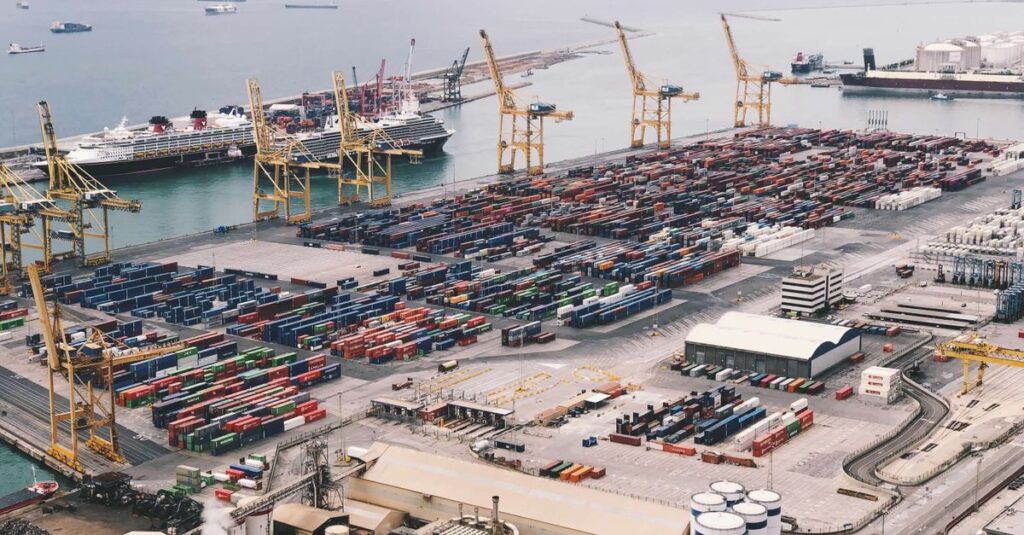

International procurement helps organizations access global manufacturing resources, optimize sourcing strategies, strengthen supplier relationships, and improve long-term supply chain performance while maintaining product quality and delivery reliability.
Successful international procurement requires organizations to evaluate supplier capabilities, manufacturing quality, shipping methods, customs requirements, lead times, logistics planning, and overall supply chain performance.
International procurement is the process of sourcing athletic equipment, materials, or services from suppliers located in other countries while managing manufacturing, logistics, customs, and international trade requirements.
Organizations often source internationally to access specialized manufacturers, expand supplier options, improve product availability, optimize procurement costs, and support long-term supply chain strategies.
Buyers typically evaluate manufacturing capabilities, product quality, certifications, production capacity, communication, financial stability, delivery performance, and previous export experience.
Common documents include purchase orders, commercial invoices, packing lists, bills of lading, certificates of origin, customs declarations, inspection reports, and shipping documentation.
Quality control helps verify that products meet agreed specifications before shipment, reducing the risk of product defects, delays, returns, and unexpected procurement costs.
Total landed cost includes product pricing, freight charges, customs duties, taxes, insurance, warehousing, inland transportation, and other expenses associated with importing products.
Organizations can reduce risks by conducting supplier evaluations, implementing quality inspections, diversifying suppliers, planning logistics carefully, monitoring production schedules, and maintaining clear procurement documentation.
Logistics coordinates transportation, warehousing, customs clearance, shipment tracking, and delivery to ensure products arrive on schedule and in compliance with import requirements.
Effective supplier management includes regular communication, performance monitoring, quality reviews, production planning, contract management, and long-term partnership development.
Useful resources include supplier evaluation checklists, import planning guides, logistics references, customs documentation, quality inspection standards, manufacturing resources, and supply chain best practices.