Team Equipment Resources
Access team equipment planning guides, inventory checklists, coaching resources, maintenance recommendations, purchasing guides, and equipment management best practices.

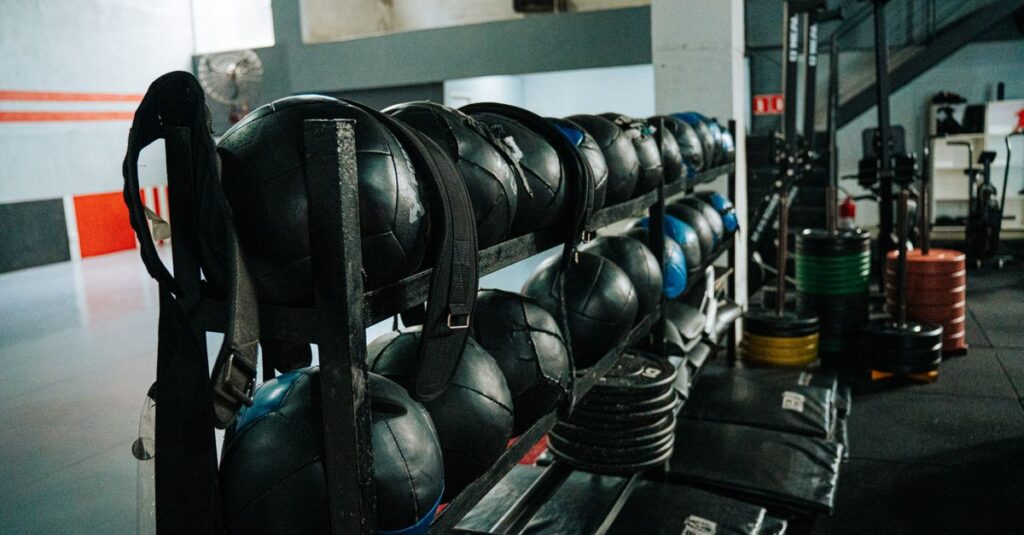



Appropriate team equipment helps organizations improve player development, support safe participation, enhance team operations, and provide consistent resources throughout practices, competitions, and seasonal programs.
Organizations should evaluate sport requirements, participant age, equipment durability, seasonal usage, storage capacity, maintenance requirements, and replacement planning when selecting team equipment.
Team equipment includes the equipment, accessories, and operational supplies used by athletic teams for practices, competitions, coaching, training, transportation, and season management.
Common team equipment includes practice balls, game balls, cones, goals, nets, protective equipment, coaching tools, ball carts, first aid kits, water stations, and equipment storage systems.
Equipment requirements are typically based on sport type, team size, participant age, competition level, training objectives, seasonal schedules, and organizational budgets.
Replacement schedules depend on equipment type, frequency of use, manufacturer recommendations, visible wear, safety requirements, and organizational maintenance practices.
Organizations typically evaluate durability, product quality, safety standards, storage requirements, ease of maintenance, replacement costs, and long-term value.
Organizations can improve management through inventory tracking, scheduled inspections, preventive maintenance, organized storage, and equipment replacement planning.
Proper organization improves operational efficiency, protects equipment, reduces loss, simplifies inventory management, and helps coaches prepare for practices and competitions.
Protective equipment helps reduce injury risks by protecting athletes during practices and competitions while supporting safer participation across different sports.
Equipment should be cleaned, inspected, organized, and stored in secure, dry environments using racks, storage carts, shelving systems, and equipment rooms when appropriate.
Useful resources include equipment inventories, purchasing guides, maintenance schedules, inspection checklists, coaching resources, storage recommendations, and equipment management best practices.