Cost & ROI Resources
Access ROI calculators, total cost of ownership guides, lifecycle cost resources, financial analysis templates, and procurement evaluation tools.
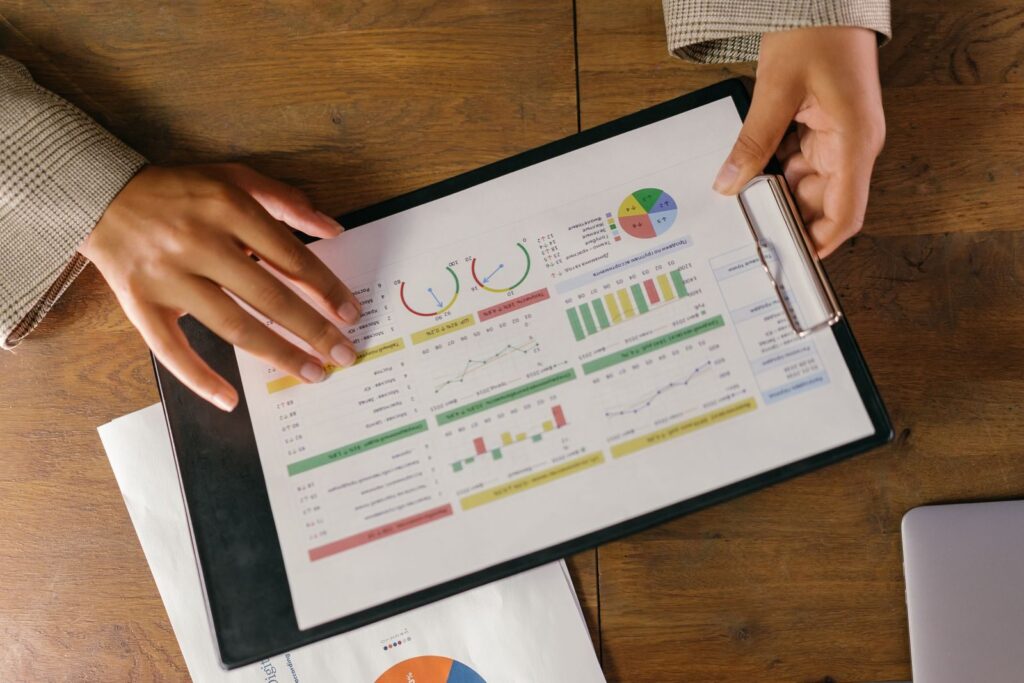
Cost and ROI analysis combines financial evaluation, lifecycle cost assessment, operational performance, and investment measurement to improve procurement decisions and maximize organizational value.
Financial analysis helps organizations maximize equipment investments while improving budgeting accuracy and procurement efficiency.
Cost and ROI analysis evaluates the financial value of equipment investments by comparing total ownership costs with expected operational and financial benefits.
ROI helps organizations determine whether equipment investments provide sufficient long-term value, operational improvements, and financial returns.
Total Cost of Ownership includes every cost associated with equipment throughout its lifecycle, including purchase, installation, maintenance, repairs, operation, training, and disposal.
ROI is commonly calculated by comparing the total benefits generated by an investment with its total costs over a defined period.
Typical costs include:
Lifecycle cost analysis helps buyers compare equipment based on long-term ownership costs rather than initial purchase price alone.
Common metrics include:
Organizations can improve ROI by selecting durable equipment, implementing preventive maintenance, increasing equipment utilization, reducing downtime, and optimizing procurement strategies.
ROI measures investment performance.
TCO measures total ownership costs.
Both metrics should be evaluated together.
Higher equipment utilization generally improves ROI because fixed ownership costs are distributed across more operational use.
Organizations should evaluate ROI during procurement planning and periodically throughout the equipment lifecycle.
Common KPIs include: