Vendor Evaluation

Evaluate suppliers using standardized criteria including quality, pricing, delivery performance, compliance, service capability, financial stability, supplier risk, and long-term partnership potential to support strategic procurement decisions.

Vendor Evaluation Framework

Vendor evaluation helps organizations compare suppliers using objective performance criteria, improve procurement decisions, reduce supply chain risk, and build reliable long-term supplier partnerships.
Business meeting with adults discussing and signing contracts over a table.
Supplier Qualification
Review supplier capabilities, certifications, production capacity, experience, and financial stability before procurement.
High angle of crop faceless coworkers in formal clothes sitting at wooden table with documents and fresh coffee while having meeting
Performance Evaluation
Assess supplier quality, delivery reliability, customer service, responsiveness, and historical performance.
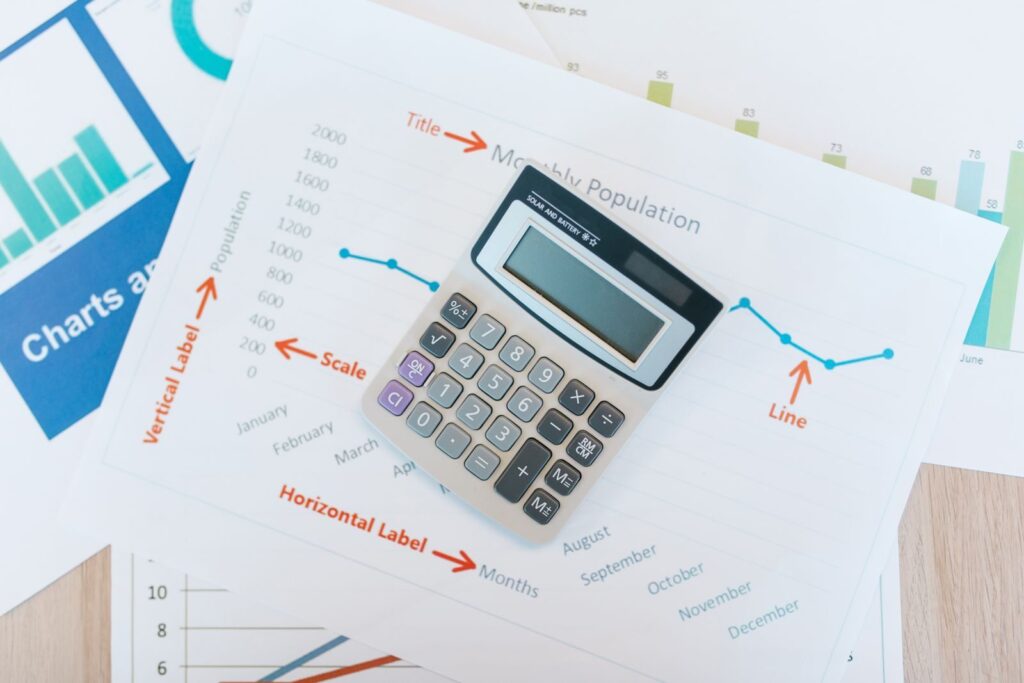
Calculator placed on financial graphs and reports showcasing data analysis and business documentation.
Cost & Value Analysis
Compare pricing, lifecycle value, service quality, warranties, maintenance support, and total ownership costs.
Close-up of hands holding devices during a business meeting, highlighting technology and note-taking.
Supplier Selection
Rank qualified suppliers using weighted evaluation criteria and procurement objectives to support purchasing decisions.

Vendor Evaluation Components

Vendor evaluation combines supplier qualification, performance measurement, financial analysis, compliance verification, and strategic assessment to support reliable purchasing decisions and long-term supplier relationships.

  • Supplier qualification
  • Performance evaluation
  • Quality assessment
  • Cost analysis
  • Compliance verification
  • Risk assessment
  • Supplier comparison
  • Selection recommendations

Benefits of Vendor Evaluation

A structured vendor evaluation process improves supplier quality, reduces procurement risk, strengthens purchasing decisions, and supports long-term procurement performance.

  • Improved supplier quality
  • Better purchasing decisions
  • Reduced procurement risk
  • Greater supplier accountability
  • Improved contract performance
  • Higher procurement efficiency
  • Better long-term partnerships
  • Stronger supply chain resilience

Vendor Evaluation Resources

Access supplier evaluation templates, vendor scorecards, supplier qualification checklists, procurement assessment tools, supplier comparison guides, vendor performance dashboards, and supplier management best practices.

F.A.Q.

Vendor evaluation is the process of assessing suppliers using standardized criteria such as quality, pricing, delivery performance, service capability, compliance, and financial stability to support procurement decisions.

Vendor evaluation helps organizations identify reliable suppliers, improve purchasing quality, reduce procurement risks, strengthen supplier relationships, and support long-term operational performance.

Organizations typically evaluate suppliers based on:

  • Product quality
  • Pricing
  • Delivery performance
  • Service responsiveness
  • Production capacity
  • Industry experience
  • Financial stability
  • Regulatory compliance
  • Sustainability practices
  • Technical capabilities

Many organizations use weighted scorecards that assign numerical values to evaluation criteria such as quality, cost, delivery, compliance, and service performance. Suppliers are ranked based on their total evaluation scores.

Supplier qualification verifies that a vendor meets minimum requirements before purchasing begins. This may include certifications, manufacturing capability, financial strength, quality systems, and regulatory compliance.

Most organizations conduct formal evaluations annually or after significant contracts, major deliveries, performance issues, or changes in supplier capabilities.

Common documentation includes:

  • Supplier questionnaires
  • Quality certifications
  • Financial reports
  • Performance scorecards
  • Audit reports
  • References
  • Product samples
  • Service agreements

Vendor evaluation identifies performance issues before purchasing, improves supplier selection, reduces supply chain disruptions, strengthens quality assurance, and supports better contract management.

A vendor scorecard is a structured evaluation tool that measures supplier performance using key performance indicators such as quality, delivery, responsiveness, cost, compliance, and service.

Vendor evaluation provides objective supplier data that improves strategic sourcing, supplier selection, negotiation, contract management, and long-term procurement planning.

Organizations commonly use:

  • Supplier Relationship Management (SRM) systems
  • ERP platforms
  • Procurement software
  • Supplier scorecards
  • Performance dashboards
  • Vendor databases
  • Spend analysis tools
  • Contract management software

Common performance metrics include:

  • On-time delivery rate
  • Product quality
  • Defect rate
  • Order accuracy
  • Cost competitiveness
  • Customer service response time
  • Contract compliance
  • Supplier reliability
  • Lead time
  • Overall supplier performance score

Organizations should evaluate new suppliers using a structured and objective assessment process before awarding contracts. The evaluation should consider both current capabilities and long-term partnership potential.

Common evaluation criteria include:

  • Product quality and technical capabilities
  • Industry experience and references
  • Manufacturing capacity
  • Delivery performance
  • Financial stability
  • Pricing and total value
  • Regulatory compliance and certifications
  • Customer service and technical support
  • Sustainability practices
  • Risk profile and business continuity

Many organizations use standardized vendor scorecards or weighted evaluation matrices to compare suppliers consistently and support transparent procurement decisions.

Toggle Content

Vendor qualification and vendor evaluation are related but serve different purposes within the procurement process.

Vendor qualification is the initial screening process used to determine whether a supplier meets the minimum requirements to do business with an organization. It typically focuses on certifications, financial stability, production capabilities, regulatory compliance, and organizational capacity.

Vendor evaluation is the ongoing assessment of supplier performance after qualification. It measures how well a supplier performs over time using criteria such as product quality, delivery reliability, responsiveness, cost competitiveness, contract compliance, and overall service performance.

In general:

  • Vendor Qualification determines whether a supplier is eligible to become an approved vendor.
  • Vendor Evaluation determines how well the supplier continues to perform after being selected.

Together, these processes help organizations reduce procurement risk, improve supplier quality, and build long-term strategic supplier relationships.

Related Articles

Hello world!

Welcome to WordPress. This is your first post. Edit or delete it, then start writing!...