Installation Resources
Access installation manuals, technical drawings, preparation checklists, equipment specifications, inspection forms, and maintenance documentation.


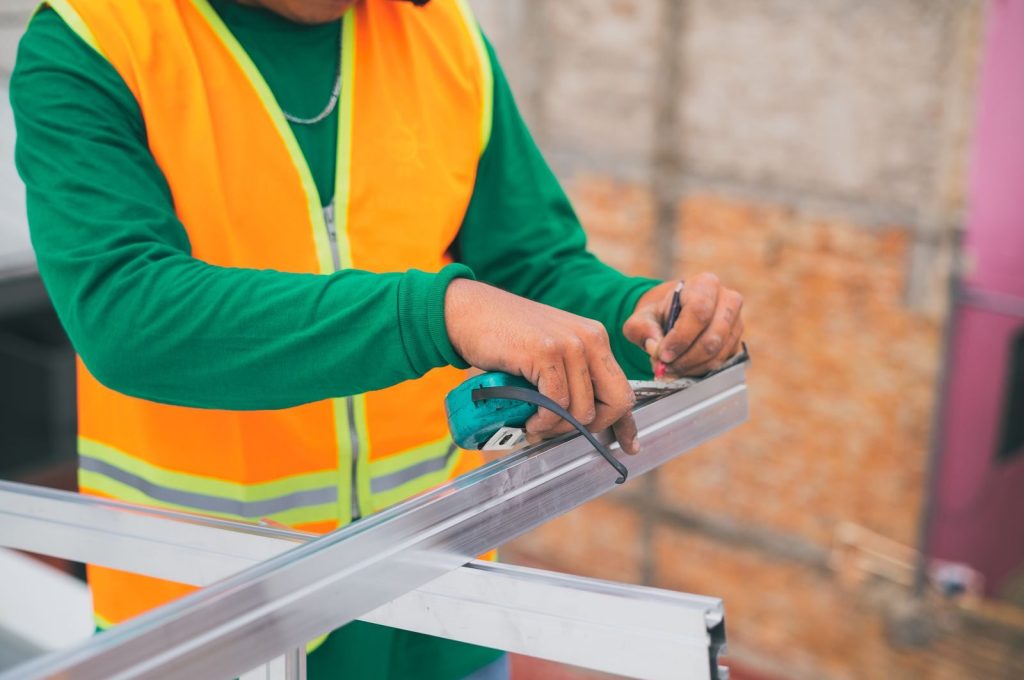
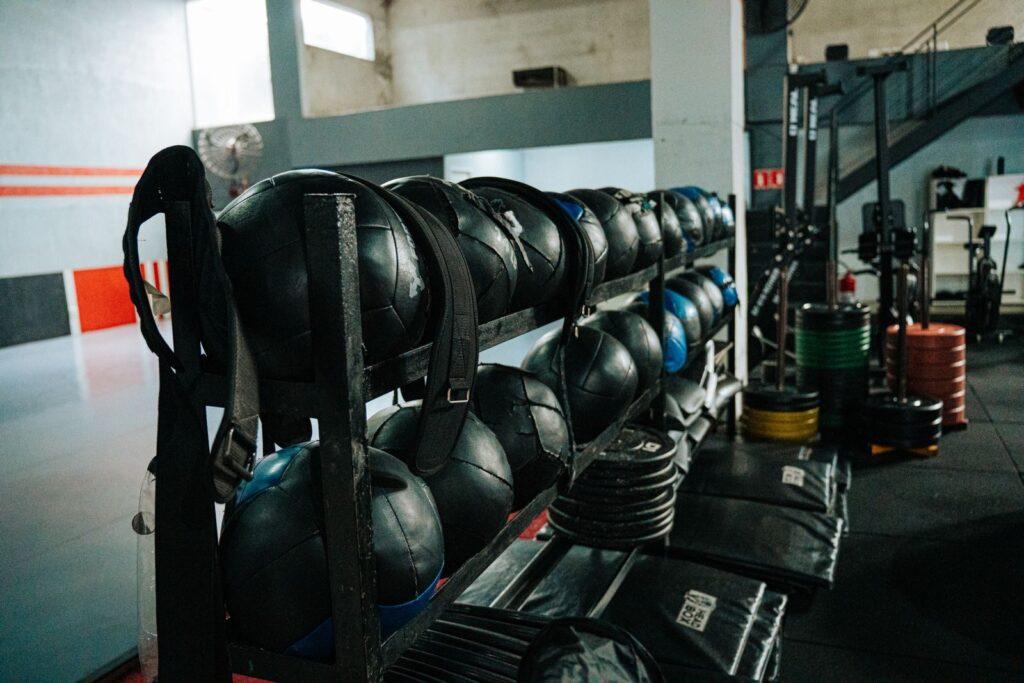

Successful installation begins with careful planning. Organizations should evaluate installation requirements, site conditions, equipment specifications, and long-term maintenance needs before beginning any project.
Proper installation helps improve equipment performance, extend service life, reduce maintenance issues, and create safer athletic environments.
A sports equipment installation guide provides step-by-step instructions for preparing, assembling, installing, inspecting, and maintaining athletic equipment. It helps organizations complete installations safely, efficiently, and in accordance with manufacturer recommendations.
Installation guides help ensure equipment is installed correctly, reducing safety risks, minimizing installation errors, supporting equipment performance, and extending product lifespan.
Before installation, organizations should:
Most commercial sports equipment installations require some level of site preparation. Depending on the equipment, this may include foundation work, concrete curing, surface leveling, anchor placement, electrical connections, or clearance verification.
Common installation tools include:
Required tools vary depending on the equipment type.
Installation measurements should be checked against manufacturer specifications, facility drawings, and applicable sports governing standards. Accurate measurements help ensure proper equipment placement and safe operation.
Installation time depends on equipment complexity, project size, site conditions, and preparation requirements. Smaller equipment may be installed within hours, while larger athletic facility projects may require several days or longer.
Common safety practices include:
Post-installation inspections typically verify:
Equipment should be tested after installation is completed and before being placed into regular use. Functional testing helps confirm proper operation and identify any adjustments that may be required.
Inspection frequency depends on equipment type, usage level, environmental conditions, and manufacturer recommendations. High-use equipment generally requires more frequent inspections than equipment used occasionally.
Some portable or modular equipment can be relocated, while permanently anchored equipment may require disassembly, new site preparation, and reinstallation. Relocation should follow manufacturer guidance.
Common mistakes include:
Correct installation reduces unnecessary stress on components, improves structural stability, minimizes maintenance issues, and helps equipment achieve its expected service life.
Common installation documents include:
After installation, organizations should establish routine inspections, cleaning procedures, hardware tightening schedules, lubrication (where applicable), and preventive maintenance plans to support long-term equipment performance.
Additional installation resources may include: