Maintenance Guides

Access maintenance guides for sports equipment, athletic facilities, fitness systems, and recreational infrastructure. Learn best practices for cleaning, lubrication, adjustments, repairs, inspections, and long-term equipment care.

Maintenance Guide Categories

Browse maintenance guides covering routine equipment care, preventive servicing, cleaning procedures, component adjustments, and long-term maintenance practices for athletic facilities.
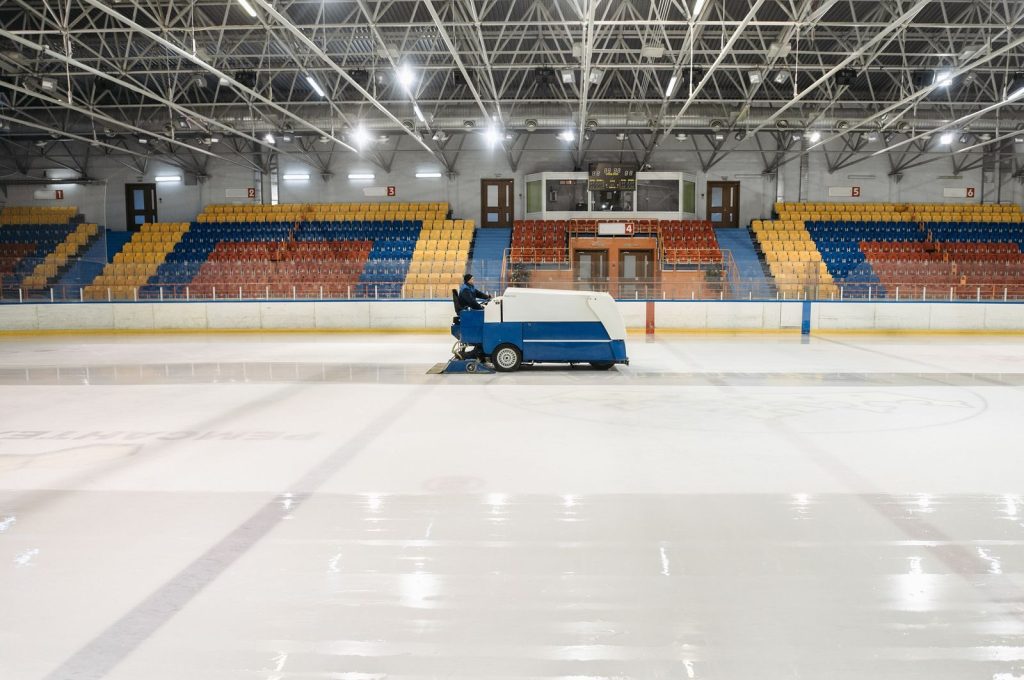
A Zamboni ice resurfacer operating in an empty indoor ice skating rink with colorful seating.
Cleaning & Care
Learn recommended cleaning procedures, surface care, corrosion prevention, and routine maintenance practices for different types of sports equipment.
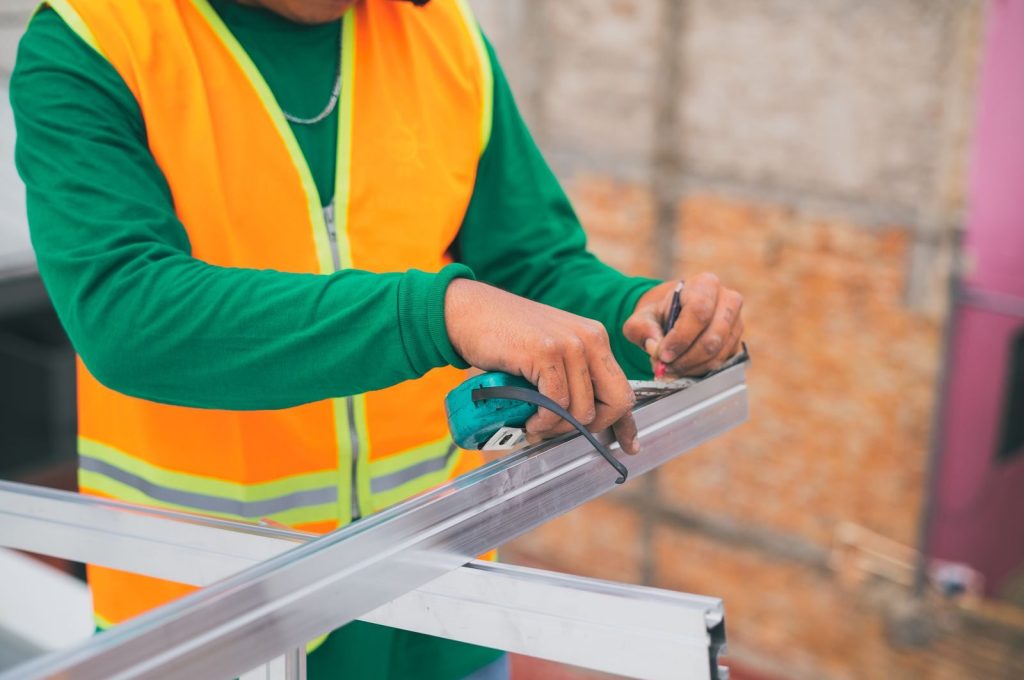
A construction worker measuring a metal frame while wearing a reflective vest, indicating attention to detail.
Preventive Maintenance
Understand preventive maintenance procedures including lubrication, inspections, adjustments, hardware tightening, and scheduled servicing.
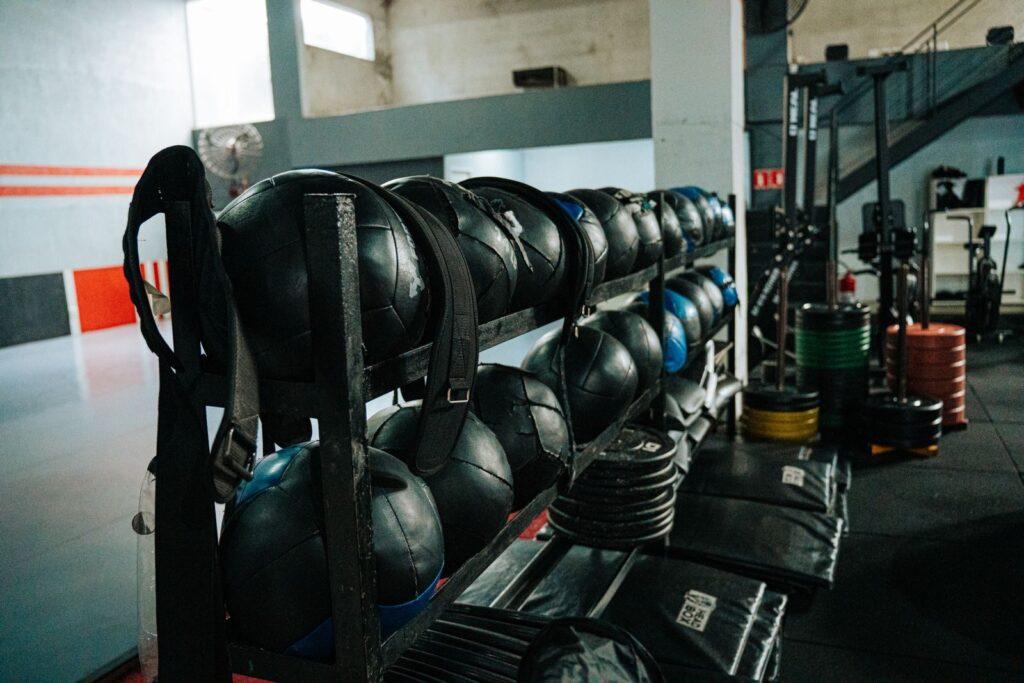
Well-equipped indoor gym featuring kettlebells, weights, and workout gear, perfect for fitness enthusiasts.
Repairs & Adjustments
Learn how to identify common maintenance issues, perform basic adjustments, replace worn components, and determine when professional repairs are needed.
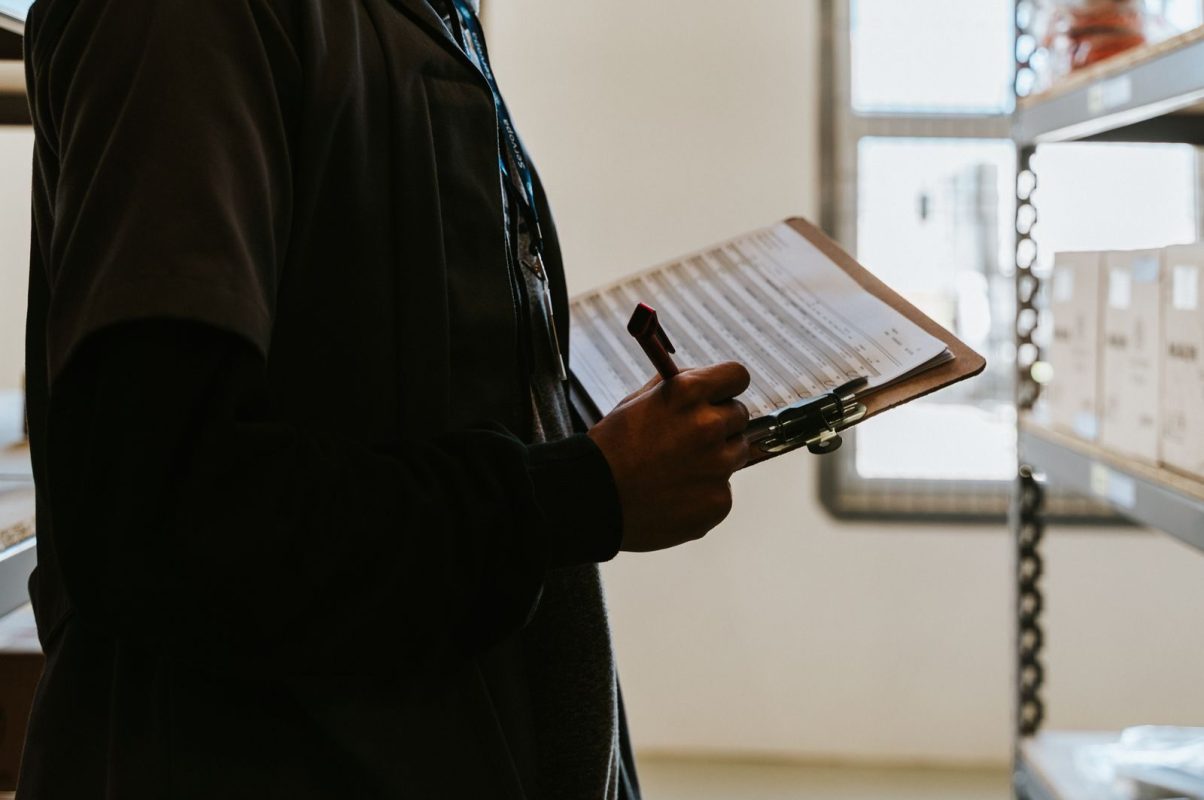
Industrial worker managing inventory in a warehouse with a clipboard and checklist.
Storage & Protection
Discover proper storage methods, seasonal maintenance practices, environmental protection, and transportation recommendations to extend equipment lifespan.

Maintenance Best Practices

Regular maintenance helps preserve equipment condition, improve safety, reduce unexpected failures, and extend service life. Following manufacturer recommendations and scheduled maintenance procedures supports reliable athletic facility operations.

  • Routine cleaning
  • Lubrication schedules
  • Component adjustments
  • Corrosion prevention
  • Hardware inspections
  • Repair planning
  • Seasonal maintenance
  • Equipment storage

Benefits of Routine Maintenance

Routine maintenance reduces equipment wear, improves operational reliability, lowers repair costs, and helps organizations maximize long-term equipment performance.

  • Extend equipment lifespan
  • Improve operational reliability
  • Reduce repair costs
  • Support equipment safety
  • Reduce equipment downtime
  • Improve facility appearance
  • Protect equipment investment
  • Support long-term asset management

Maintenance Resources

Access maintenance manuals, servicing guides, lubrication recommendations, repair documentation, equipment care instructions, and preventive maintenance resources.
F.A.Q.

A sports equipment maintenance guide provides recommended procedures for cleaning, servicing, inspecting, repairing, and protecting athletic equipment. It helps organizations maintain equipment performance, improve safety, and extend service life through routine maintenance practices.

Routine maintenance helps preserve equipment condition, improve operational reliability, reduce unexpected failures, support athlete safety, and maximize the long-term value of equipment investments.

Maintenance frequency depends on equipment type, usage intensity, environmental conditions, and manufacturer recommendations. High-use equipment generally requires more frequent maintenance than equipment used occasionally.

Cleaning procedures vary by equipment type, but commonly include:

  • Removing dirt and debris
  • Using manufacturer-approved cleaning products
  • Drying equipment thoroughly
  • Avoiding abrasive materials
  • Inspecting equipment during cleaning
  • Protecting finished surfaces

Regular cleaning helps maintain appearance and reduce premature wear.

Moving components should be lubricated using manufacturer-recommended lubricants at appropriate service intervals. Proper lubrication helps reduce friction, minimize wear, improve performance, and extend component lifespan.

Routine maintenance often includes:

  • Cleaning equipment
  • Tightening hardware
  • Lubricating moving parts
  • Inspecting structural components
  • Adjusting mechanisms
  • Checking protective padding
  • Replacing worn components
  • Testing equipment operation

Corrosion prevention may include regular cleaning, protective coatings, proper drainage, storing equipment in dry environments, removing moisture after use, and following manufacturer maintenance recommendations.

Signs of equipment wear may include:

  • Cracks
  • Corrosion
  • Loose hardware
  • Bent components
  • Frayed cables
  • Damaged padding
  • Excessive movement
  • Unusual noises

Routine inspections help identify these issues before they affect equipment performance.

Repairs may be appropriate when damage is minor and the equipment continues to meet safety and performance requirements. Replacement is often recommended when equipment has reached the end of its service life, cannot be repaired safely, or no longer performs as intended.

Replacement parts should be compatible with the equipment model and meet manufacturer specifications. Using approved components helps maintain equipment performance, safety, and warranty compliance.

Common maintenance tools include:

  • Torque wrenches
  • Screwdrivers
  • Socket sets
  • Lubrication equipment
  • Cleaning supplies
  • Measuring tools
  • Inspection flashlights
  • Manufacturer-approved replacement parts

Specific requirements vary by equipment type.

Organizations commonly record:

  • Maintenance date
  • Equipment identification
  • Service performed
  • Parts replaced
  • Inspector or technician
  • Maintenance findings
  • Recommended follow-up actions
  • Next scheduled service

Accurate documentation supports equipment management and long-term planning.

Off-season storage should protect equipment from moisture, excessive temperatures, UV exposure, and physical damage. Equipment should be cleaned, inspected, repaired if necessary, and stored according to manufacturer recommendations.

Organizations commonly extend equipment life by:

  • Performing routine cleaning
  • Following preventive maintenance schedules
  • Replacing worn components promptly
  • Protecting equipment from weather
  • Conducting regular inspections
  • Using equipment properly
  • Following manufacturer maintenance procedures

Maintenance guides promote consistent servicing practices that help identify potential hazards, reduce equipment failures, maintain structural integrity, and support safer athletic environments for participants and staff.

Organizations should follow manufacturer guidance related to:

  • Cleaning methods
  • Lubrication schedules
  • Inspection intervals
  • Replacement parts
  • Operating limitations
  • Installation requirements
  • Warranty conditions
  • Safety precautions

Following these recommendations helps maintain equipment performance and preserve warranty coverage.

Maintenance manuals are commonly available through equipment manufacturers, supplier documentation, maintenance resource libraries, technical manuals, and facility management programs.

An effective maintenance program typically includes:

  • Equipment inventory
  • Preventive maintenance schedules
  • Routine inspections
  • Maintenance documentation
  • Staff responsibilities
  • Service procedures
  • Repair planning
  • Performance reviews

A structured program helps improve equipment reliability, reduce maintenance costs, and support long-term facility operations.

Related Articles

Hello world!

Welcome to WordPress. This is your first post. Edit or delete it, then start writing!...