China Manufacturing

Understand sports equipment manufacturing in China, including OEM, ODM, factory selection, quality management, compliance requirements, and global sourcing for institutional buyers.

China Manufacturing Services

China supports OEM, ODM, private label, product development, packaging, quality assurance, and export services for sports equipment manufacturers and institutional buyers.
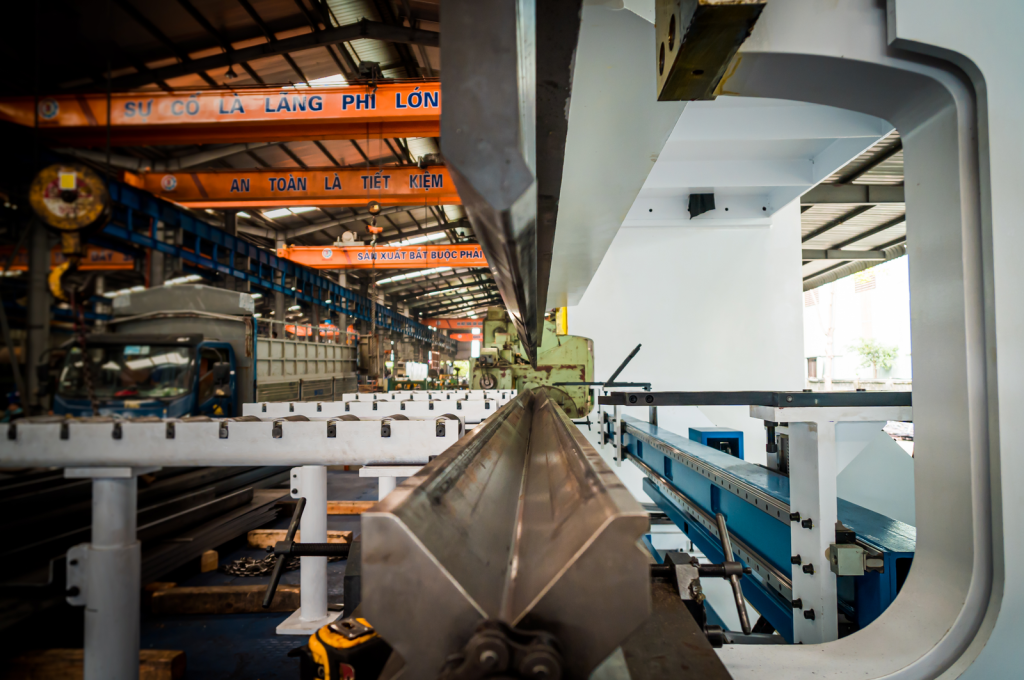
Interior view of an industrial building featuring machinery and metal conveyor systems.
OEM Manufacturing
Custom manufacturing based on buyer specifications, drawings, and branding requirements.
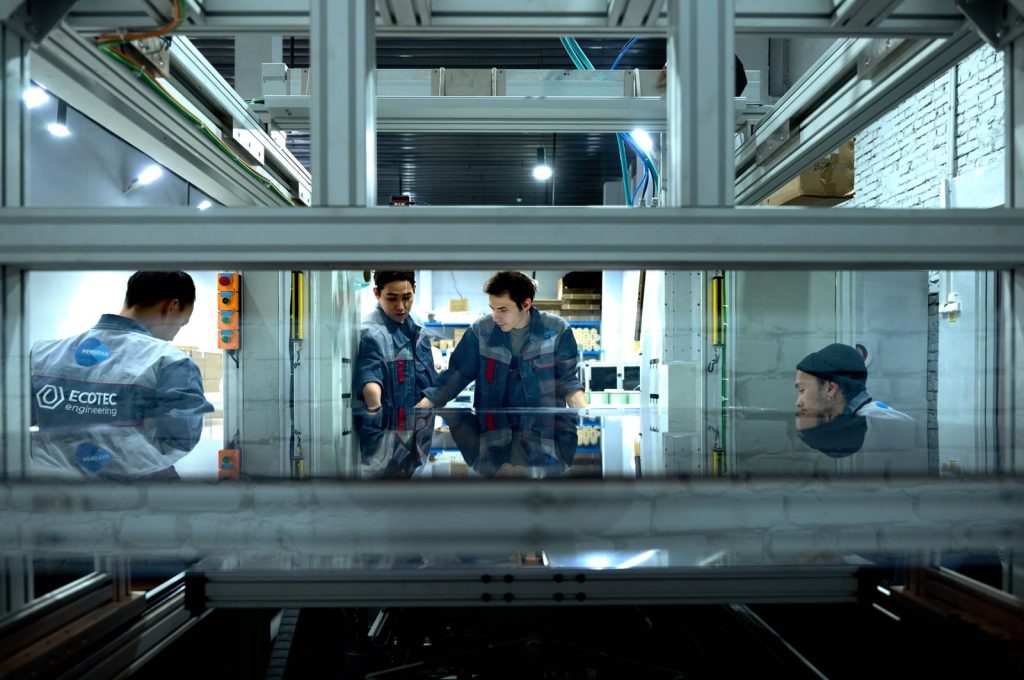
Engineers collaborate over advanced machinery in a high-tech indoor workspace.
ODM Manufacturing
Ready-made product designs with customization options for branding and packaging.
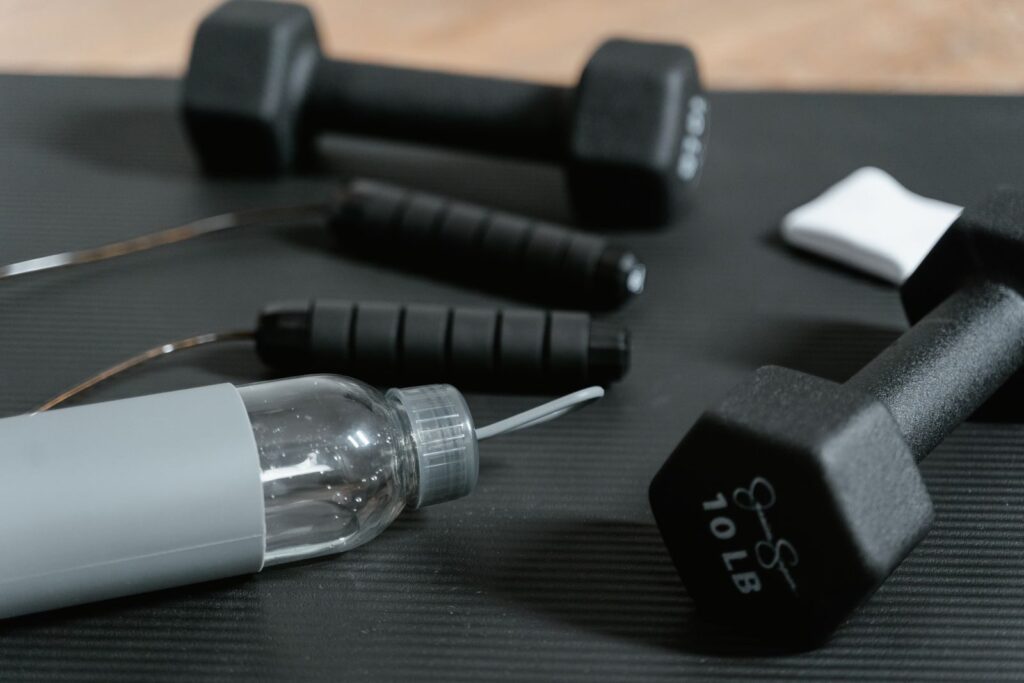
Close-up of gym essentials: dumbbells, jump rope, and water bottle on a mat.
Private Label
Launch sports products under your own brand using existing manufacturing capabilities.
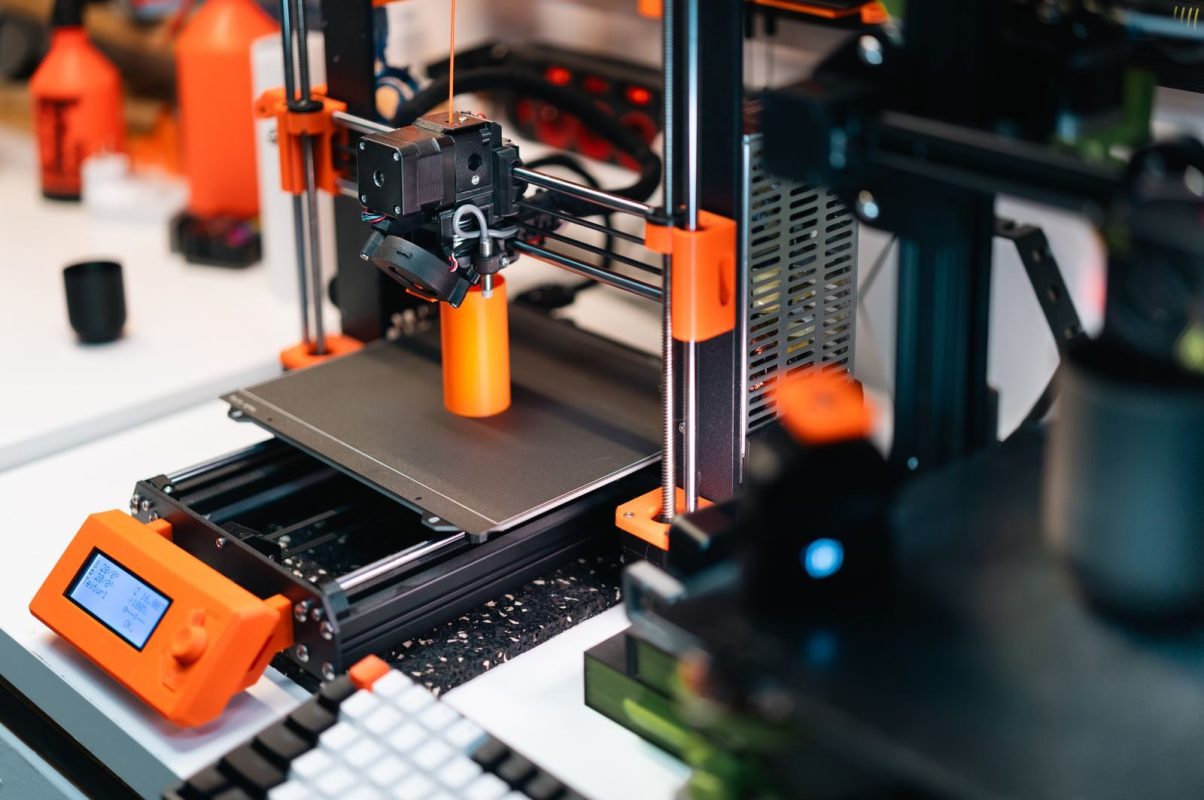
3D printer operating in a workshop, creating a prototype with orange accents.
Product Development
Support product design, prototyping, testing, and production readiness.

Manufacturing Capabilities

China provides comprehensive manufacturing solutions for sports equipment buyers, including OEM, ODM, private label production, packaging, quality management, and export services.
  • OEM manufacturing based on customer specifications
  • ODM product development using existing designs
  • Private label production for branded products
  • Prototype development and sample production
  • Custom colors, logos, and product customization
  • Retail, export, and bulk packaging solutions
  • Material sourcing and component integration
  • Large-scale production for commercial orders

Why Organizations Source from China

China’s manufacturing ecosystem supports organizations with experienced suppliers, scalable production capacity, established logistics, and international quality standards.
  • Extensive manufacturing experience
  • Wide supplier network across product categories
  • Flexible production volumes
  • Competitive manufacturing costs
  • Established export infrastructure
  • Global shipping experience
  • Scalable production capacity
  • Support for international quality standards

Factory Selection Considerations

Selecting a manufacturing partner involves evaluating production capability, quality management systems, certifications, communication processes, delivery performance, and long-term business stability. A structured supplier evaluation process helps reduce procurement risks and improve supply chain performance.

  • Review manufacturing experience and specialization
  • Verify factory certifications and compliance records
  • Evaluate production capacity and lead times
  • Assess quality management procedures
  • Understand prototype and sampling processes
  • Review packaging and shipping capabilities
  • Confirm communication and project management practices
  • Establish long-term supplier performance metrics

F.A.Q.

China manufacturing refers to the production of goods by manufacturers located in China, supporting OEM, ODM, private label, and contract manufacturing for domestic and international markets. The country offers extensive production capabilities across a wide range of sports equipment categories.

OEM manufacturing produces products according to a buyer’s specifications and designs, while ODM manufacturing provides existing product designs that buyers can customize with branding, packaging, or minor modifications.

Manufacturers produce a broad range of sports equipment, including fitness equipment, team sports products, court systems, training accessories, protective gear, outdoor recreation equipment, and facility infrastructure components.

Buyers should review manufacturing experience, certifications, production capacity, quality management systems, communication processes, pricing, lead times, and previous export experience before selecting a supplier.

Depending on the product category and target market, manufacturers may maintain certifications such as ISO 9001, BSCI, Sedex, CE, ASTM, CPSIA, EN standards, or other applicable quality and compliance programs.

Quality management typically includes incoming material inspections, in-process quality control, final product inspections, testing procedures, corrective actions, and continuous improvement programs throughout production.

Lead times are influenced by product complexity, production schedules, raw material availability, order quantities, tooling requirements, customization needs, quality inspections, and international shipping arrangements.

Supplier evaluation helps organizations identify manufacturers that consistently meet quality expectations, delivery schedules, compliance requirements, communication standards, and long-term supply chain objectives while reducing procurement risk.

Related Articles

Hello world!

Welcome to WordPress. This is your first post. Edit or delete it, then start writing!...