

Import & Export

Review import and export processes for sports equipment, including customs documentation, international shipping, trade compliance, logistics coordination, and cross-border transportation requirements.

Import & Export Services

Import and export services support the international movement of sports equipment by coordinating customs documentation, freight transportation, regulatory compliance, and cross-border logistics.
Business meeting with adults discussing and signing contracts over a table.
Customs Documentation
Prepare commercial invoices, packing lists, certificates of origin, bills of lading, and customs declarations.
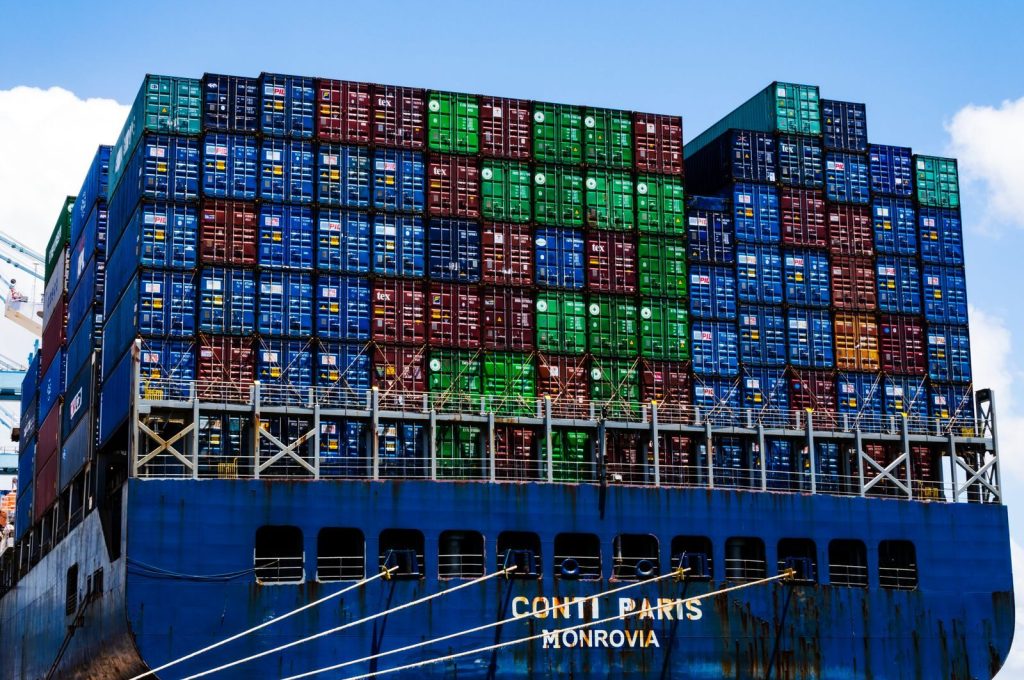
Stacked cargo containers on a massive ship at the harbor, symbolizing global trade.
International Shipping
Coordinate ocean freight, air freight, multimodal transportation, shipping schedules, and cargo tracking.
Industrial worker managing inventory in a warehouse with a clipboard and checklist.
Trade Compliance
Review import regulations, export controls, tariffs, product classifications, and destination country requirements.
A row of freight trailers parked at a commercial loading dock, emphasizing transportation and logistics.
Logistics Coordination
Manage customs clearance, warehousing, inland transportation, freight forwarding, and final delivery.

Import & Export Capabilities

Import and export operations require coordinated customs procedures, transportation planning, documentation management, and regulatory compliance. Effective trade management helps organizations move products efficiently across international markets while reducing delays and operational risks.

  • Import and export documentation
  • Customs clearance coordination
  • Ocean and air freight planning
  • International shipping management
  • Trade compliance support
  • Tariff and duty management
  • Cargo tracking and visibility
  • Global logistics coordination

Benefits of Import & Export Management

Well-managed import and export operations improve shipment visibility, reduce customs delays, strengthen regulatory compliance, optimize transportation costs, and support reliable international supply chains.

  • Improve shipping efficiency
  • Reduce customs delays
  • Strengthen regulatory compliance
  • Improve delivery reliability
  • Optimize transportation costs
  • Enhance shipment visibility
  • Reduce international trade risks
  • Support global business expansion

Import & Export Considerations

Organizations should establish standardized trade procedures covering documentation, shipping methods, customs compliance, Incoterms, insurance, freight planning, and destination country requirements before international shipments begin.

  • Confirm applicable import regulations
  • Prepare complete shipping documentation
  • Select appropriate transportation methods
  • Understand Incoterms responsibilities
  • Review tariffs and customs duties
  • Coordinate customs brokerage services
  • Track international shipments
  • Develop contingency plans for logistics disruptions

F.A.Q.

Import and export management involves coordinating documentation, customs procedures, transportation, regulatory compliance, and logistics for international shipments.

Common documents include commercial invoices, packing lists, bills of lading, certificates of origin, customs declarations, export licenses (when required), and shipping instructions.

Customs clearance is the process of submitting required documentation and meeting regulatory requirements before imported or exported goods are released by customs authorities.

Incoterms are internationally recognized trade terms that define the responsibilities of buyers and sellers for transportation, insurance, customs, and delivery during international trade.

Shipping costs depend on transportation mode, cargo volume, destination, fuel costs, customs duties, insurance, handling fees, and seasonal demand.

Organizations can reduce risks by maintaining accurate documentation, working with qualified logistics partners, monitoring regulatory changes, using cargo insurance, and planning contingency strategies.

Trade compliance helps organizations meet customs regulations, avoid shipment delays, reduce penalties, and maintain smooth international operations.

Efficient trade operations improve delivery reliability, reduce logistics costs, support global market expansion, and strengthen long-term supply chain performance.

Related Articles

Hello world!

Welcome to WordPress. This is your first post. Edit or delete it, then start writing!...