Equipment Safety

Ensure sports equipment meets safety requirements through proper selection, installation, inspection, maintenance, and replacement practices. Safe equipment helps reduce injuries, improve compliance, and extend product lifespan.

Equipment Safety Overview

Equipment safety involves selecting appropriate products, ensuring proper installation, performing routine inspections, and maintaining equipment throughout its lifecycle. A comprehensive safety program helps reduce risks while supporting safe participation across schools, sports facilities, recreation centers, and athletic organizations.
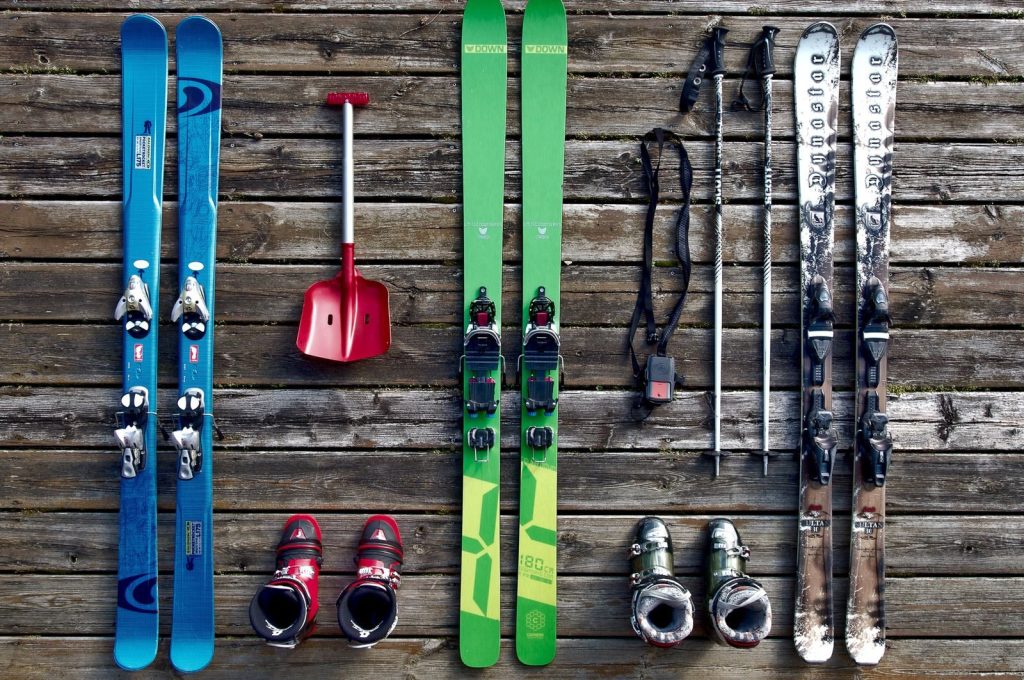
Collection of ski gear on a wooden deck, showcasing vibrant colors and vintage style.
Safe Equipment Selection
Choose equipment that meets recognized safety standards and matches the intended sport, user age, and level of play.
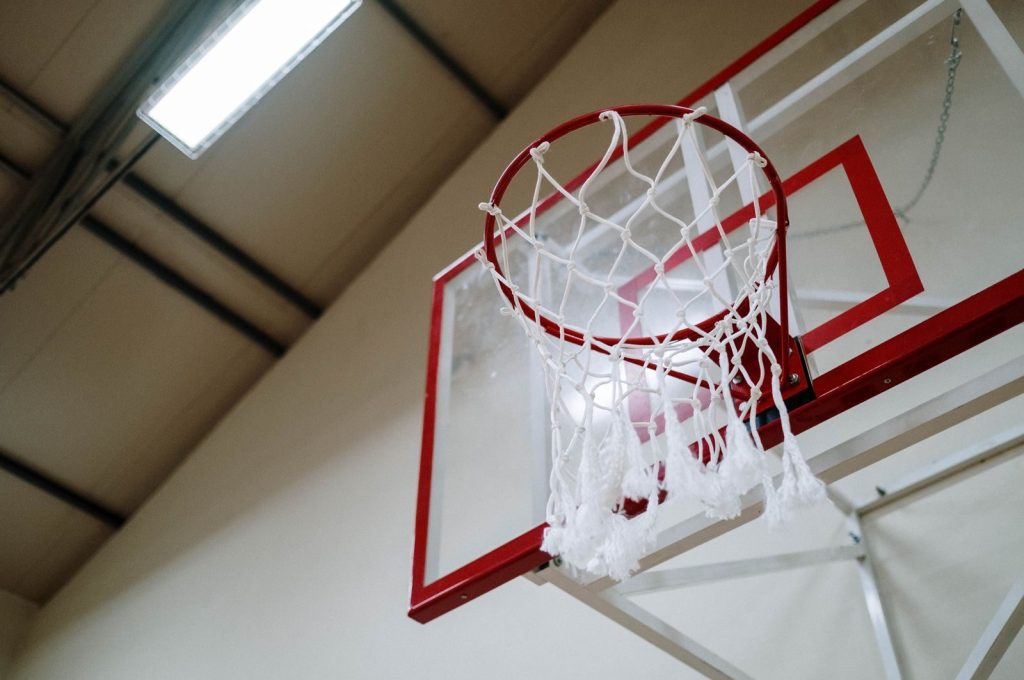
A basketball hoop captured from below in an indoor gym. Perfect for sports themes.
Proper Installation
Install sports equipment according to manufacturer specifications and facility requirements to ensure safe operation.
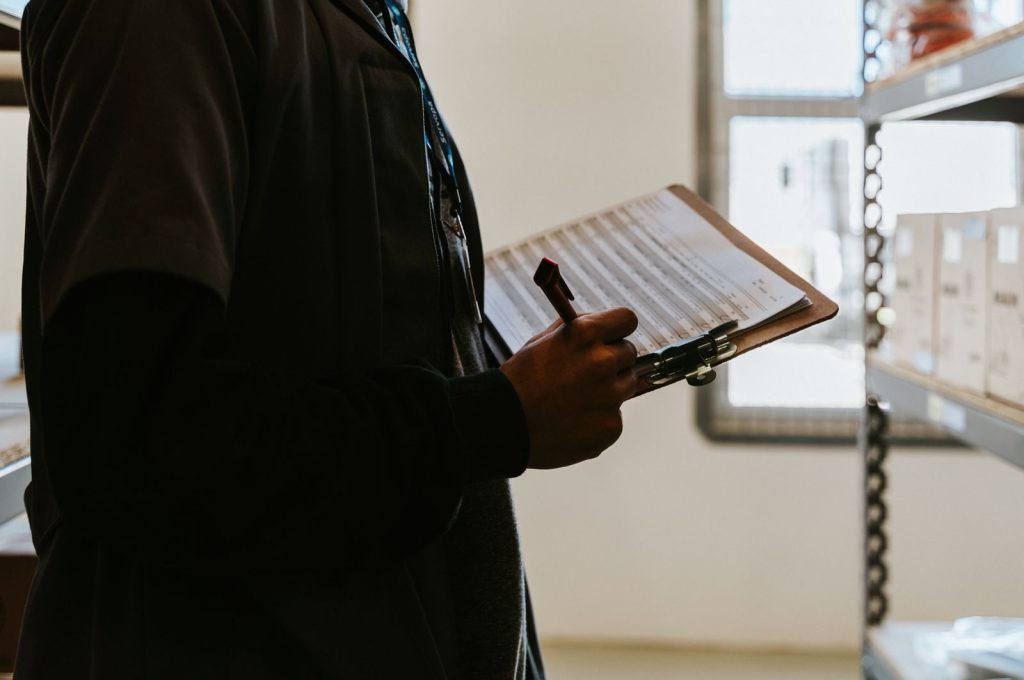
Industrial worker managing inventory in a warehouse with a clipboard and checklist.
Routine Inspection
Inspect equipment regularly to identify wear, loose components, corrosion, structural damage, or other potential hazards.
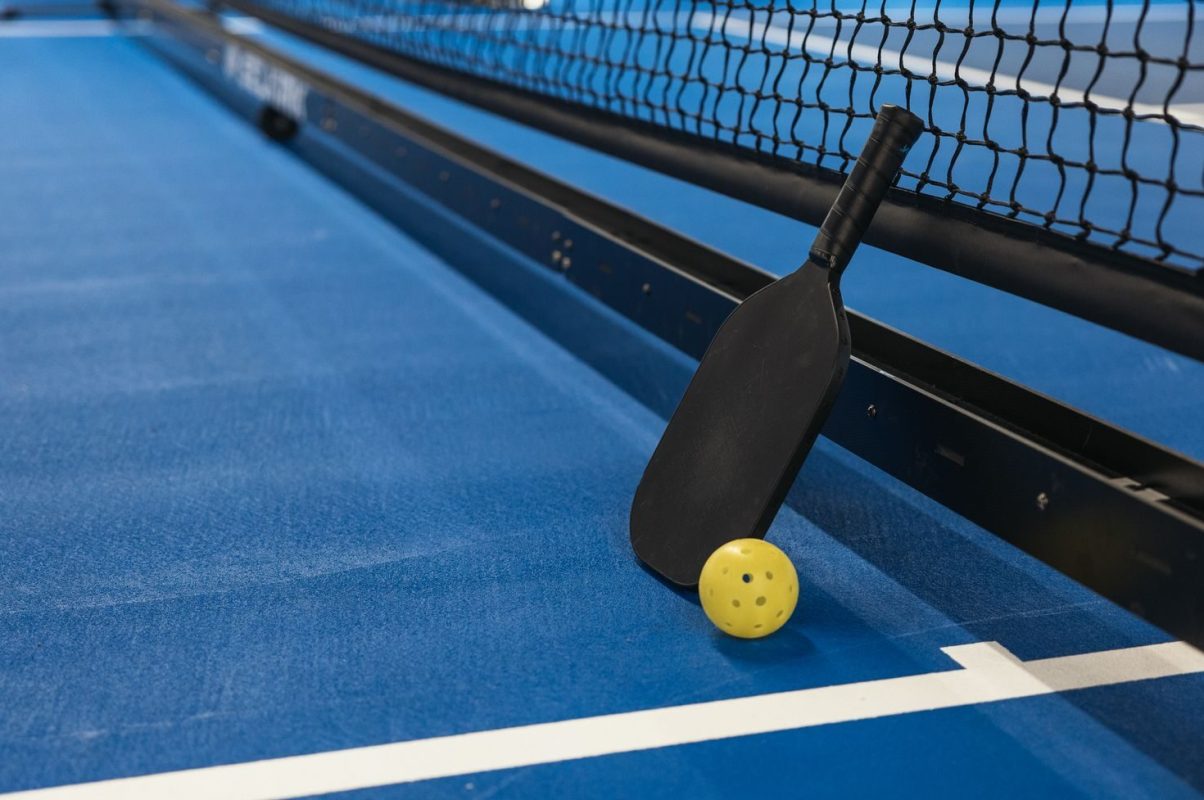
Pickleball paddle resting against net with yellow ball on blue court
Preventive Maintenance
Maintain equipment through scheduled servicing, repairs, cleaning, lubrication, and replacement of worn components.

Equipment Safety Components

An effective equipment safety program combines proper product selection, installation, inspection, maintenance, documentation, and compliance with recognized safety standards throughout the equipment lifecycle.

  • Equipment selection requirements
  • Safety certifications and standards
  • Installation procedures
  • Protective padding and barriers
  • Routine inspection schedules
  • Preventive maintenance programs
  • Repair documentation
  • Equipment replacement planning
  • Safety signage and labeling
  • Equipment usage guidelines

Equipment Safety Considerations

Equipment safety planning should consider facility conditions, equipment usage, participant age, applicable standards, environmental factors, and long-term maintenance requirements before purchasing or installing new equipment.

  • Indoor or outdoor installation
  • Sport-specific equipment requirements
  • User age and skill level
  • Equipment capacity and intended use
  • Compliance with safety regulations
  • Inspection frequency
  • Maintenance resources
  • Equipment lifecycle planning
  • Replacement budgeting
  • Accessibility requirements

Equipment Safety Best Practices

Maintaining equipment safety requires continuous monitoring throughout the equipment lifecycle. Facilities should establish inspection schedules, document maintenance activities, and address potential hazards before equipment is placed into service.

  • Inspect equipment before scheduled use
  • Follow manufacturer maintenance recommendations
  • Repair or replace damaged components promptly
  • Maintain equipment inspection records
  • Verify anchoring and stability systems
  • Use approved replacement parts
  • Train staff on inspection procedures
  • Review maintenance schedules regularly
  • Monitor equipment performance over time
  • Update safety procedures when needed

F.A.Q.

Learn how equipment safety reduces operational risks by ensuring sports equipment is properly selected, installed, maintained, and inspected.

Proper equipment safety helps prevent injuries, improves compliance, extends equipment lifespan, and supports safe participation.

Inspection frequency depends on equipment type, usage, manufacturer recommendations, and applicable safety standards.

Goals, bleachers, fitness equipment, playground equipment, scoreboards, padding, and other frequently used equipment should all be inspected regularly.

Equipment should be replaced when structural damage, excessive wear, or safety risks cannot be corrected through maintenance or repair.

Facility managers, maintenance teams, athletic directors, coaches, and equipment supervisors all play important roles in maintaining equipment safety.

Requirements vary by equipment type and may include ASTM, NFHS, NCAA, FIFA, FIBA, or other applicable industry standards.

Routine inspections, preventive maintenance, staff training, documentation, and timely equipment replacement all contribute to safer facilities.

Related Articles

Hello world!

Welcome to WordPress. This is your first post. Edit or delete it, then start writing!...