
Football Equipment

Comprehensive football equipment guide for schools, universities, recreation programs, sports clubs, and athletic facilities. Compare equipment categories, purchasing considerations, safety requirements, maintenance practices, facility planning, and equipment standards.

Football Equipment Overview

Football equipment includes footballs, helmets, shoulder pads, protective gear, training equipment, field accessories, coaching tools, and storage solutions. Choosing the right equipment depends on player age, competition level, safety requirements, durability, and long-term facility needs.
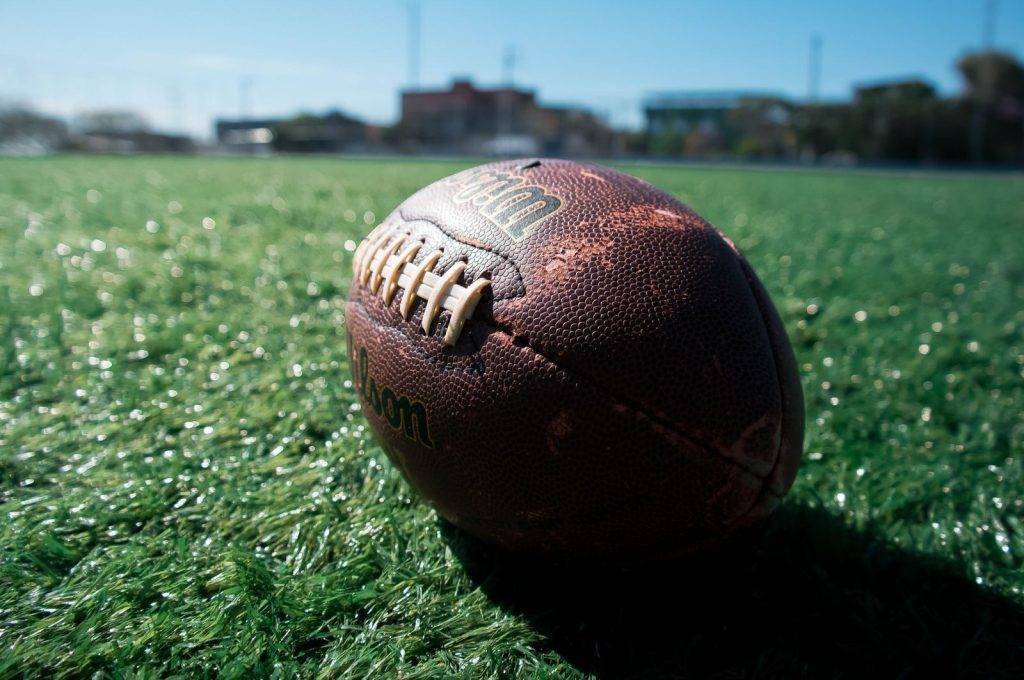
A classic football rests on green grass under blue skies, symbolizing outdoor sports.
Footballs
Compare youth, intermediate, and official game footballs designed for training, practice, and competitive play.
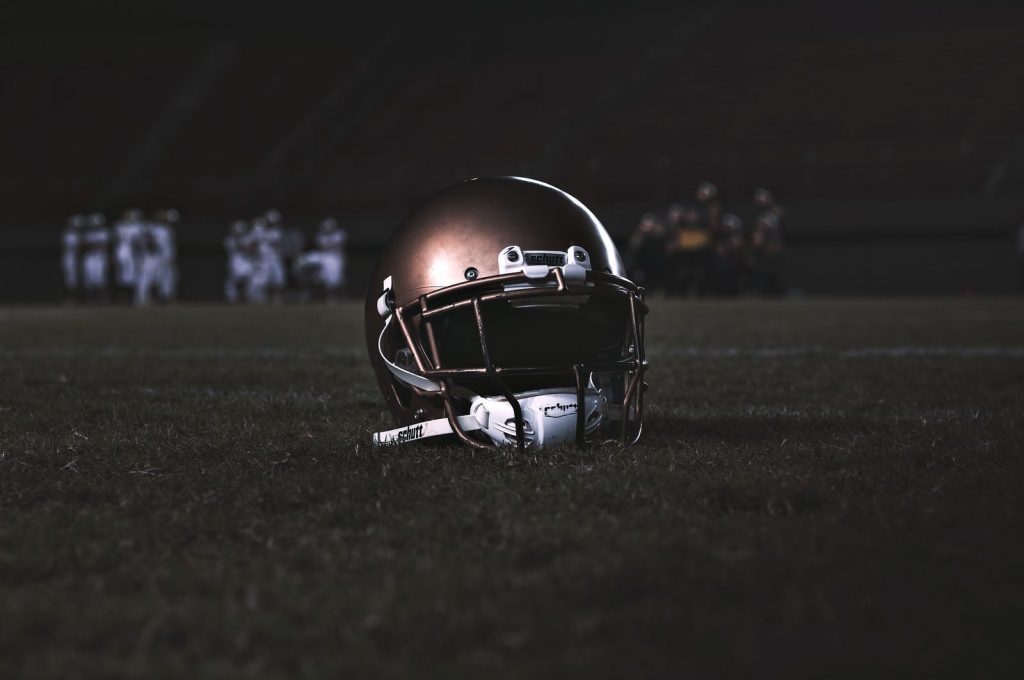
A football helmet placed on a grassy field during a nighttime game, capturing the spirit of sports.
Helmets
Select football helmets that provide certified protection, proper fit, comfort, and impact management.
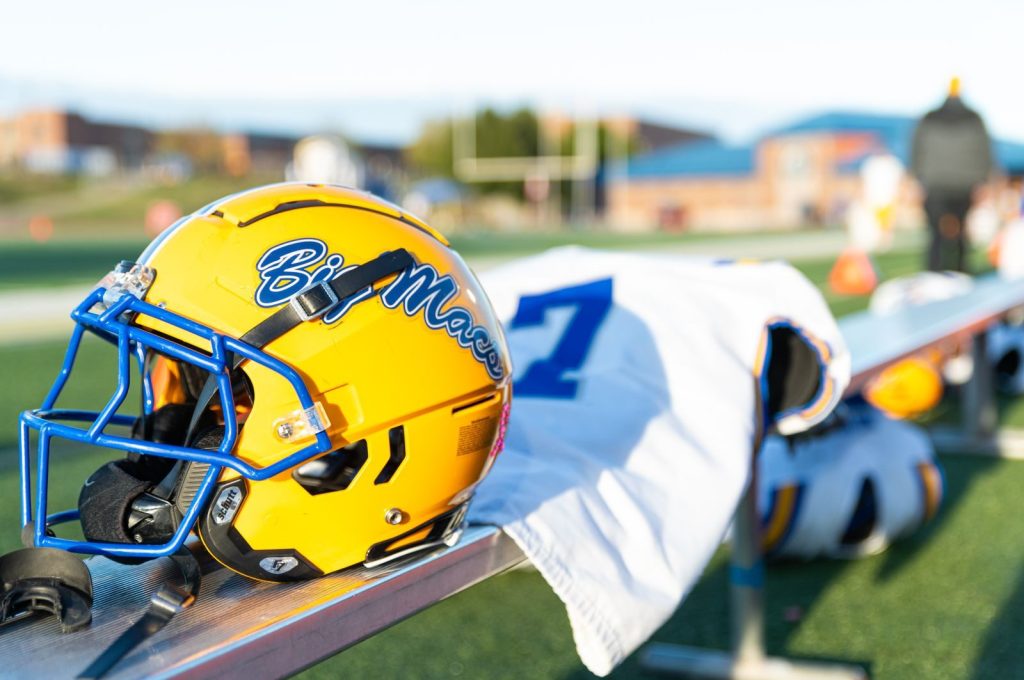
A yellow football helmet with blue highlights rests on a sports bench, ready for the game.
Protective Equipment
Choose shoulder pads, gloves, mouthguards, padded apparel, and other protective gear to improve player safety.
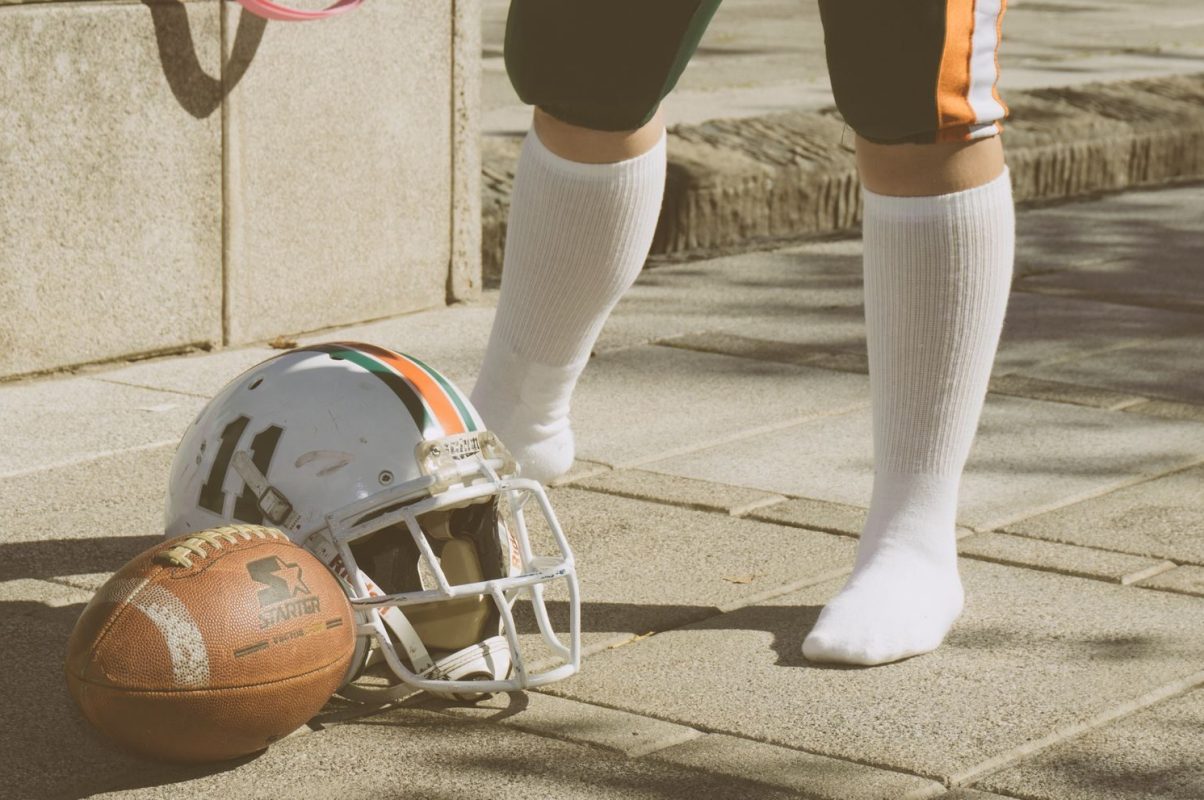
American football gear including helmet and ball on a city pavement, with player in background.
Training Equipment
Support tackling, blocking, passing, agility, speed, and conditioning using football-specific training equipment.

Equipment Categories

Football programs require a complete range of player equipment, protective gear, practice equipment, coaching accessories, field equipment, and storage systems. Selecting compatible equipment helps improve player safety, training efficiency, and long-term equipment management.

  • Footballs
  • Helmets
  • Shoulder Pads
  • Protective Gear
  • Training Equipment
  • Tackling Dummies
  • Field Equipment
  • Storage Systems
  • Coaching Equipment
  • Practice Accessories

Equipment Selection Considerations

Football equipment should be selected according to player age, competition level, league requirements, safety standards, durability, maintenance requirements, and available budget.

  • Player Age
  • Competition Level
  • League Requirements
  • Safety Certification
  • Equipment Durability
  • Maintenance Requirements
  • Budget Planning
  • Warranty Coverage
  • League Requirements
  • Replacement Planning

Football Equipment Best Practices

Selecting quality football equipment improves player safety, training effectiveness, and long-term equipment performance. Regular inspections, preventive maintenance, and planned replacement schedules help reduce equipment failures and extend product lifespan.
  • Select certified football equipment
  • Inspect helmets before each season
  • Check shoulder pads regularly
  • Replace damaged footballs promptly
  • Maintain tackling equipment
  • Store equipment in clean, dry areas
  • Purchase from trusted suppliers
  • Plan annual replacement schedules
  • Compare lifecycle costs
  • Maintain equipment inventory records

F.A.Q.

Football programs typically require footballs, helmets, shoulder pads, protective equipment, training equipment, and field accessories. Equipment requirements vary by player age and competition level.

Choose a helmet that fits properly, meets applicable safety standards, and is appropriate for the player’s age and level of play.

Protective equipment commonly includes helmets, shoulder pads, gloves, mouthguards, padded apparel, and other safety gear required by league rules.

Schools and recreation programs often purchase footballs, protective equipment, practice gear, tackling equipment, storage systems, and coaching accessories.

Football equipment should be inspected before each season and regularly throughout the playing season. High-use protective equipment should also be checked before practices and games.

Clean equipment after use, inspect protective gear regularly, replace damaged components promptly, and store equipment in dry, ventilated areas.

Consider player age, safety certifications, durability, maintenance requirements, warranty coverage, supplier support, and long-term replacement costs.

Football equipment should comply with applicable ASTM standards, league requirements, manufacturer specifications, and organizational safety policies for the intended level of play.

Related Articles

Hello world!

Welcome to WordPress. This is your first post. Edit or delete it, then start writing!...