Best Products by Use Case

Compare sports equipment based on facility type, player level, budget, and intended use. Find recommended products for schools, universities, recreation centers, sports clubs, parks, fitness facilities, and competitive venues to support smarter purchasing decisions.

Popular Use Cases

Select sports equipment based on where and how it will be used. Different facilities require different performance levels, durability, safety features, and maintenance considerations.

Captivating indoor basketball scene with players actively engaged in a game.
Basketball Equipment
Goals, backboards, rims, scoreboards, and court accessories for practice and competition.
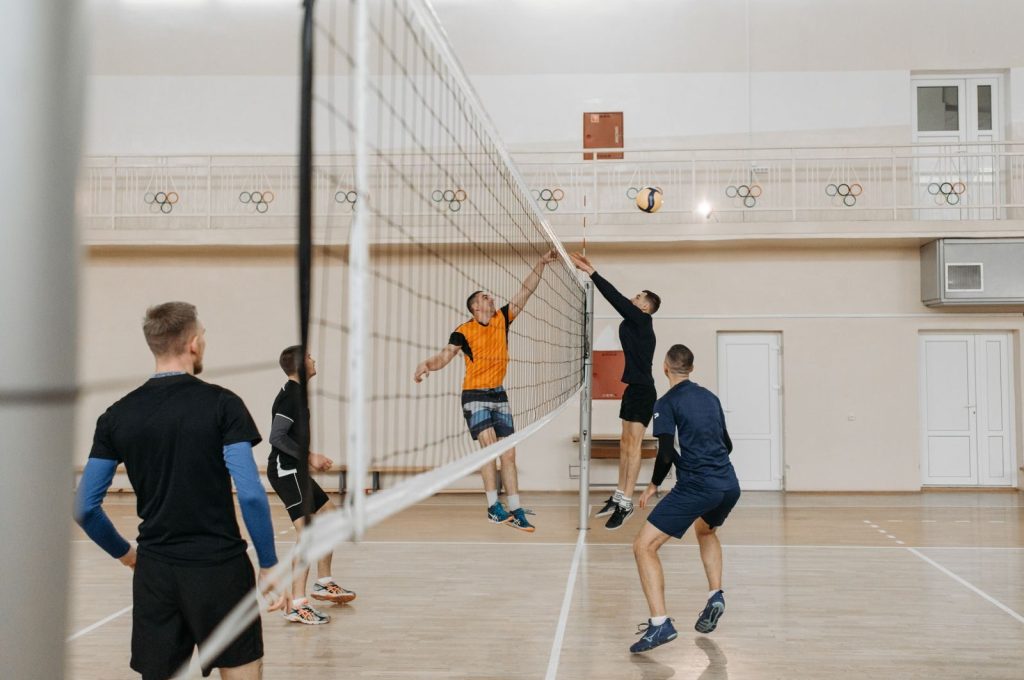
Exciting indoor volleyball match with athletes jumping to block and spike.
Volleyball Equipment
Net systems, referee stands, antennas, boundary lines, and training equipment.
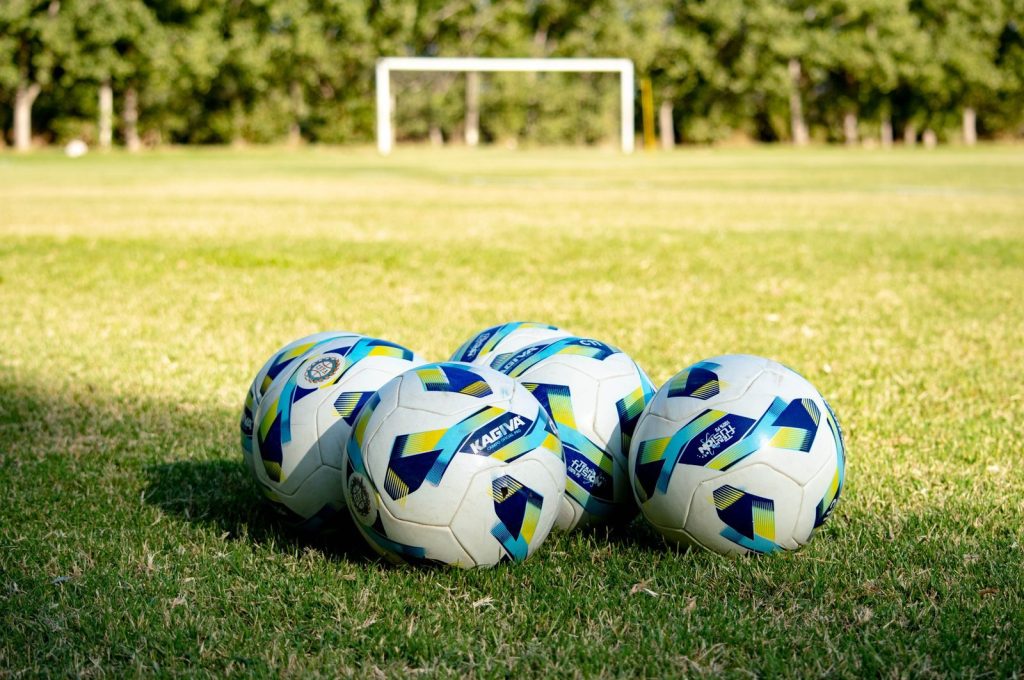
Five soccer balls rest on a green field, ready for a game in Mendoza, Argentina.
Soccer Equipment
Goals, benches, shelters, training equipment, and field accessories.
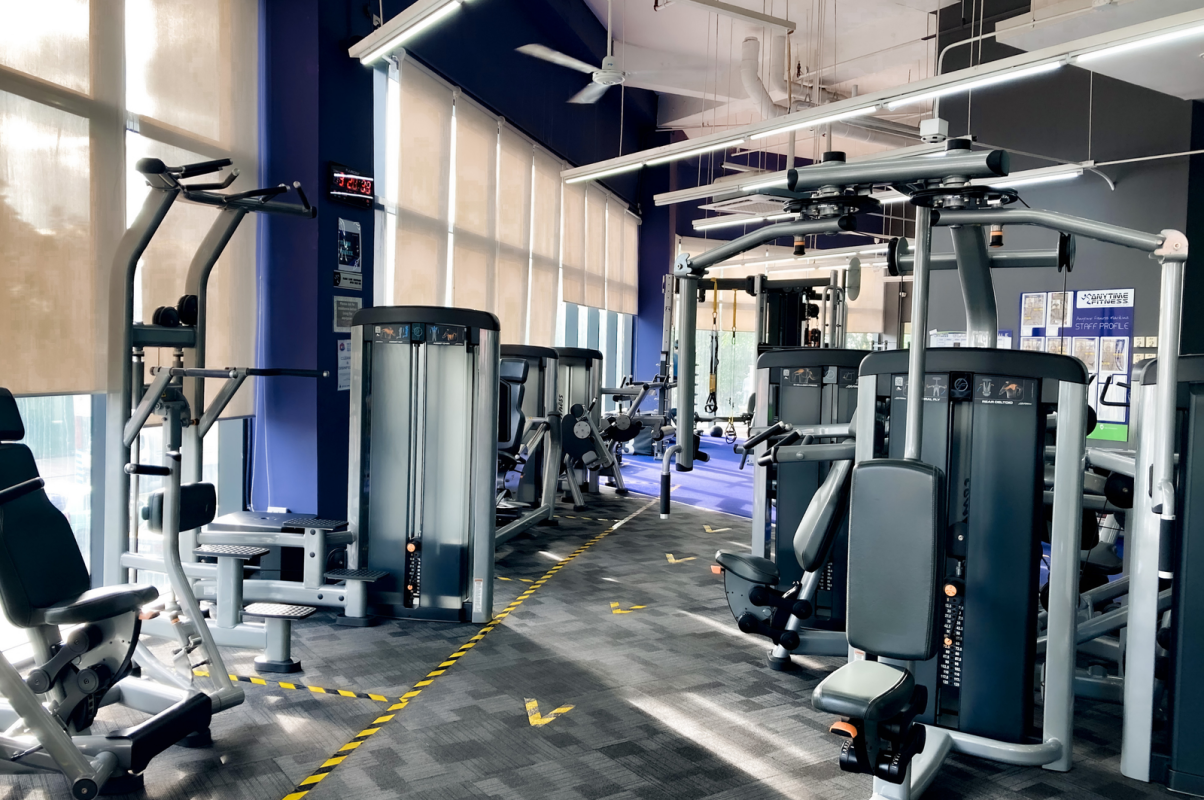
A bright, spacious gym with various exercise machines creating a motivating fitness atmosphere.
Fitness Equipment
Strength equipment, cardio machines, functional training, and rehabilitation products.

Equipment Selection Considerations

Evaluate equipment based on operational needs, safety requirements, facility usage, maintenance expectations, and long-term value before making purchasing decisions.

  • Facility Type
  • Player Age & Skill Level
  • Indoor or Outdoor Use
  • Usage Frequency
  • Safety Standards
  • Maintenance Requirements
  • Budget Planning
  • Equipment Lifespan

Recommended Products by Use Case

Different facilities have different equipment priorities. Selecting products based on actual use cases helps improve safety, maximize budgets, and reduce long-term maintenance costs.

  • K–12 Schools — Durable, adjustable, easy-to-maintain equipment
  • Universities — Competition-grade systems and certified products
  • Community Centers — Multi-purpose and high-usage equipment
  • Sports Clubs — Performance-focused training equipment
  • Parks — Weather-resistant outdoor systems
  • Fitness Facilities — Commercial-grade exercise equipment

Best Practices

Successful equipment selection involves matching products to facility requirements, verifying compliance standards, planning for maintenance, and considering long-term operational costs.

  • Define facility objectives before purchasing
  • Match equipment to player level
  • Review applicable safety standards
  • Compare durability and warranty coverage
  • Evaluate maintenance requirements
  • Plan for future equipment expansion
  • Consider replacement part availability
  • Calculate total cost of ownership

F.A.Q.

Schools typically benefit from durable, adjustable, and easy-to-maintain equipment designed for multiple age groups and frequent daily use.

Consider facility size, intended activities, participant age, safety requirements, available storage, and expected usage frequency.

Recreation centers generally require versatile, durable equipment suitable for a wide range of users and sports activities.

Commercial-grade equipment is recommended for facilities with heavy daily use because it offers greater durability and longer service life.

Safety certifications help ensure equipment complies with recognized industry standards and supports safer operation.

Material quality, installation, usage frequency, maintenance, and environmental conditions all influence product lifespan.

Compare specifications, materials, durability, maintenance requirements, warranty coverage, and total ownership costs.

Evaluate facility needs, budget, compliance requirements, maintenance expectations, available space, and long-term operational goals.

Related Articles

Hello world!

Welcome to WordPress. This is your first post. Edit or delete it, then start writing!...