
Budget vs Premium Sports Equipment

Compare budget and premium sports equipment based on performance, durability, safety, maintenance, warranty, and long-term value. Find the right balance between upfront cost and lifetime ownership for schools, universities, recreation centers, and commercial sports facilities.

Budget vs Premium Categories

Different facilities have different budget requirements. Compare entry-level and premium equipment across major sports categories to determine which option best fits your operational needs.

Captivating indoor basketball scene with players actively engaged in a game.
Budget Basketball Equipment
Entry-level basketball goals, portable systems, and practice equipment for schools and community facilities.
Two basketballs resting on a blue indoor basketball court with wooden flooring.
Premium Basketball Equipment
Competition-grade basketball systems with professional backboards, breakaway rims, and enhanced durability.
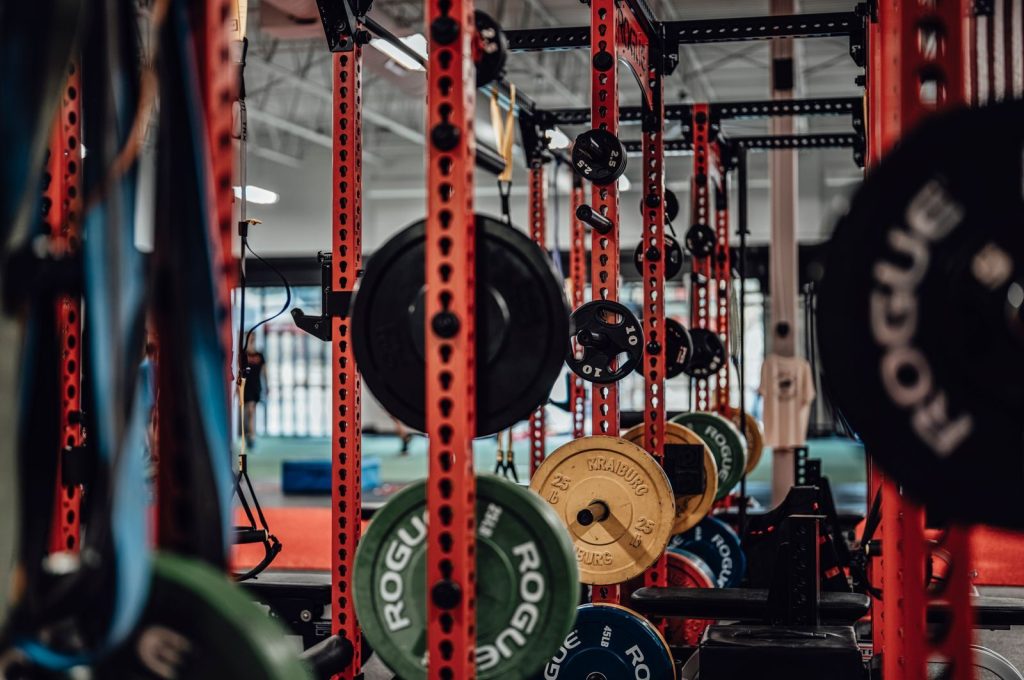
A well-equipped gym with various weightlifting gear and exercise equipment.
Budget Fitness Equipment
Cost-effective cardio and strength equipment designed for moderate daily use.
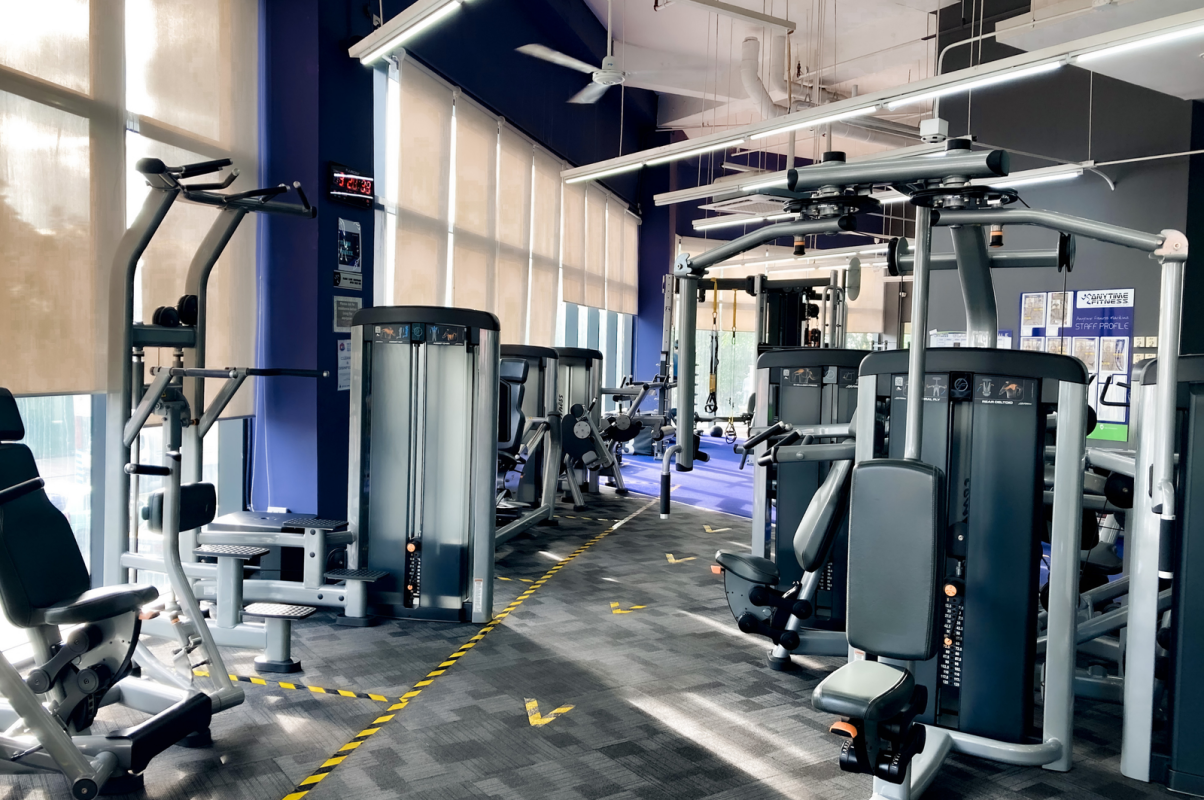
A bright, spacious gym with various exercise machines creating a motivating fitness atmosphere.
Premium Fitness Equipment
Commercial-grade fitness equipment built for intensive training environments and long-term performance.

Budget vs Premium Comparison

Compare equipment beyond purchase price by evaluating durability, performance, maintenance costs, warranty coverage, and expected service life.

  • Initial Purchase Cost
  • Product Durability
  • Performance Features
  • Maintenance Requirements
  • Warranty Coverage
  • Replacement Parts Availability
  • Expected Lifespan
  • Total Cost of Ownership

Choosing the Right Investment

The right investment depends on facility type, daily usage, available budget, and long-term operational goals. Premium equipment often delivers greater value in high-traffic facilities, while budget equipment may be suitable for light or occasional use.

  • Schools — Budget or mid-range equipment
  • Universities — Premium competition systems
  • Sports Clubs — Performance-focused equipment
  • Community Centers — Balanced value options
  • Municipal Parks — Durable outdoor equipment
  • Commercial Fitness Centers — Heavy-duty commercial equipment

Best Practices

Evaluate equipment based on long-term value rather than purchase price alone. Compare maintenance costs, expected lifespan, warranty support, and operational performance before making purchasing decisions.

  • Compare lifetime ownership costs
  • Consider maintenance expenses
  • Evaluate expected product lifespan
  • Review warranty coverage
  • Assess replacement part availability
  • Match equipment to facility usage
  • Balance budget with long-term value
  • Prioritize safety and reliability

F.A.Q.

Budget equipment focuses on affordability and basic functionality, while premium equipment typically offers better durability, advanced features, longer warranties, and improved long-term performance.

Premium equipment may provide better long-term value for facilities with frequent daily use by reducing maintenance costs and extending product lifespan.

Schools often choose budget or mid-range equipment for general physical education, while competition facilities may require premium systems.

Premium equipment generally lasts longer because it uses higher-quality materials, stronger construction, and commercial-grade components.

Buyers should compare durability, maintenance requirements, warranty coverage, safety certifications, replacement parts availability, and total cost of ownership.

In many cases, premium equipment is designed for heavy commercial use and may require fewer repairs over its service life when properly maintained.

Evaluate equipment based on usage frequency, facility type, expected lifespan, maintenance costs, and long-term operational needs rather than purchase price alone.

Commercial gyms, universities, sports clubs, and high-traffic recreation centers often benefit from premium equipment because of its durability, performance, and lower lifetime operating costs.

Related Articles

Hello world!

Welcome to WordPress. This is your first post. Edit or delete it, then start writing!...