Buying Mistakes

Avoid common sports equipment purchasing mistakes by understanding planning requirements, safety standards, facility needs, maintenance costs, and long-term value. Make informed purchasing decisions for schools, universities, recreation centers, and commercial sports facilities.

Common Buying Mistakes

Many purchasing issues can be avoided with proper planning and evaluation. Understanding common mistakes helps buyers reduce costs, improve safety, and maximize long-term equipment performance.

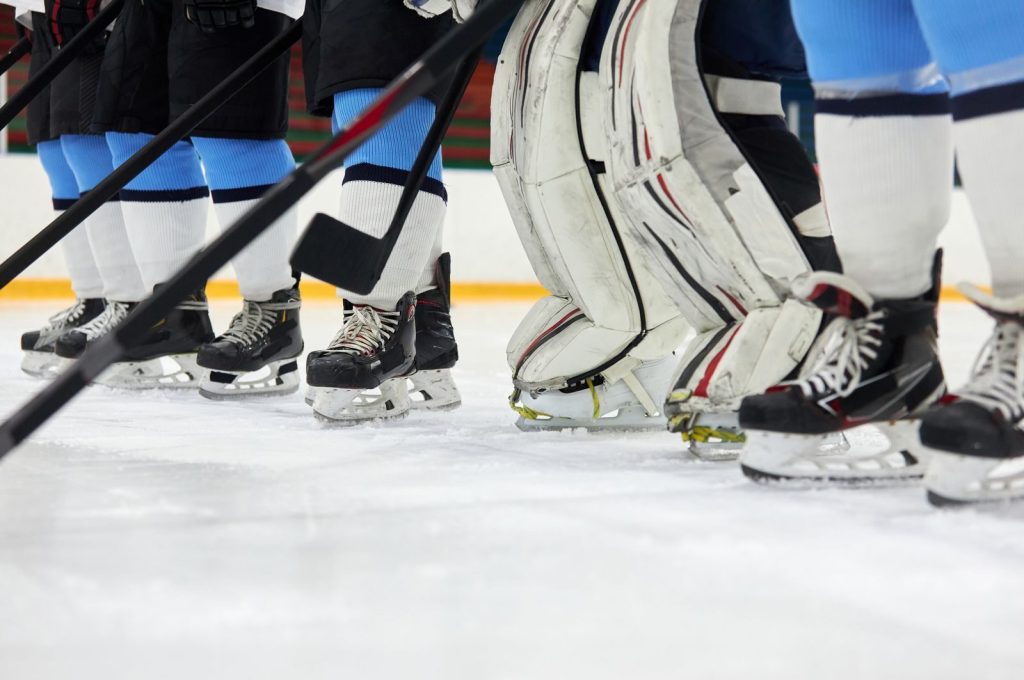
Focused view of hockey players' skates and sticks on an ice rink, ready for action.
Buying Based on Price
Selecting the lowest-priced equipment without considering durability, safety, or long-term operating costs.
A versatile sports facility featuring a roofed court and soccer field under a bright sky.
Wrong Equipment Selection
Purchasing equipment that does not match the facility, user age, or intended application.
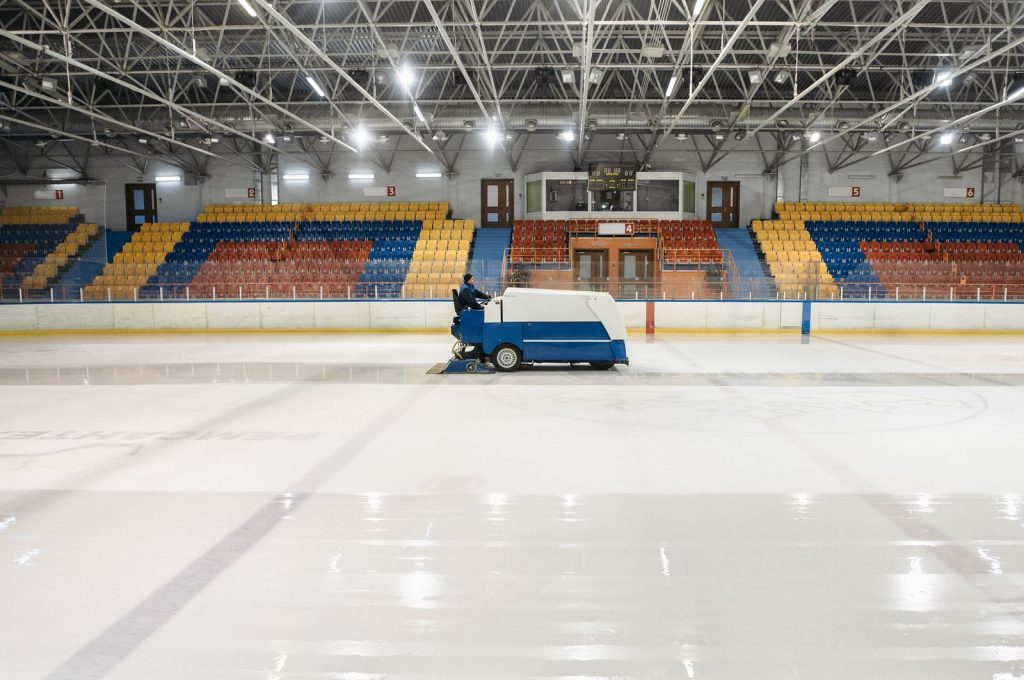
A Zamboni ice resurfacer operating in an empty indoor ice skating rink with colorful seating.
Ignoring Maintenance
Overlooking maintenance requirements, replacement parts, and ongoing service expenses.
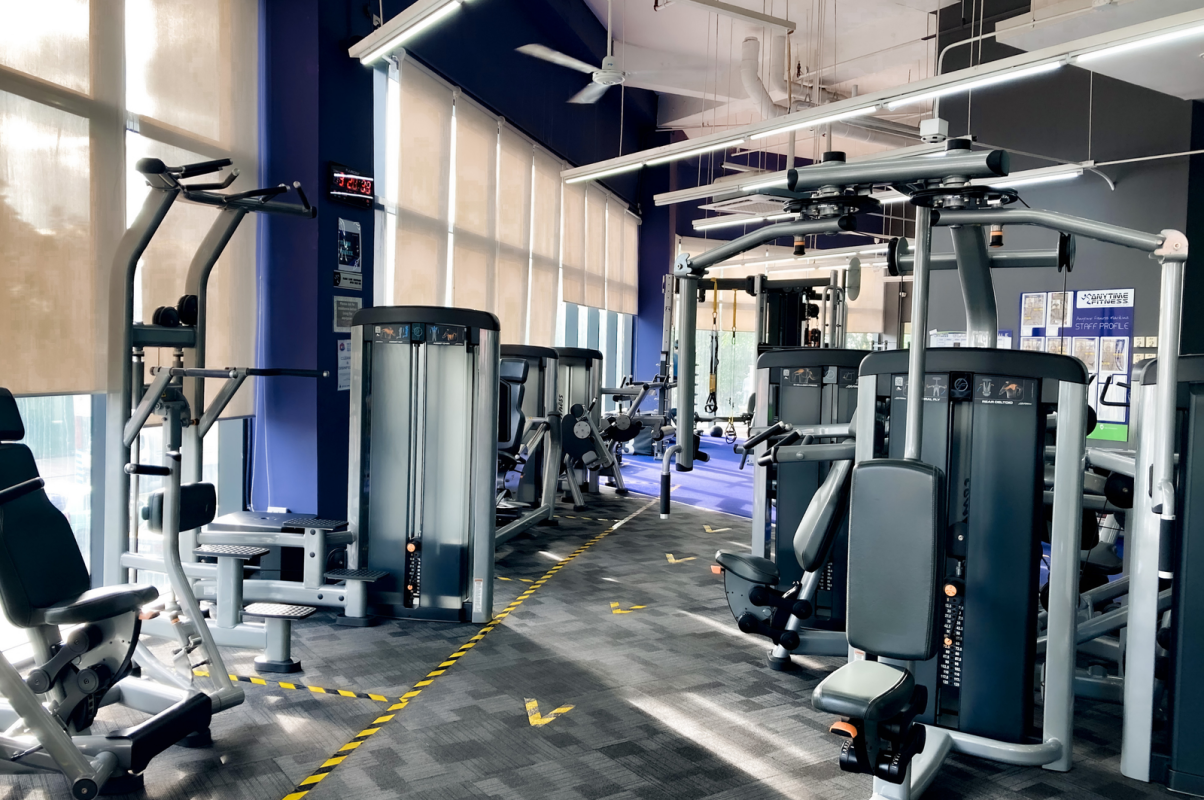
A bright, spacious gym with various exercise machines creating a motivating fitness atmosphere.
Missing Safety Compliance
Failing to verify safety certifications and industry standards before purchasing equipment.

Mistakes to Avoid Before Purchasing

Carefully reviewing operational needs, safety requirements, equipment specifications, and long-term ownership costs helps reduce purchasing risks and improve investment value.

  • Define Facility Requirements
  • Compare Multiple Products
  • Review Safety Certifications
  • Evaluate Product Durability
  • Estimate Maintenance Costs
  • Check Warranty Coverage
  • Verify Replacement Parts Availability
  • Calculate Total Cost of Ownership

Making Better Purchasing Decisions

Successful purchasing decisions are based on operational needs, long-term performance, safety compliance, and lifecycle costs rather than purchase price alone.

  • Schools — Prioritize safety and durability
  • Universities — Focus on competition-grade equipment
  • Sports Clubs — Match equipment to training needs
  • Community Centers — Balance quality and budget
  • Municipal Parks — Choose weather-resistant products
  • Commercial Facilities — Invest in heavy-duty equipment

Best Practices

Following a structured purchasing process helps reduce costly mistakes, improve equipment performance, and maximize long-term operational value.

  • Plan purchases before requesting quotes
  • Compare multiple equipment options
  • Review industry standards
  • Evaluate maintenance requirements
  • Confirm warranty terms
  • Verify supplier reputation
  • Consider future replacement needs
  • Calculate long-term ownership costs

F.A.Q.

Common mistakes include purchasing based only on price, ignoring safety standards, selecting the wrong equipment size, overlooking maintenance requirements, and failing to compare multiple products.

Lower-priced equipment may have shorter lifespans, higher maintenance costs, and fewer safety features, increasing long-term ownership expenses.

Define facility requirements, evaluate user needs, compare specifications, and confirm compliance with applicable industry standards before purchasing.

Safety-certified equipment helps reduce injury risks, supports regulatory compliance, and improves long-term operational reliability.

Compare product quality, durability, maintenance requirements, warranty coverage, replacement parts availability, certifications, and total cost of ownership.

Equipment requiring frequent maintenance may increase long-term operating costs and reduce overall value despite a lower purchase price.

Reliable suppliers often provide better product support, warranty service, technical assistance, and replacement parts throughout the equipment lifecycle.

Establish clear purchasing requirements, compare multiple options, verify certifications, evaluate lifecycle costs, and work with reputable suppliers.

Related Articles

Hello world!

Welcome to WordPress. This is your first post. Edit or delete it, then start writing!...