Commercial vs Residential

Compare commercial and residential sports equipment based on durability, performance, construction, maintenance, safety standards, and long-term value. Understand which option best fits your facility, budget, and usage requirements.

Commercial vs Residential Categories

Commercial and residential sports equipment are designed for different environments and usage levels. Understanding these categories helps buyers choose equipment that matches facility needs and operational requirements.

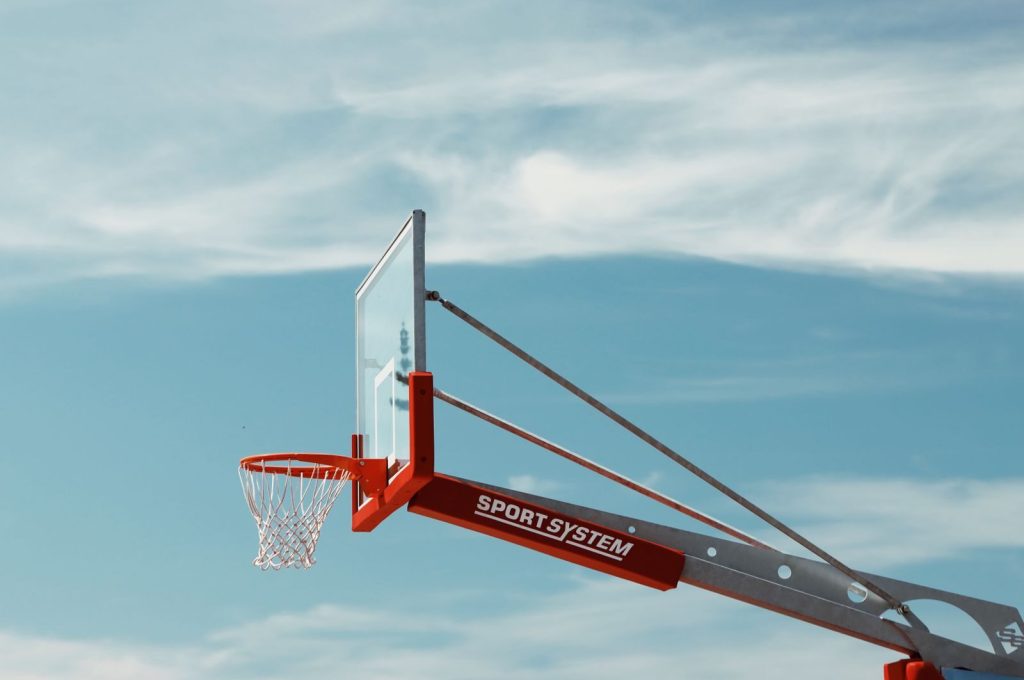
A basketball hoop with a transparent backboard set against a clear blue sky in Saulkrasti, Latvia.
Commercial Basketball Systems
Heavy-duty basketball goals designed for schools, sports clubs, universities, and recreation centers with frequent daily use.
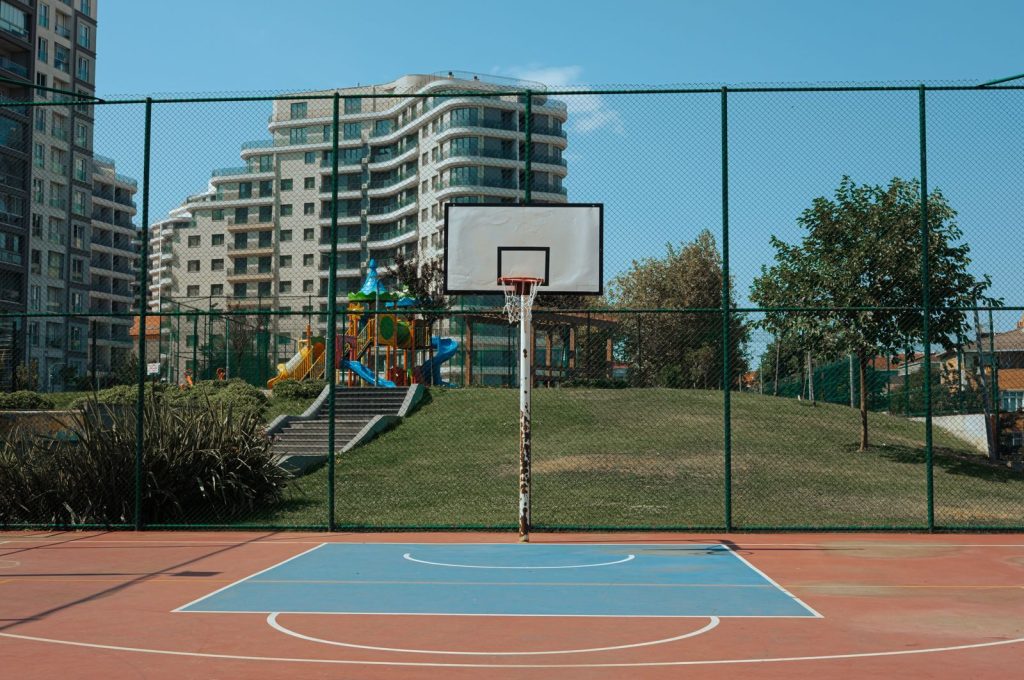
An outdoor basketball court with a hoop and playground in downtown.
Residential Basketball Systems
Home basketball systems designed for recreational play, lighter usage, and residential driveways or backyards.
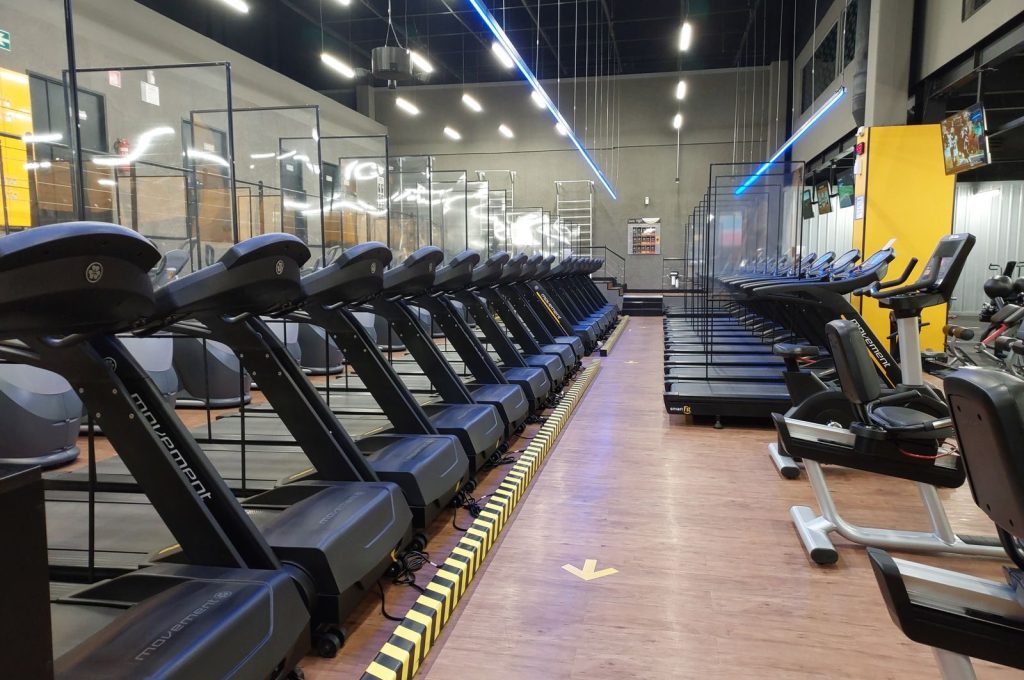
Row of treadmills and exercise machines in a well-lit modern gym setting.
Commercial Fitness Equipment
Commercial cardio and strength equipment built for continuous operation in gyms and fitness centers.
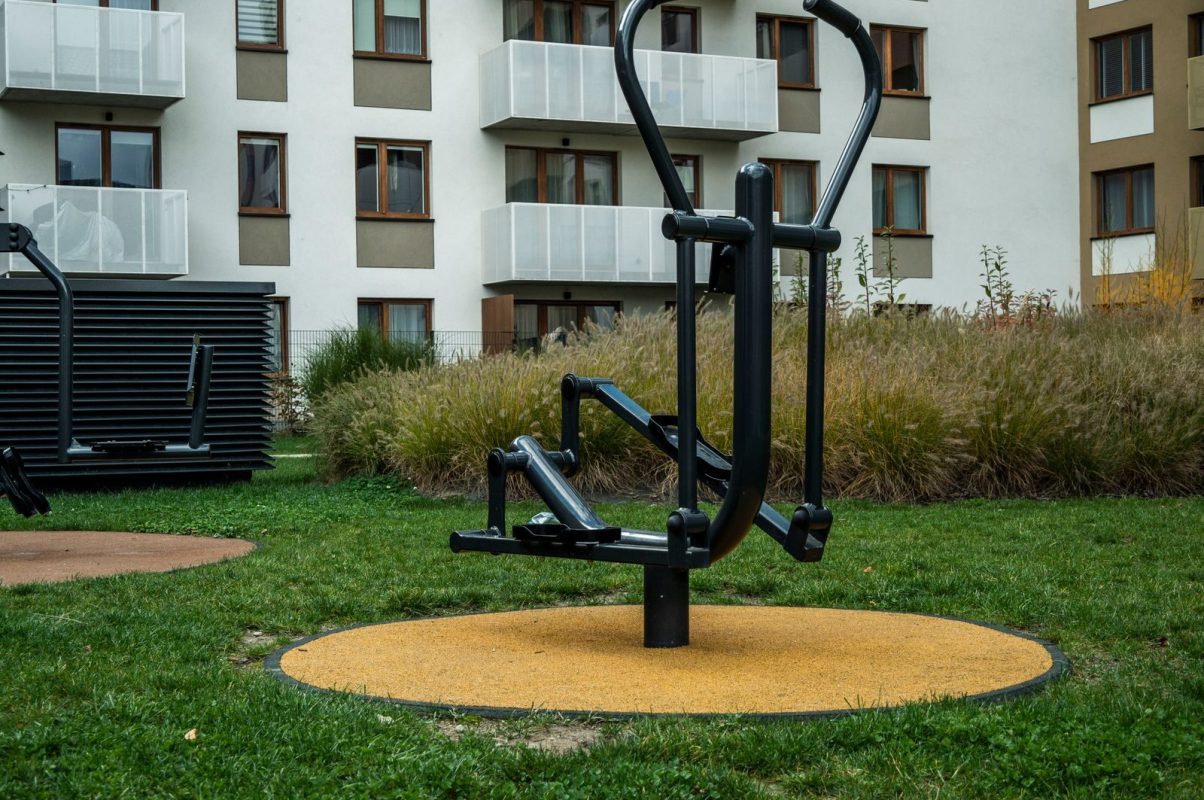
Outdoor gym equipment in a modern urban residential area, perfect for exercise.
Residential Fitness Equipment
Home fitness equipment designed for personal workouts and moderate daily use.

Commercial vs Residential Comparison

Compare commercial and residential equipment based on construction quality, durability, maintenance requirements, safety features, warranty coverage, and expected service life.

  • Construction Quality
  • Usage Capacity
  • Durability
  • Safety Standards
  • Maintenance Requirements
  • Warranty Coverage
  • Installation Requirements
  • Total Cost of Ownership

Choosing the Right Equipment

The right equipment depends on where it will be used, how frequently it will be used, and the level of performance required. Commercial equipment is generally recommended for high-traffic facilities, while residential equipment is suitable for personal or occasional recreational use.

  • Schools — Commercial equipment
  • Universities — Commercial competition systems
  • Sports Clubs — Commercial training equipment
  • Recreation Centers — Commercial equipment
  • Home Gyms — Residential equipment
  • Backyard Courts — Residential basketball systems

Best Practices

Select equipment based on long-term operational needs rather than purchase price alone. Consider expected usage, maintenance requirements, safety compliance, and lifecycle costs before making a purchasing decision.

  • Match equipment to usage frequency
  • Evaluate construction quality
  • Review applicable safety standards
  • Compare warranty coverage
  • Estimate maintenance costs
  • Verify installation requirements
  • Calculate lifecycle costs
  • Choose equipment appropriate for the facility

F.A.Q.

Commercial equipment is designed for frequent public use with stronger construction and greater durability, while residential equipment is intended for personal or light recreational use.

How do installation requirements differ between commercial and residential equipment?Commercial equipment is generally recommended because it is built to withstand heavy daily use and meets higher durability and safety requirements.

Commercial equipment often provides better long-term value through longer service life, reduced maintenance, and improved reliability in high-use environments.

Residential equipment is generally not recommended for commercial facilities because it may not be designed for continuous public use or higher safety demands.

Commercial equipment typically uses stronger materials and construction methods, resulting in a longer service life than residential products.

Many commercial products are manufactured to meet higher safety and performance standards required for institutional or public facilities.

Compare durability, construction quality, warranty coverage, maintenance requirements, safety compliance, installation needs, and expected usage.

Commercial equipment often requires professional installation, permanent anchoring, or reinforced flooring, while residential equipment is typically easier to install and designed for lighter use.


Related Articles

Hello world!

Welcome to WordPress. This is your first post. Edit or delete it, then start writing!...