Equipment Comparisons

Compare sports equipment based on design, performance, features, durability, installation, maintenance, and intended use. Evaluate different equipment types to identify the best solution for your facility, budget, and operational requirements.

Equipment Comparison Categories

Compare different types of sports equipment to understand their features, performance, installation requirements, and long-term value. Selecting the right equipment helps improve facility operations and purchasing decisions.

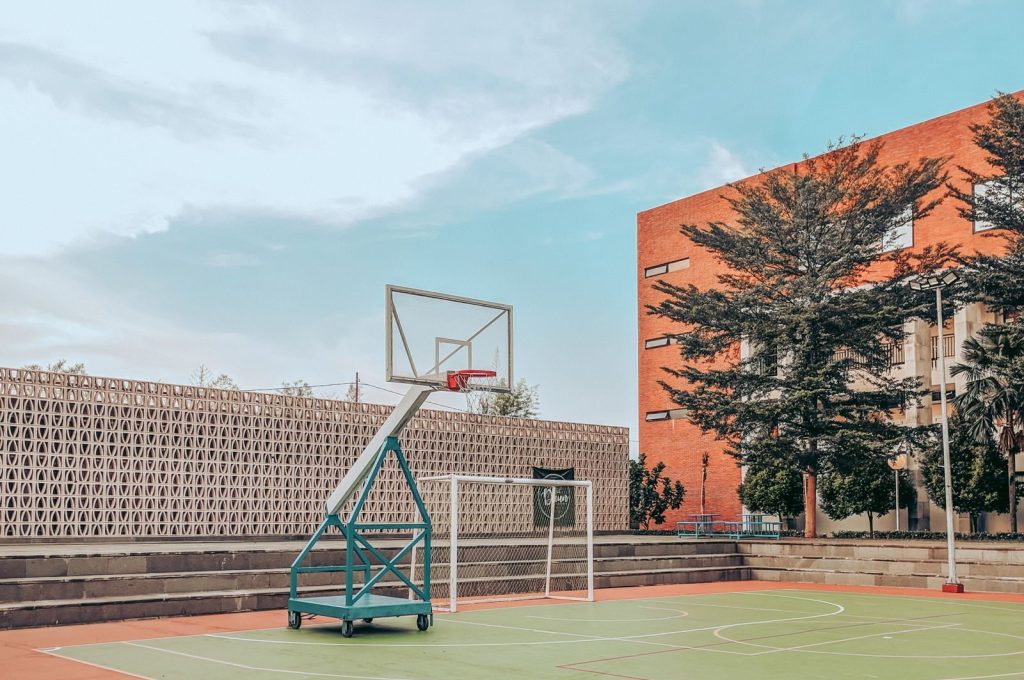
Empty sports ground with basketball hoop and soccer goal on green lawn located near urban building under blue sky
Portable Basketball Goals
Portable systems designed for flexible placement, temporary courts, and multi-purpose sports facilities.
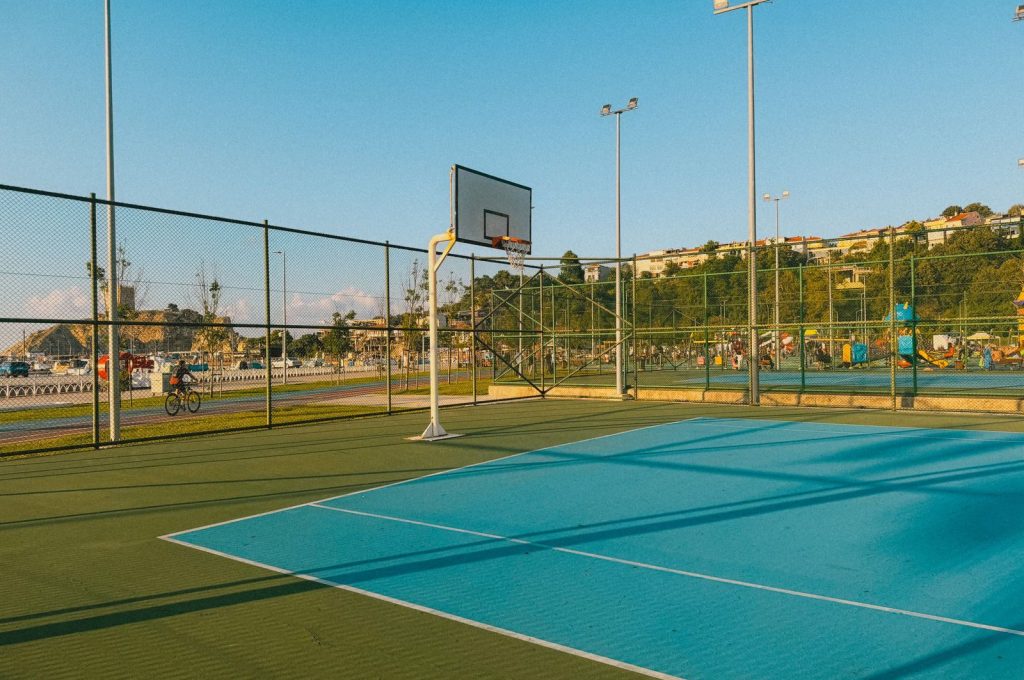
An empty outdoor basketball court with a scenic background under a clear blue sky during the daytime.
In-Ground Basketball Systems
Permanent basketball systems designed for long-term durability, stability, and competition-level performance.
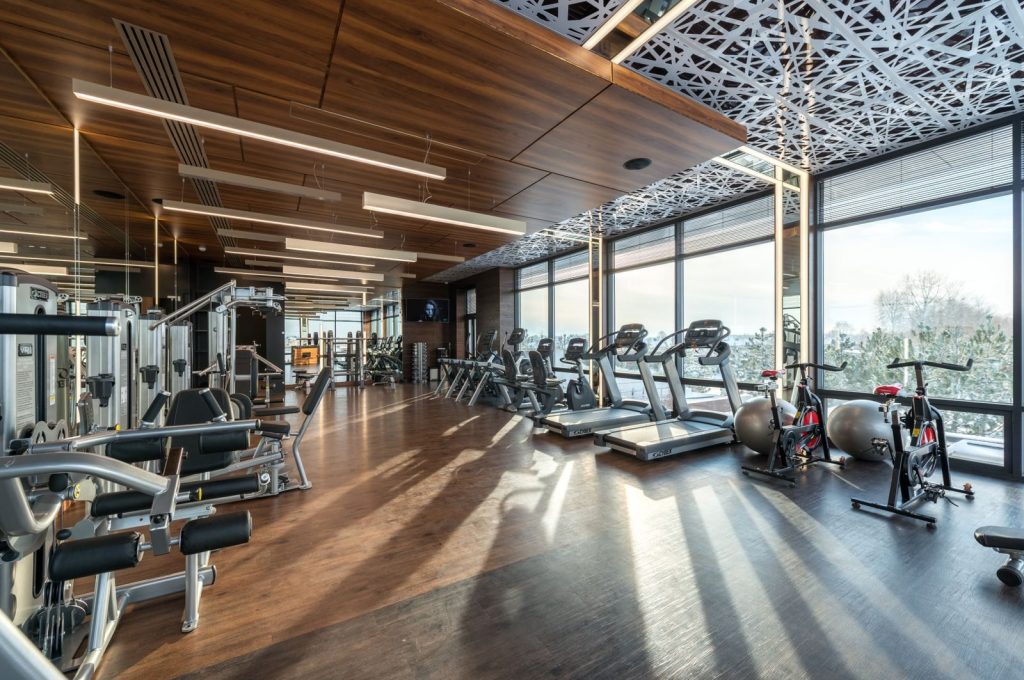
Modern exercise bikes and treadmills and various fitness equipment in spacious gym with wooden floor and panoramic windows in sunlight
Commercial Fitness Equipment
Commercial-grade fitness equipment built for continuous operation in gyms and recreation centers.
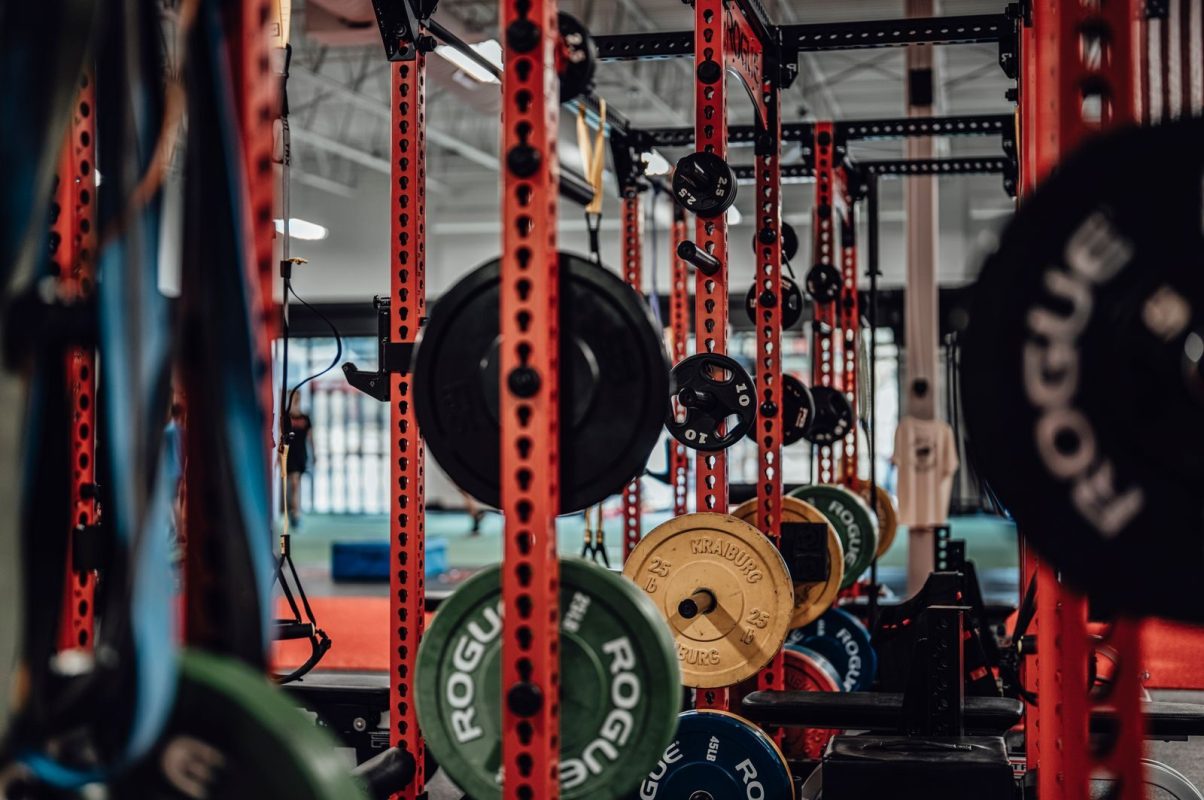
A well-equipped gym with various weightlifting gear and exercise equipment.
Functional Training Equipment
Free-weight and functional training systems designed to improve strength, mobility, and athletic performance.

Equipment Comparison Factors

Compare equipment by evaluating performance, construction, installation, maintenance requirements, operational efficiency, and long-term ownership costs.

  • Performance
  • Construction Quality
  • Installation Requirements
  • Durability
  • Maintenance Requirements
  • Safety Features
  • Expected Lifespan
  • Total Cost of Ownership

Choosing the Right Equipment

The right equipment depends on facility type, available space, usage frequency, user needs, and operational goals. Comparing multiple equipment options helps buyers select products that provide the best long-term value.

  • Schools — Multi-purpose equipment
  • Universities — Competition-grade systems
  • Sports Clubs — Performance-focused equipment
  • Recreation Centers — Flexible equipment solutions
  • Municipal Facilities — Durable outdoor equipment
  • Commercial Gyms — Heavy-duty commercial equipment

Best Practices

Compare equipment carefully before purchasing by reviewing specifications, installation requirements, maintenance needs, warranty coverage, and long-term operating costs.

  • Compare multiple equipment options
  • Evaluate facility requirements
  • Review product specifications
  • Verify safety standards
  • Estimate maintenance costs
  • Compare warranty coverage
  • Consider lifecycle value
  • Select equipment appropriate for intended use

F.A.Q.

Buyers should compare performance, construction quality, durability, installation requirements, maintenance needs, warranty coverage, safety features, and total cost of ownership.

Select equipment based on facility type, user requirements, available space, expected usage, and long-term operational goals.

Comparing equipment helps buyers identify products that best match performance requirements, budget, maintenance expectations, and facility needs.

Schools generally benefit from durable, versatile equipment designed for multiple age groups, physical education programs, and recreational activities.

Some equipment requires permanent installation and professional assembly, while other products are portable and designed for easier setup and relocation.

Durability, maintenance requirements, warranty coverage, replacement part availability, and expected lifespan all influence long-term value.

Selecting durable equipment, following maintenance schedules, and replacing worn components promptly can reduce long-term operating costs.

Organizations should evaluate operational needs, safety requirements, installation conditions, maintenance expectations, available budget, and future expansion plans.


Different equipment types provide different advantages depending on facility usage, maintenance requirements, expected lifespan, and operational goals. Buyers should evaluate total cost of ownership rather than initial purchase price alone.

Related Articles

Hello world!

Welcome to WordPress. This is your first post. Edit or delete it, then start writing!...