Artificial Turf

Artificial turf provides a durable, low-maintenance playing surface for schools, sports clubs, municipalities, universities, and commercial sports facilities. Compare turf systems based on sport type, durability, safety, drainage performance, installation requirements, and long-term maintenance costs.

Artificial Turf Types

Artificial turf systems are available for different sports, facility types, and performance requirements. Selecting the right surface depends on athlete safety, expected usage, durability, maintenance, and compliance with applicable sports standards.
Aerial view of a soccer field at night in Jakarta with a lone player casting a shadow under stadium lights.
Football Turf Systems
Designed for football fields requiring high durability, shock absorption, and consistent traction under intensive daily use.
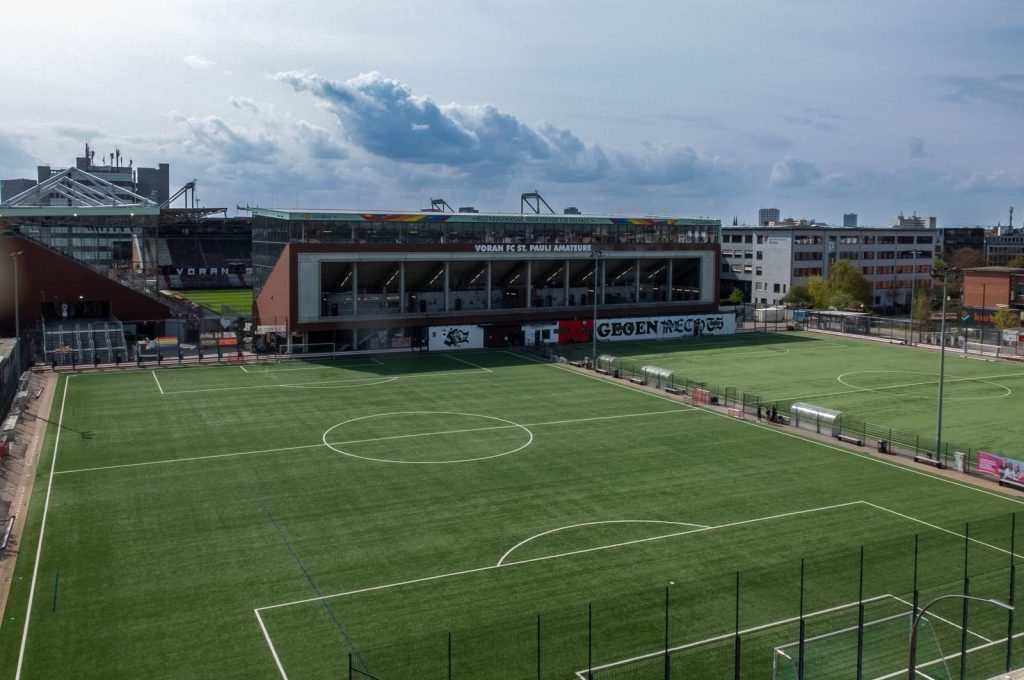
An aerial view of an empty soccer field and stadium in the city.
Soccer Turf Systems
Built for competitive and recreational soccer facilities with excellent ball roll, player comfort, and weather resistance.
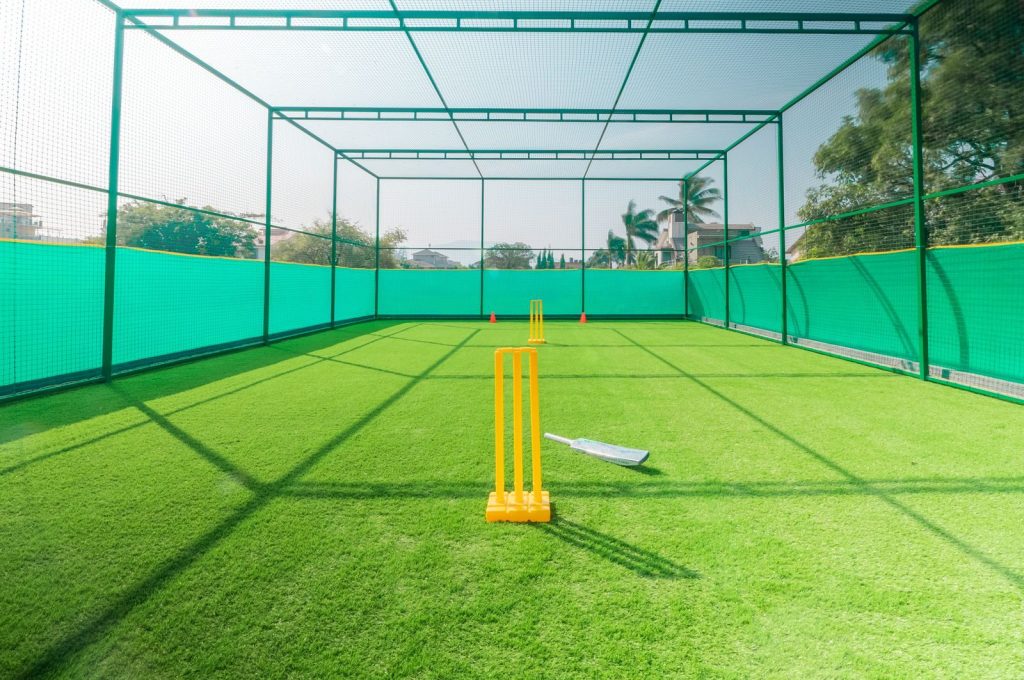
A cricket practice net with bright yellow stumps on a sunny day, ideal for training.
Multi-Sport Turf
Versatile artificial turf suitable for schools, community parks, and facilities supporting multiple sports activities.
Aerial shot of a well-maintained baseball field in Grant neighborhood, Sacramento, during the day.
Training & Fitness Turf
Performance turf designed for agility drills, functional fitness, strength training, and indoor athletic conditioning.

Artificial Turf Selection Considerations

Choosing the right artificial turf involves more than appearance. Buyers should evaluate performance, safety, drainage, durability, maintenance requirements, and total lifecycle cost before making an investment.

  • Sport-Specific Performance
  • Pile Height & Fiber Density
  • Drainage System
  • Shock Absorption
  • UV Resistance
  • Expected Lifespan
  • Maintenance Requirements
  • Total Cost of Ownership

Recommended Applications

Different turf systems are designed for different environments. Matching the turf specification with facility usage helps maximize durability, athlete safety, and long-term value.

  • Schools
  • Universities
  • Municipal Parks
  • Sports Clubs
  • Training Facilities
  • Commercial Sports Complexes

Best Practices

Artificial turf delivers long service life when properly installed and maintained. Planning for drainage, routine grooming, and periodic inspections helps preserve surface performance and reduce maintenance costs.
  • Select turf designed for the intended sport.
  • Ensure proper base construction and drainage.
  • Follow manufacturer maintenance schedules.
  • Inspect seams and infill regularly.
  • Replace damaged sections promptly.
  • Plan lifecycle replacement budgets.

F.A.Q.

Artificial turf is a synthetic playing surface designed to replicate natural grass while reducing maintenance requirements and supporting consistent sports performance.

Most commercial-quality artificial turf systems have an expected lifespan of 8–15 years, depending on usage, maintenance, and environmental conditions.

Artificial turf is commonly used for soccer, football, baseball, rugby, field hockey, playgrounds, and multi-purpose athletic facilities.

Routine maintenance includes debris removal, brushing fibers, checking infill levels, inspecting seams, and maintaining drainage systems.

Key considerations include pile height, fiber material, drainage performance, shock absorption, durability, warranty coverage, and lifecycle costs.

Yes. Many educational institutions choose artificial turf because it supports frequent use, reduces maintenance, and provides year-round playability.

Yes. Different turf systems are available for indoor training facilities, outdoor stadiums, recreational parks, and multi-purpose sports complexes.

Depending on the sport, buyers may consider FIFA Quality Programme requirements, ASTM testing standards, and other applicable safety and performance guidelines.

Related Articles

Hello world!

Welcome to WordPress. This is your first post. Edit or delete it, then start writing!...