
Bleachers

Bleachers provide safe and durable spectator seating for schools, universities, stadiums, parks, and community sports facilities. Compare bleacher systems based on seating capacity, materials, safety features, accessibility, and long-term maintenance requirements.

Bleacher Types

Bleachers are available in a variety of configurations to meet different facility sizes, spectator capacities, and event requirements. Selecting the appropriate seating system helps improve safety, accessibility, and long-term facility performance.
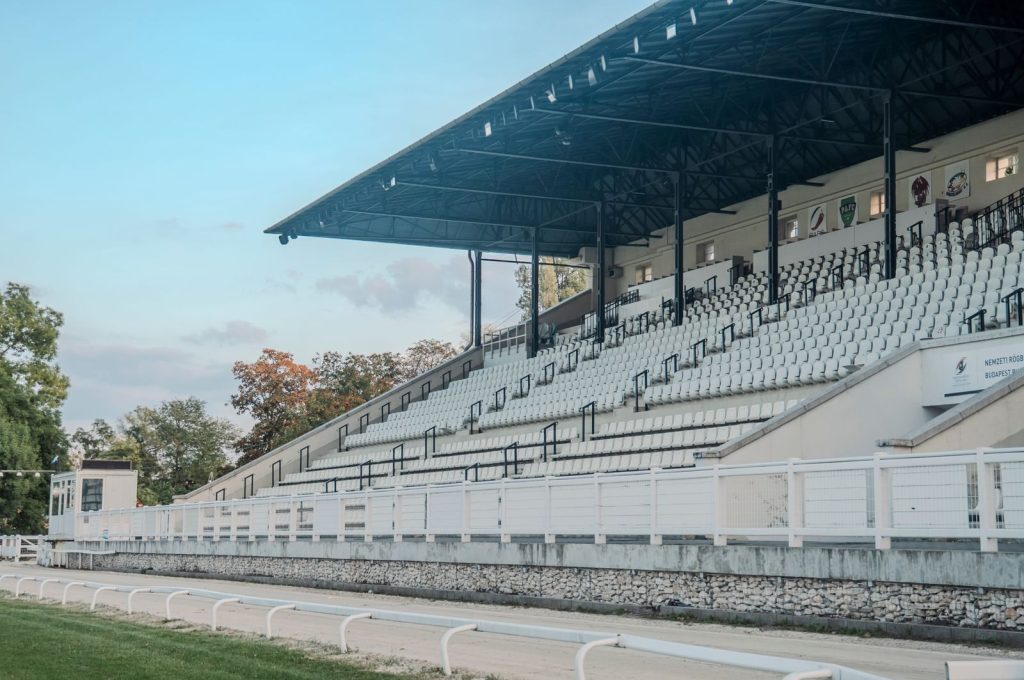
Empty grandstand seating in a sports stadium under a clear sky, ideal for sports events.
Aluminum Bleachers
Lightweight, corrosion-resistant bleachers designed for schools, parks, and outdoor athletic facilities.
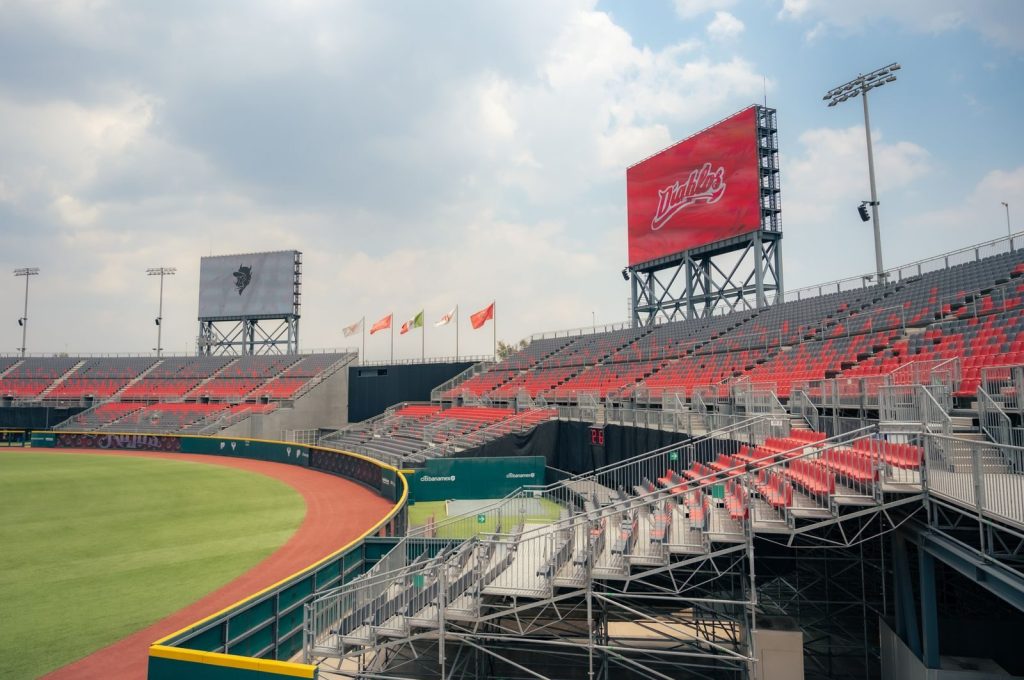
Wide-angle view of empty baseball stadium with red seats and clear sky.
Portable Bleachers
Mobile seating systems that can be relocated easily for tournaments, temporary events, and multi-purpose facilities.
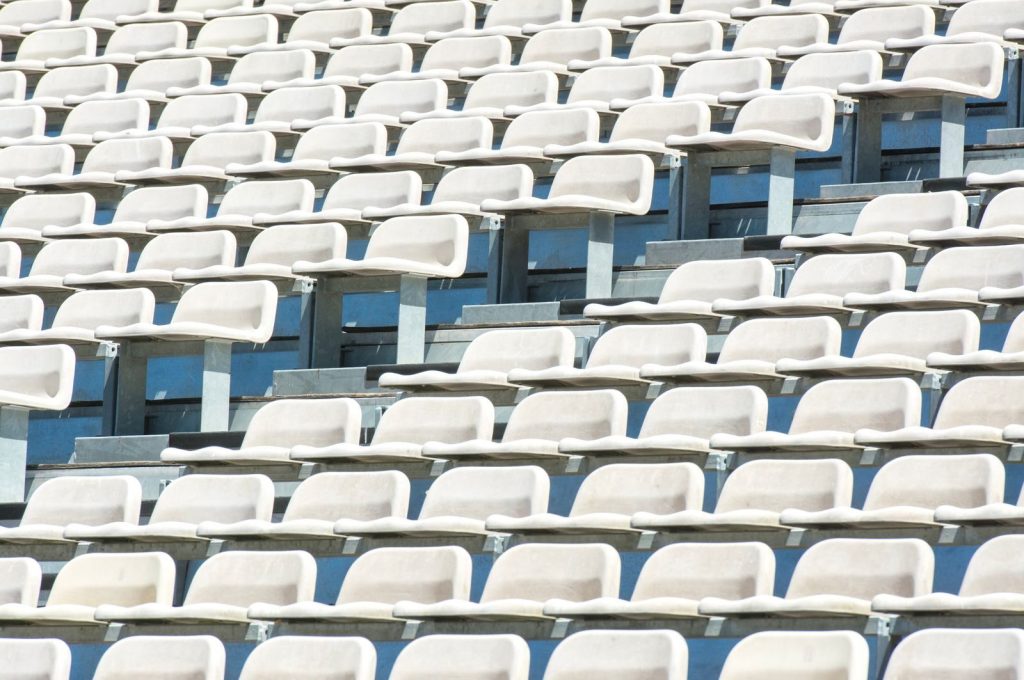
Rows of empty white plastic seats in a stadium, lined up under bright sunlight.
Grandstand Seating
High-capacity seating designed for stadiums, universities, and professional sports venues.
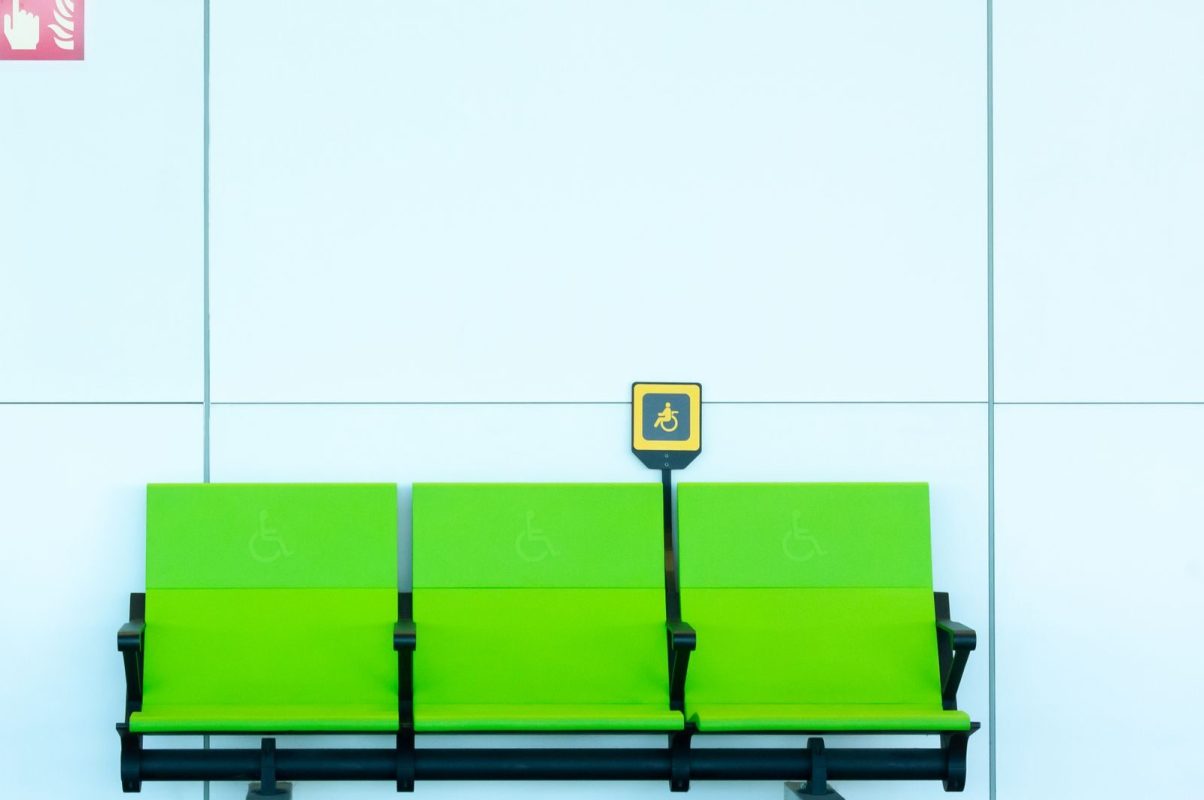
Vibrant green seats with handicap signs against a minimalist background.
ADA Accessible Bleachers
Accessible spectator seating that supports inclusive viewing areas and complies with ADA requirements.

Bleacher Selection Considerations

Selecting the appropriate bleacher system requires evaluating seating capacity, installation location, safety standards, accessibility, and expected maintenance over the product lifecycle.

  • Seating Capacity
  • Indoor or Outdoor Installation
  • Aluminum or Steel Construction
  • ADA Accessibility
  • Guardrails & Handrails
  • Safety Compliance
  • Maintenance Requirements
  • Total Cost of Ownership

Recommended Applications

Different bleacher systems are designed for facilities with varying spectator capacities and operational requirements.

  • Schools
  • Universities
  • Municipal Sports Parks
  • Community Recreation Centers
  • Sports Stadiums
  • Athletic Complexes

Best Practices

Proper planning, installation, and routine inspections help extend the service life of bleachers while improving spectator safety and reducing maintenance costs.
  • Select seating based on expected attendance.
  • Inspect structural components regularly.
  • Maintain guardrails and handrails.
  • Ensure ADA seating remains accessible.
  • Clean aluminum surfaces periodically.
  • Replace damaged components promptly.

F.A.Q.

Bleachers are tiered seating systems designed to provide safe spectator seating at sports facilities, schools, stadiums, and recreational venues.

Common options include aluminum bleachers, portable bleachers, grandstands, tip-and-roll bleachers, covered bleachers, and ADA-accessible seating systems.

Key factors include seating capacity, installation location, accessibility, structural materials, safety features, maintenance, and compliance with applicable regulations.

Aluminum bleachers are lightweight, corrosion-resistant, and require less maintenance, while steel structures may provide greater strength for certain large installations.

Yes. Bleachers should comply with applicable building codes, safety regulations, and accessibility requirements, including guardrails and ADA provisions where required.

Routine inspections should be performed before each season, with comprehensive structural evaluations conducted on a regular maintenance schedule.

Yes. Manufacturers offer models specifically designed for indoor gymnasiums, outdoor stadiums, schools, parks, and multi-purpose athletic facilities.

Properly maintained commercial-grade bleachers can provide reliable service for decades, depending on materials, environmental conditions, and usage.

Related Articles

Hello world!

Welcome to WordPress. This is your first post. Edit or delete it, then start writing!...