Indoor Sports Facilities

Indoor sports facilities provide year-round environments for training, competition, recreation, and community programs. Compare facility types based on sports applications, capacity, equipment requirements, accessibility, and long-term operational efficiency.

Indoor Facility Types

Indoor sports facilities are designed to support different sports, user groups, and operational goals. Selecting the appropriate facility type helps maximize participation, improve athlete safety, and increase long-term facility value.
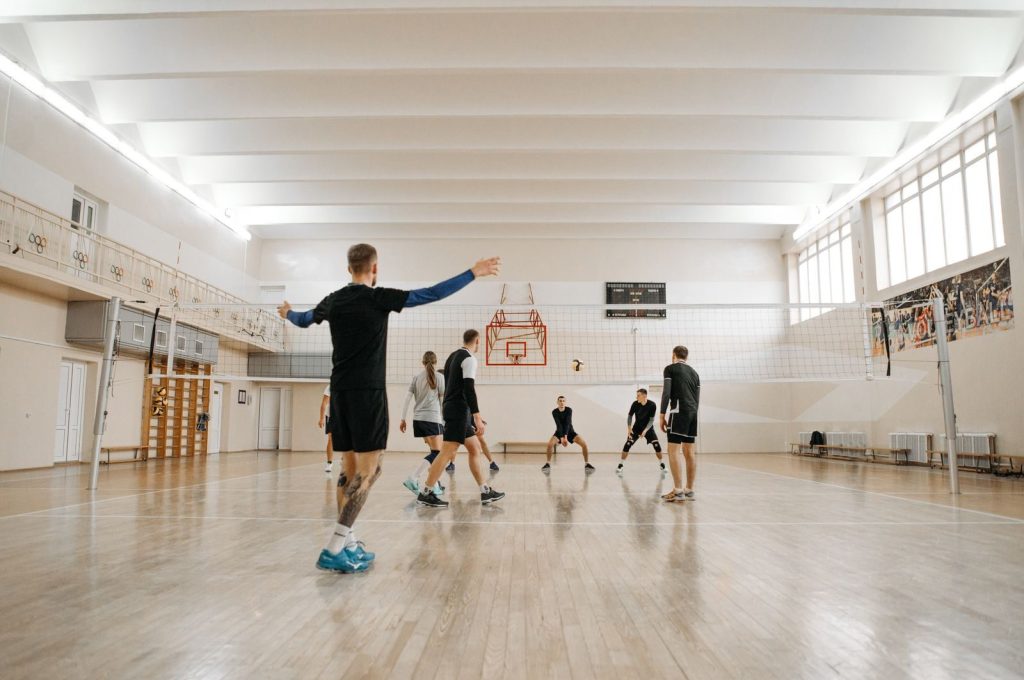
Energetic volleyball practice session with a mixed team indoors. Perfect for sports training themes.
Gymnasiums
Multi-purpose indoor courts designed for basketball, volleyball, badminton, physical education, and community recreation.
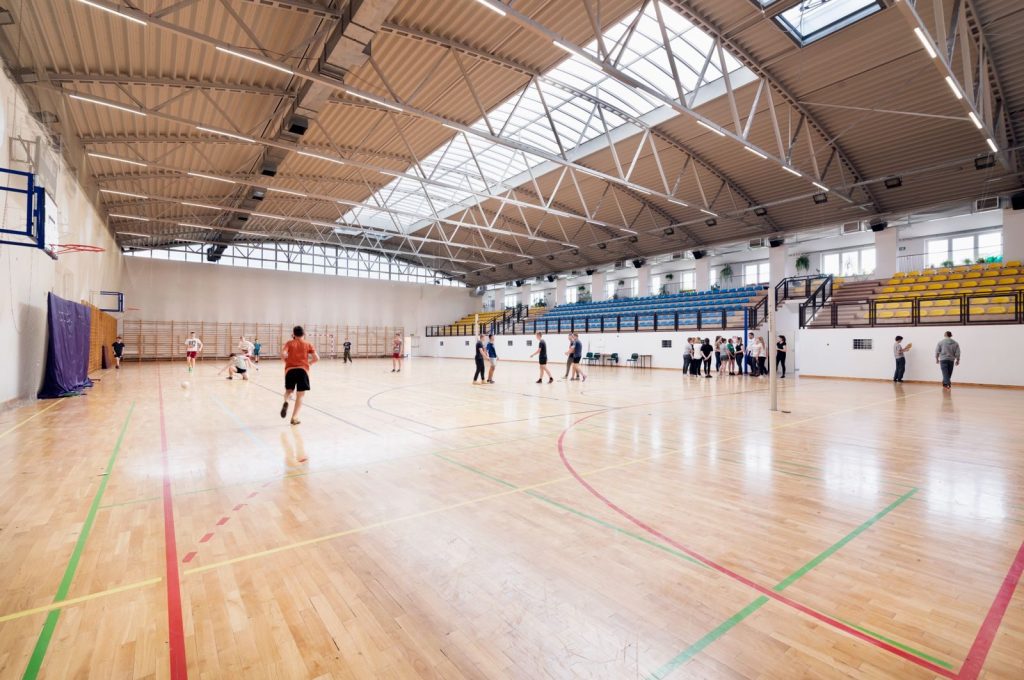
Wide-angle view of an indoor basketball court with players practicing and engaging in sports activities.
Field Houses
Large indoor facilities supporting track and field, team training, tournaments, and year-round athletic programs.
Bright indoor gymnastics facility with various equipment and an athlete training.
Indoor Training Centers
Performance-focused facilities equipped for strength training, conditioning, rehabilitation, and sport-specific development.
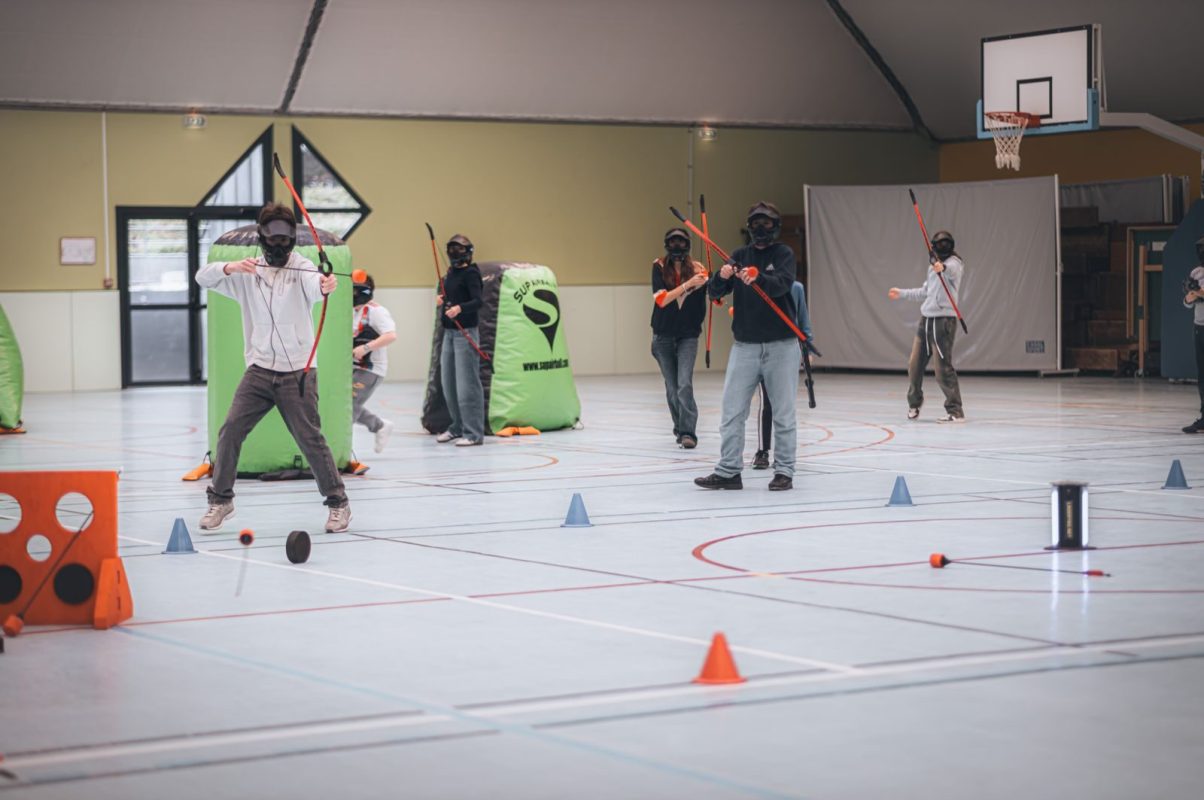
Group playing archery tag indoors with bows, arrows, and masks.
Multi-Purpose Sports Centers
Flexible facilities supporting multiple sports, community events, fitness programs, and recreational activities.

Facility Planning Considerations

Planning an indoor sports facility requires balancing sport requirements, user capacity, operational efficiency, accessibility, safety, and long-term maintenance.

  • Sport Requirements
  • Facility Size
  • User Capacity
  • Equipment Integration
  • Accessibility
  • Safety Standards
  • Maintenance Planning
  • Future Expansion

Typical Projects

Indoor sports facilities serve educational institutions, recreation organizations, commercial operators, and competitive athletic programs.

  • Schools
  • Universities
  • Community Recreation Centers
  • Sports Clubs
  • Commercial Fitness Centers
  • Training Academies

Best Practices

Successful indoor sports facilities prioritize flexible layouts, athlete safety, efficient circulation, durable equipment, and long-term operational planning.
  • Match facility design to intended sports.
  • Separate competition and training areas.
  • Provide adequate storage and support spaces.
  • Ensure ADA accessibility.
  • Plan for future equipment upgrades.
  • Implement preventive maintenance programs.

F.A.Q.

Indoor sports facilities are enclosed venues designed for training, competition, recreation, and physical education across a wide range of sports.

Common types include gymnasiums, field houses, indoor training centers, multi-purpose sports centers, indoor tennis facilities, and aquatic centers.

Important considerations include facility size, sport requirements, user capacity, equipment integration, accessibility, safety, maintenance, and future expansion.

Indoor facilities provide climate-controlled environments that support year-round activities, protect equipment from weather, and offer more consistent playing conditions.

Basketball, volleyball, badminton, futsal, pickleball, gymnastics, indoor track, fitness training, and many other sports can be accommodated.

Efficient layouts, durable equipment, proper storage, preventive maintenance, and flexible programming help reduce operating costs and maximize facility utilization.

Facilities should comply with applicable building codes, ADA accessibility requirements, fire regulations, equipment safety standards, and sport-specific guidelines.

Facilities should incorporate flexible layouts, scalable infrastructure, and available space for additional equipment, expanded programming, and future renovations.

Related Articles

Hello world!

Welcome to WordPress. This is your first post. Edit or delete it, then start writing!...