
Outdoor Sports Facilities

Outdoor sports facilities provide spaces for competition, training, recreation, and community programs across a wide range of sports. Compare outdoor facility types based on sports applications, site planning, durability, accessibility, maintenance, and long-term operational performance.

Outdoor Facility Types

Outdoor sports facilities support different sports, user groups, and community needs. Selecting the appropriate facility type helps improve athlete safety, maximize participation, and increase long-term facility value.
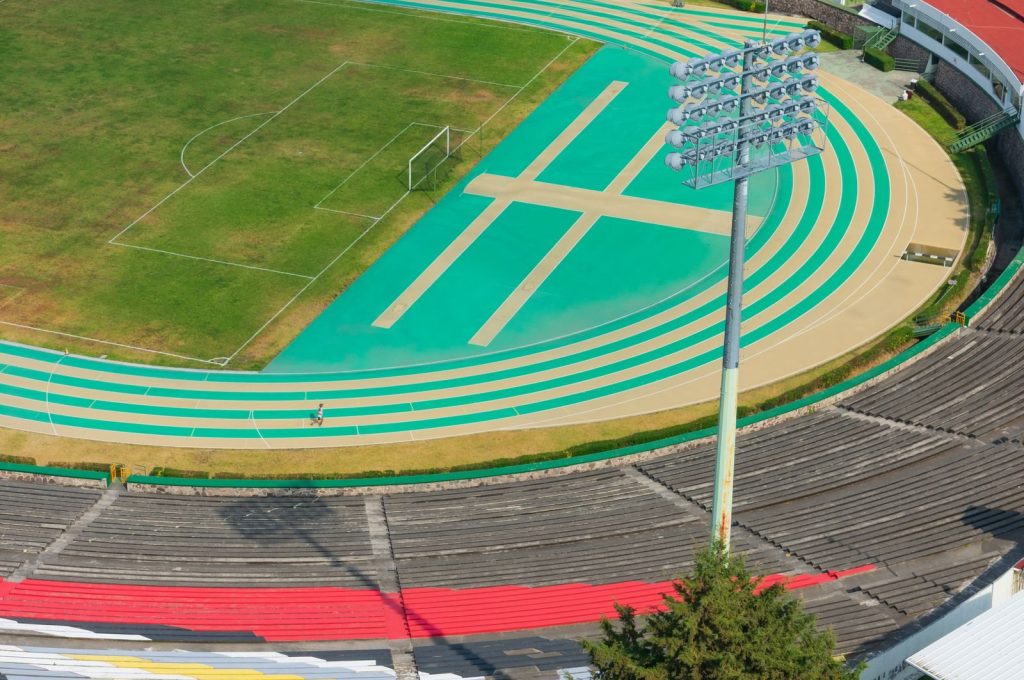
Aerial photograph of an outdoor sports track and stadium in Toluca de Lerdo, Mexico, capturing vibrant colors and athletic design.
Sports Fields
Natural grass and artificial turf fields designed for soccer, football, rugby, lacrosse, and other outdoor sports.
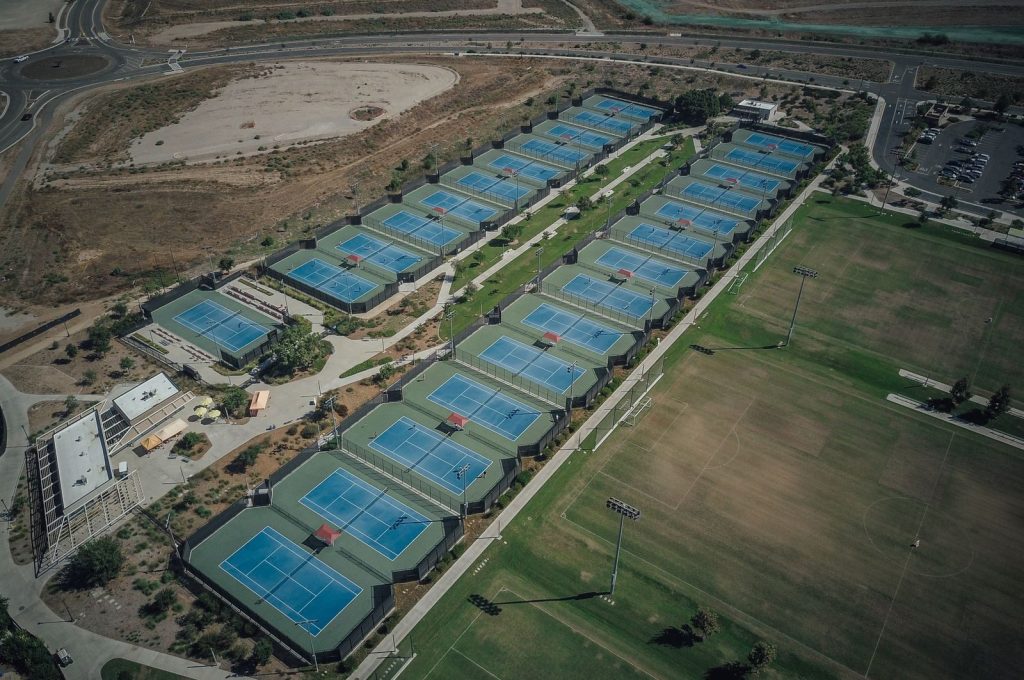
High-angle view of multiple tennis courts in a landscaped area, suitable for sports activities.
Athletic Complexes
Large multi-field facilities supporting tournaments, community recreation, school athletics, and regional sporting events.
Tennis courts from above showcasing players in action, surrounded by greenery.
Outdoor Courts
Outdoor courts designed for basketball, tennis, pickleball, volleyball, and multi-purpose recreational activities.
A vibrant aerial view of a bustling football match at Pereira's modern stadium in Colombia.
Stadiums
Competition venues supporting spectator seating, professional events, school championships, and community tournaments.

Facility Planning Considerations

Planning outdoor sports facilities requires evaluating site conditions, sports requirements, environmental factors, accessibility, and long-term maintenance.

  • Site Selection
  • Sport Requirements
  • Field & Court Layout
  • Drainage Systems
  • Accessibility
  • Lighting Requirements
  • Maintenance Planning
  • Future Expansion

Typical Projects

Outdoor sports facilities support educational institutions, municipalities, community organizations, and competitive athletic programs.

  • Schools
  • Universities
  • Municipal Sports Parks
  • Sports Clubs
  • Community Recreation Centers
  • Athletic Complexes

Best Practices

Successful outdoor sports facilities balance durability, safety, accessibility, efficient maintenance, and flexible programming to maximize long-term facility value.
  • Select surfaces appropriate for intended sports.
  • Provide adequate lighting and drainage.
  • Ensure ADA accessibility.
  • Plan spectator circulation and safety.
  • Develop preventive maintenance schedules.
  • Allow space for future expansion.

F.A.Q.

Outdoor sports facilities are recreational and competitive venues designed for sports training, physical education, tournaments, and community activities.

Common facilities include sports fields, athletic complexes, outdoor courts, stadiums, community parks, and multi-sport facilities.

Important considerations include site selection, drainage, sport requirements, accessibility, lighting, maintenance, safety, and future expansion.

Outdoor facilities are exposed to weather conditions and require greater consideration for drainage, surface durability, lighting, and environmental maintenance.

Soccer, football, baseball, softball, tennis, pickleball, rugby, lacrosse, track and field, and many community recreation activities.

Well-designed facilities encourage year-round recreation, organized sports, public events, youth development, and healthy lifestyles.

Facilities should comply with applicable building codes, ADA accessibility requirements, sport-specific standards, and local safety regulations.

Facilities should implement preventive maintenance programs, inspect equipment regularly, maintain playing surfaces, and budget for future upgrades.

Related Articles

Hello world!

Welcome to WordPress. This is your first post. Edit or delete it, then start writing!...