
Running Tracks

Running tracks provide dedicated surfaces for athletics training, competition, physical education, and community fitness programs. Compare track systems based on surface materials, durability, performance, maintenance, and compliance with athletics standards.

Running Track Types

Running track systems are designed for different levels of competition, training, and recreational use. Selecting the appropriate surface helps improve athlete performance, safety, durability, and long-term facility value.
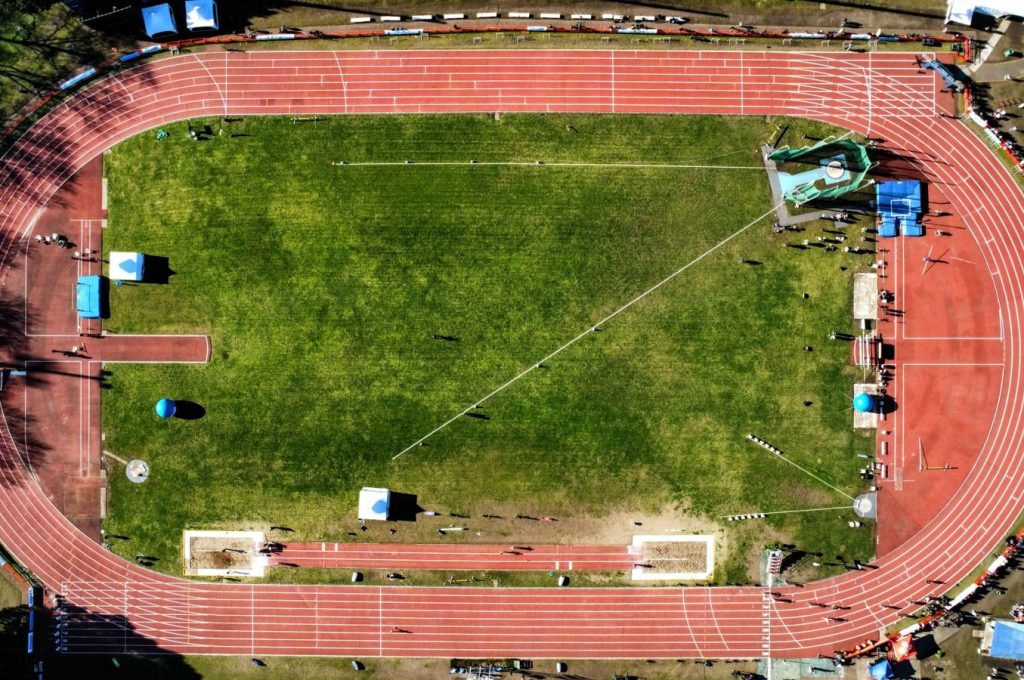
Drone shot of an athletics stadium with red tracks and green field in Mar del Plata, Argentina.
Competition Running Tracks
Certified running tracks designed for competitive athletics, track meets, and professional training environments.
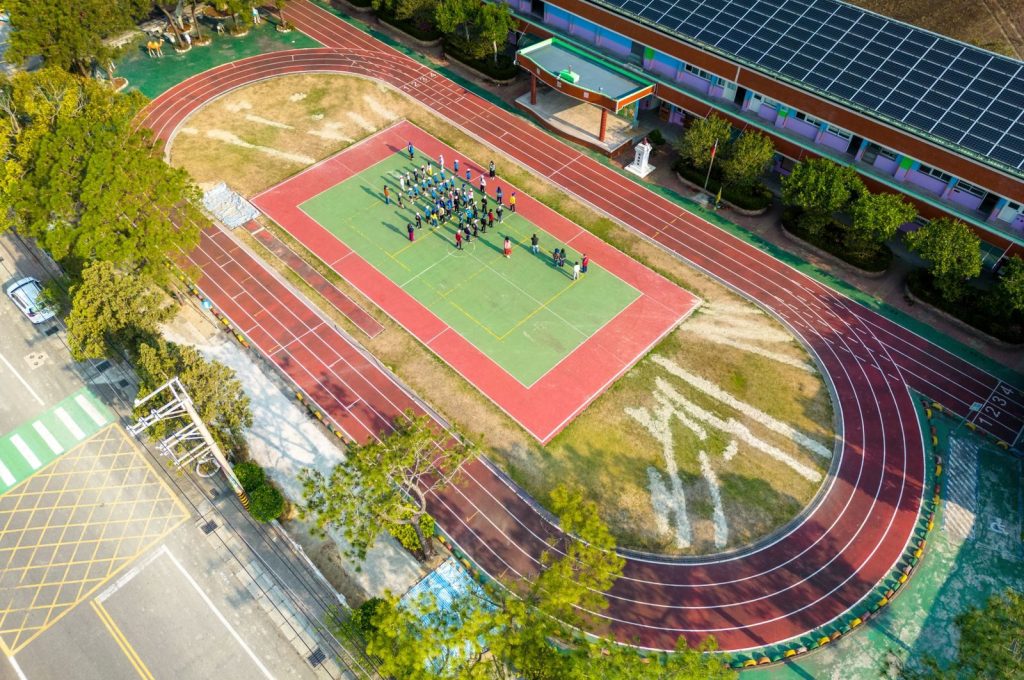
Aerial shot showcasing a school sports area with students on a court, surrounded by a running track.
School Running Tracks
Durable track systems supporting physical education, school athletics, and student fitness programs.
Two women jogging on an outdoor track, enjoying exercise and fitness in the morning sun.
Community Running Tracks
Outdoor running tracks designed for public recreation, walking, jogging, and community wellness programs.
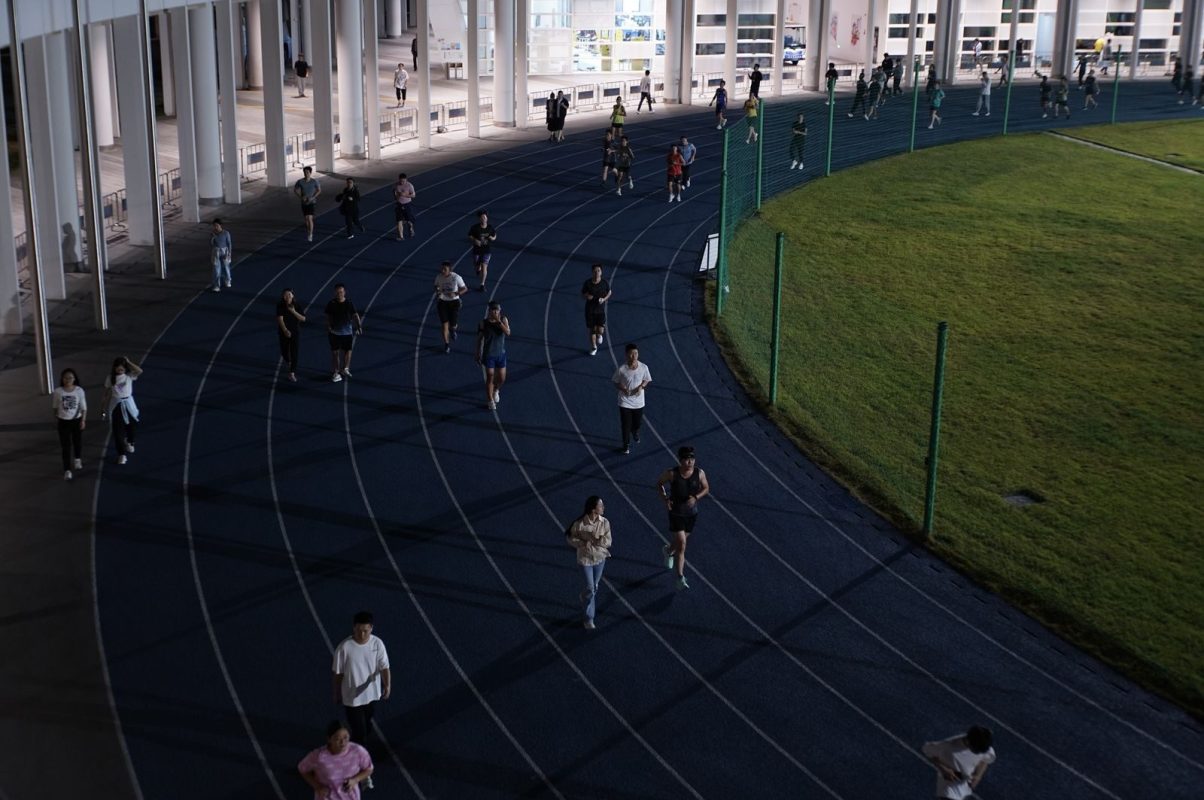
A group of people jogging on an outdoor track in the evening, showcasing urban fitness culture.
Indoor Running Tracks
Climate-controlled running surfaces supporting year-round training, rehabilitation, and indoor athletic programs.

Running Track Selection Considerations

Selecting a running track requires evaluating athlete safety, surface performance, expected usage, maintenance requirements, and long-term ownership costs.

  • Track Surface Material
  • Certification Requirements
  • Drainage Performance
  • Shock Absorption
  • Slip Resistance
  • Maintenance Requirements
  • Expected Lifespan
  • Total Cost of Ownership

Recommended Applications

Running tracks support facilities of different sizes and performance requirements, from schools to international athletics venues.

  • Schools
  • Universities
  • Municipal Parks
  • Athletic Complexes
  • Training Centers
  • Competition Stadiums

Best Practices

Proper installation, routine inspections, and preventive maintenance help maximize running track performance, improve athlete safety, and extend service life.
  • Select the appropriate surface for intended use.
  • Maintain proper drainage systems.
  • Inspect surface wear regularly.
  • Repair damaged areas promptly.
  • Follow manufacturer maintenance guidelines.
  • Plan lifecycle replacement budgets.

F.A.Q.

A running track is a specially designed athletic surface used for training, competition, physical education, and recreational running.

Common types include competition tracks, school tracks, community tracks, indoor tracks, and recreational jogging tracks.

Running tracks are commonly constructed using polyurethane, synthetic rubber, latex-bound systems, and other resilient athletic surfacing materials.

Important factors include surface material, competition level, shock absorption, drainage, durability, maintenance, lifespan, and total cost of ownership.

Commercial running tracks generally last 8–15 years, depending on surface quality, maintenance, climate, and usage.

Facilities should clean debris regularly, inspect surface conditions, repair damaged areas promptly, and follow manufacturer maintenance recommendations.

Competition facilities should comply with applicable athletics governing body standards and local construction requirements.

Yes. Many running tracks are integrated with football, soccer, and multi-purpose athletic fields while supporting recreational fitness activities.

Related Articles

Hello world!

Welcome to WordPress. This is your first post. Edit or delete it, then start writing!...