
Scoreboards

Sports scoreboards provide real-time scoring, timing, player information, and event management for schools, stadiums, recreation centers, and professional sports facilities. Compare scoreboard systems based on display technology, visibility, control features, durability, and long-term maintenance.

Scoreboard Types

Sports scoreboards are available for different sports, facility sizes, and competition levels. Selecting the appropriate system improves game management, spectator experience, and long-term operational efficiency.
A lively soccer stadium scene with fans waving flags and a scoreboard displaying match details.
LED Scoreboards
High-visibility LED scoreboards designed for schools, stadiums, athletic complexes, and outdoor sports facilities.
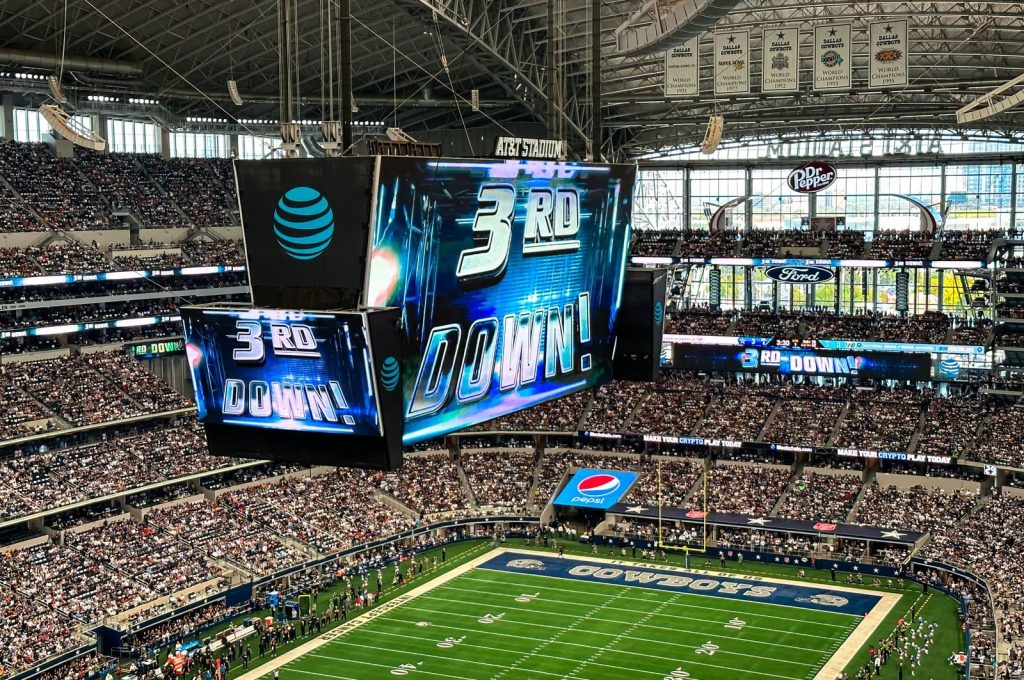
An exciting football game is underway at the AT&T Stadium in Arlington, Texas, with a packed crowd and dynamic atmosphere.
Video Scoreboards
Large-format display systems supporting live video, instant replay, advertising, and enhanced spectator engagement.
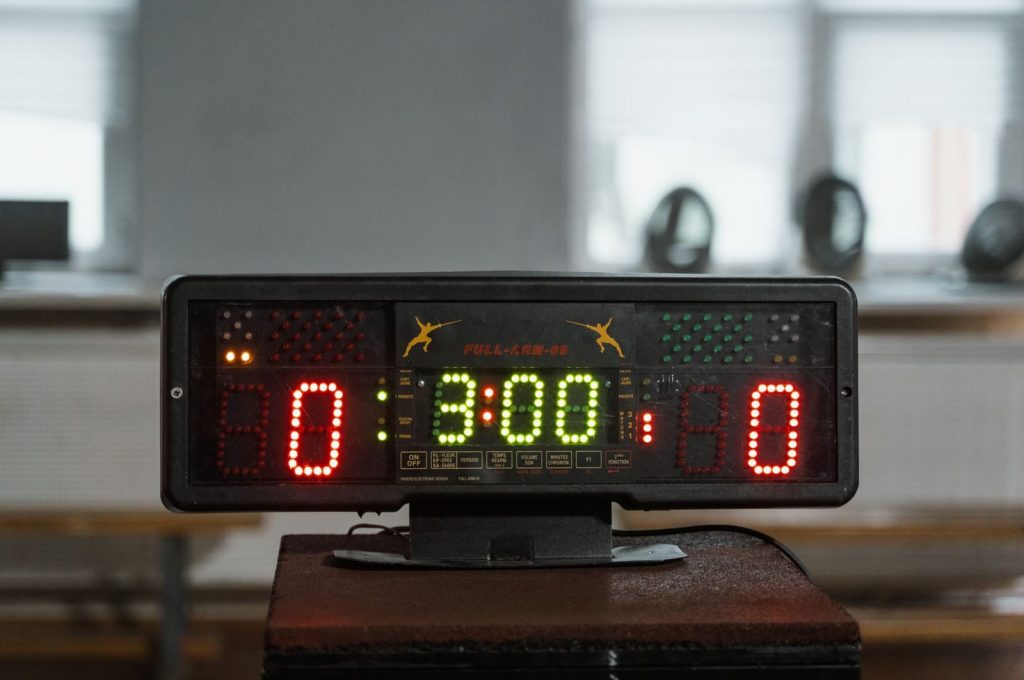
Close-up of a digital fencing scoreboard indoors, displaying zero scores.
Portable Scoreboards
Mobile scoring systems designed for temporary events, training sessions, and multi-purpose sports facilities.
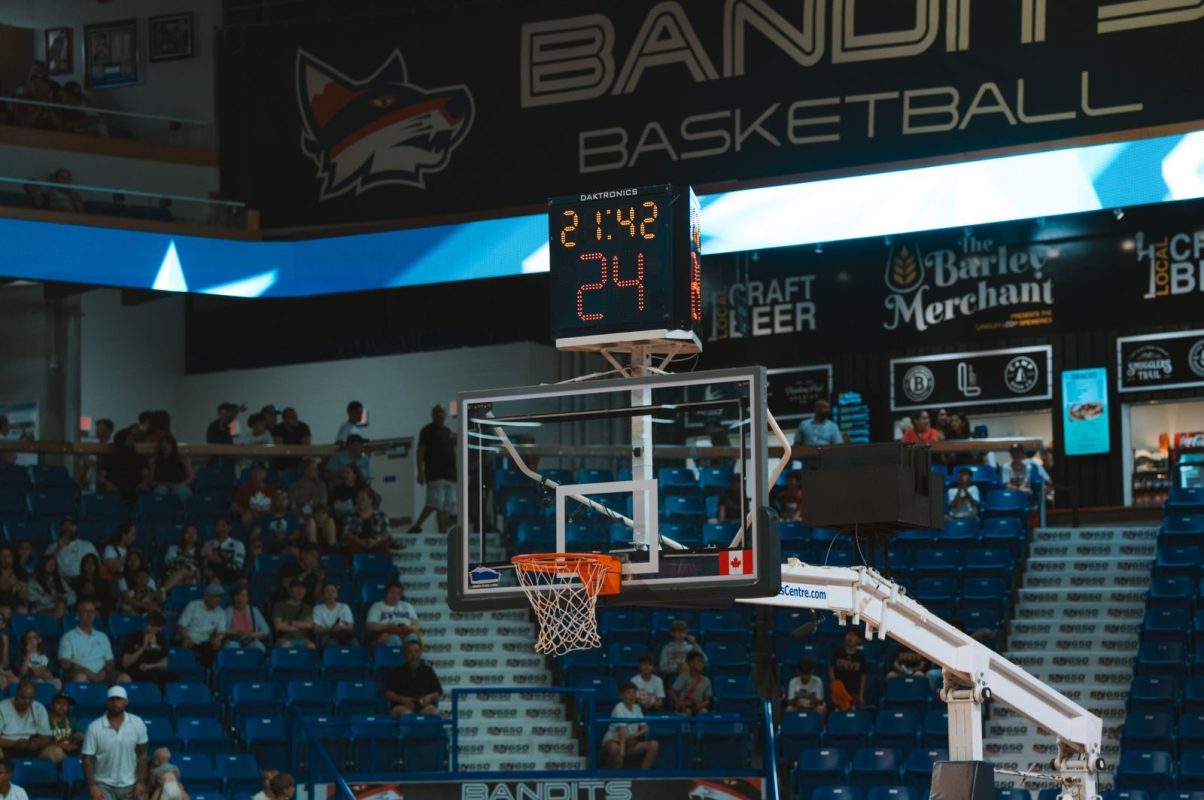
Close-up of a basketball hoop inside a stadium with a scoreboard and audience in the background.
Indoor Scoreboards
Electronic scoreboards designed for gymnasiums, arenas, and indoor athletic facilities with excellent visibility and control.

Scoreboard Selection Considerations

Selecting a scoreboard requires evaluating display visibility, sport compatibility, installation requirements, software capabilities, and long-term maintenance.

  • Display Technology
  • Sport Compatibility
  • Screen Size
  • Viewing Distance
  • Control System
  • Weather Resistance
  • Maintenance Requirements
  • Total Cost of Ownership

Recommended Applications

Scoreboards are designed for facilities of different sizes, sports, and competition levels, from school gyms to professional stadiums.

  • Schools
  • Universities
  • Municipal Parks
  • Sports Clubs
  • Indoor Arenas
  • Professional Stadiums

Best Practices

Proper installation, regular inspections, software updates, and preventive maintenance help maximize scoreboard performance, reliability, and service life.
  • Select displays with adequate brightness.
  • Verify compatibility with sport requirements.
  • Protect outdoor systems from weather exposure.
  • Perform routine software updates.
  • Inspect electrical components regularly.
  • Follow manufacturer maintenance schedules.

F.A.Q.

A sports scoreboard is an electronic display system used to show scores, game time, player information, and event data during sporting events.

Common types include LED scoreboards, video scoreboards, portable scoreboards, indoor scoreboards, outdoor scoreboards, and multi-sport systems.

Important considerations include display technology, brightness, viewing distance, sport compatibility, control systems, installation, maintenance, and total ownership cost.

LED scoreboards primarily display scores and timing information, while video scoreboards also support live video, graphics, advertising, and instant replay.

Outdoor scoreboards should provide sufficient brightness to remain visible in direct sunlight while maintaining energy efficiency.

Facilities should inspect displays, electrical systems, control hardware, and software regularly while following manufacturer maintenance schedules.

Yes. Many modern scoreboard systems support multiple sports through programmable software and interchangeable display layouts.

Yes. Many running tracks are integrated with football, soccer, and multi-purpose athletic fields while supporting recreational fitness activities.

Related Articles

Hello world!

Welcome to WordPress. This is your first post. Edit or delete it, then start writing!...