
Sports Flooring

Sports flooring systems provide safe, durable, and high-performance surfaces for schools, universities, fitness centers, recreation facilities, and professional sports venues. Compare flooring options based on sport compatibility, shock absorption, durability, maintenance, and long-term lifecycle value.

Sports Flooring Types

Sports flooring is available in different materials and surface systems to support specific sports, athlete safety, and facility requirements. Selecting the appropriate flooring improves performance, reduces injuries, and lowers long-term maintenance costs.
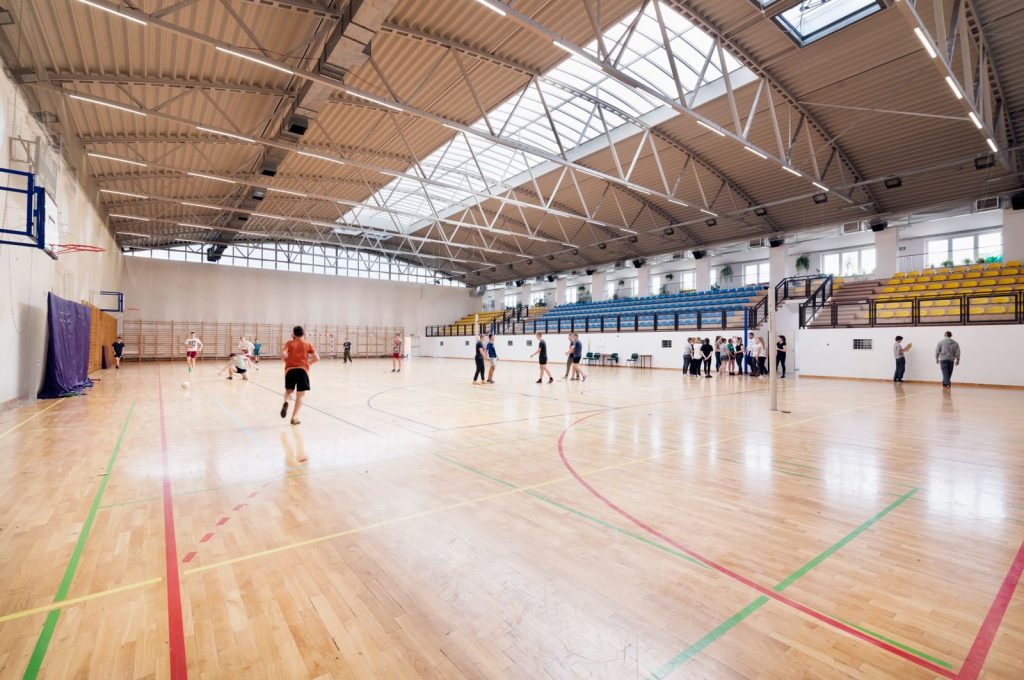
Wide-angle view of an indoor basketball court with players practicing and engaging in sports activities.
Hardwood Sports Flooring
Professional hardwood flooring designed for basketball, volleyball, badminton, and multi-purpose indoor sports facilities.
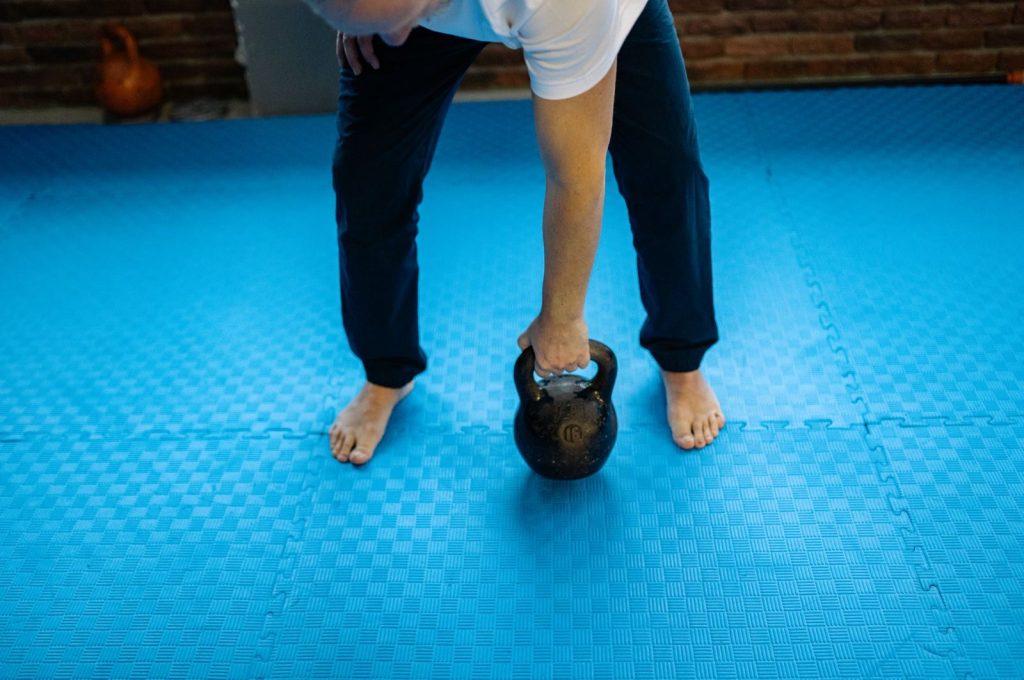
An adult man lifting a kettlebell on blue rubber mats indoors, emphasizing fitness and strength.
Rubber Sports Flooring
Shock-absorbing rubber flooring designed for weight rooms, fitness centers, training facilities, and functional fitness areas.
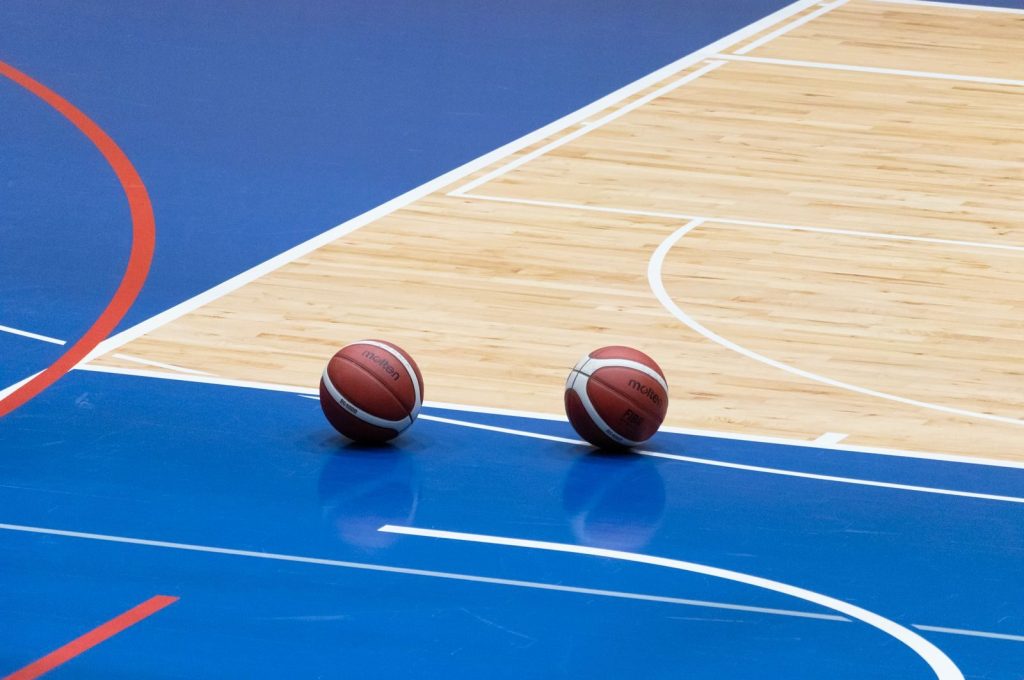
Two basketballs resting on a blue indoor basketball court with wooden flooring.
PVC Sports Flooring
Durable synthetic sports flooring suitable for schools, recreation centers, indoor courts, and multi-purpose sports facilities.
Empty indoor sports arena with hardwood flooring and bleachers, perfect for various sports activities.
Multi-Purpose Sports Flooring
Versatile flooring systems supporting multiple sports, physical education programs, community recreation, and event spaces.

Flooring Selection Considerations

Selecting sports flooring requires evaluating sport requirements, athlete safety, durability, installation methods, maintenance, and long-term ownership costs.

  • Sport Compatibility
  • Shock Absorption
  • Slip Resistance
  • Surface Durability
  • Maintenance Requirements
  • Installation Method
  • Expected Lifespan
  • Total Cost of Ownership

Recommended Applications

Sports flooring systems are designed for facilities of different sizes and activity levels, from school gymnasiums to professional sports venues.

  • Schools
  • Universities
  • Fitness Centers
  • Community Recreation Centers
  • Sports Clubs
  • Professional Indoor Arenas

Best Practices

Proper flooring selection, professional installation, routine cleaning, and preventive maintenance help improve athlete safety, maximize durability, and reduce long-term operating costs.
  • Select flooring designed for the intended sport.
  • Maintain proper cleaning schedules.
  • Inspect surface wear regularly.
  • Repair damaged flooring promptly.
  • Follow manufacturer maintenance recommendations.
  • Plan for long-term replacement cycles.

F.A.Q.

Sports flooring is a specialized surface system designed to improve athletic performance, safety, durability, and comfort for indoor and outdoor sports facilities.

Common options include hardwood flooring, rubber flooring, PVC flooring, polyurethane systems, and multi-purpose sports flooring.

Buyers should compare sport compatibility, shock absorption, slip resistance, durability, maintenance, installation requirements, and lifecycle costs.

Professional hardwood flooring is the most common choice for competitive basketball, while synthetic flooring may be preferred for multi-purpose facilities.

Commercial sports flooring generally lasts between 10 and 30 years depending on the material, usage, and maintenance program.

Routine cleaning, surface inspections, periodic repairs, and manufacturer-recommended maintenance help maximize flooring lifespan.

Yes. Sports flooring should comply with applicable safety, performance, and accessibility standards based on the intended sport and facility type.

Yes. Multi-purpose sports flooring is specifically designed to accommodate different sports, physical education programs, and community activities.

Related Articles

Hello world!

Welcome to WordPress. This is your first post. Edit or delete it, then start writing!...