
Energy Efficiency

Energy-efficient facility operations help reduce utility costs, improve sustainability, optimize building performance, and support long-term operational savings across indoor and outdoor sports facilities.

Energy Efficiency Solutions

Energy efficiency programs combine efficient equipment, smart controls, and building management strategies to reduce energy consumption while maintaining facility performance.
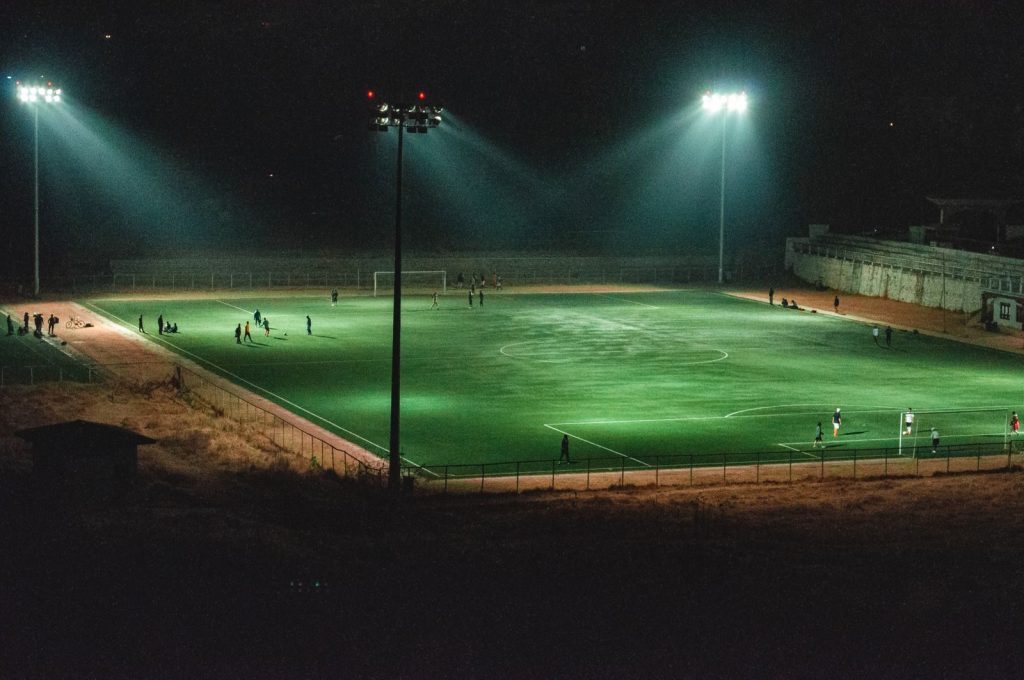
A vibrant nighttime soccer match in an illuminated stadium in Paro, Bhutan, captured from an elevated angle.
LED Lighting
Replace conventional lighting with high-efficiency LED systems that reduce energy consumption and improve visibility.
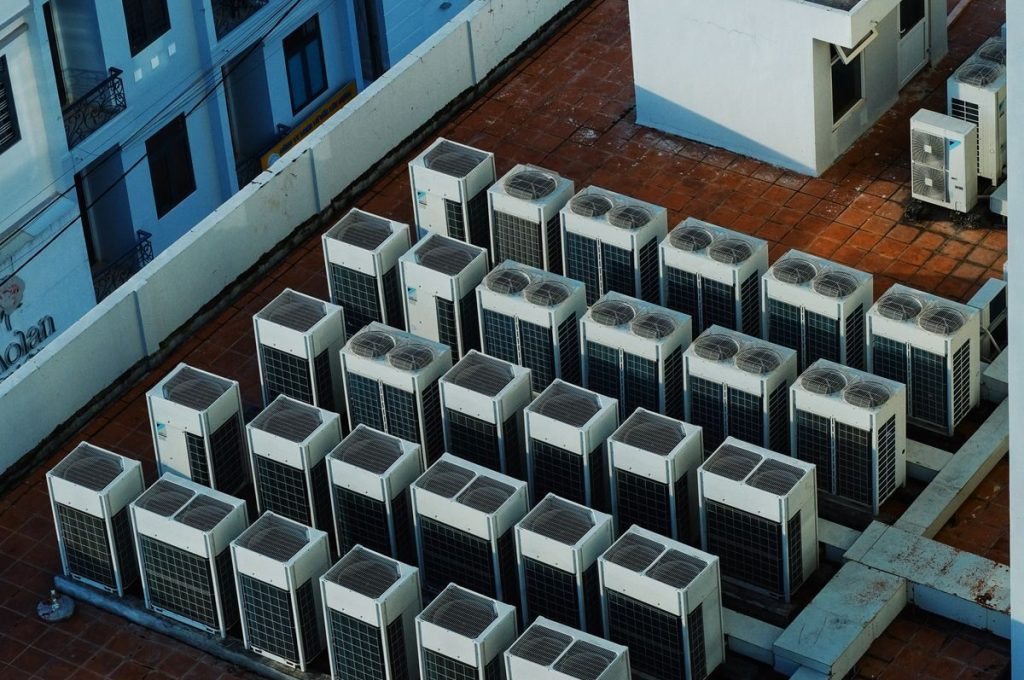
High angle view of rooftop HVAC units on a building in Buon Ma Thuot, Vietnam.
HVAC Optimization
Improve heating, ventilation, and air conditioning efficiency through routine maintenance and smart controls.
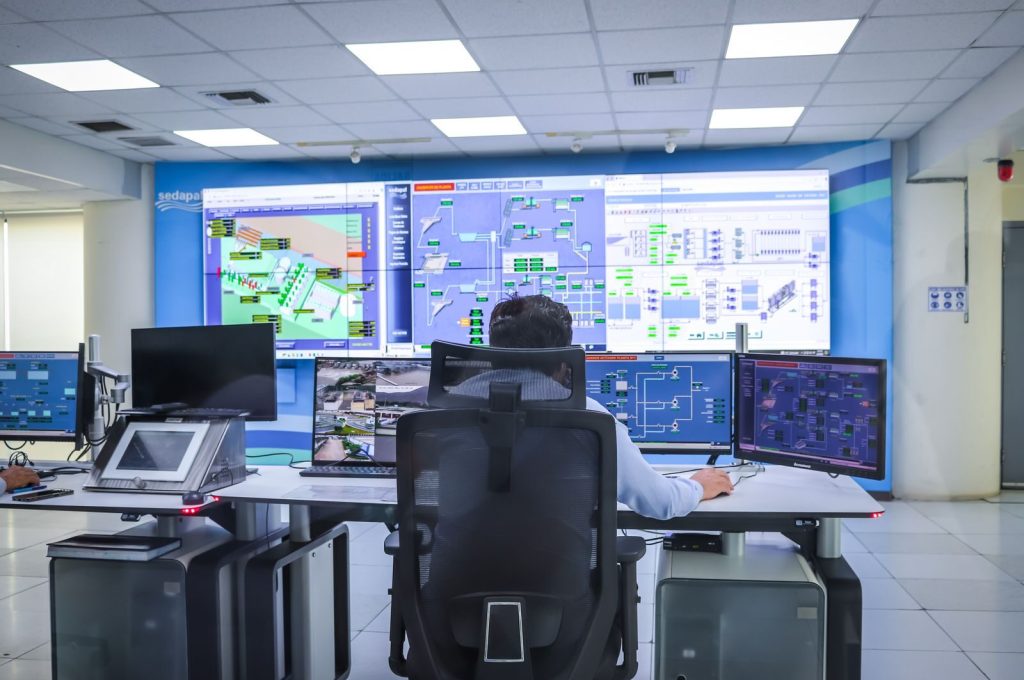
Operator in a modern control room managing technological systems in El Agustino, Lima.
Smart Energy Controls
Automate lighting, HVAC, and facility operations using intelligent control systems.
A high-tech command center with illuminated digital screens in a futuristic setting.
Energy Monitoring
Track utility consumption and identify opportunities for improved operational efficiency.

Energy Efficiency Considerations

Energy-efficient facility management reduces operating costs, supports sustainability initiatives, and improves long-term building performance through optimized equipment and energy management practices.

  • LED lighting upgrades
  • HVAC efficiency improvements
  • Building automation systems
  • Energy monitoring
  • Occupancy sensors
  • Preventive maintenance
  • Renewable energy integration
  • Utility cost analysis

Common Applications

Energy efficiency programs benefit sports facilities with high operating hours and significant lighting, HVAC, and utility demands.

  • Schools
  • Universities
  • Community Recreation Centers
  • Municipal Sports Facilities
  • Indoor Arenas
  • Fitness Centers
  • Sports Complexes
  • Stadiums

Best Practices for Energy Efficiency

Implementing efficient lighting, optimized HVAC systems, and smart building controls helps sports facilities reduce energy consumption, lower operating costs, and improve long-term sustainability.

  • Upgrade to energy-efficient LED lighting.
  • Schedule regular HVAC inspections.
  • Install occupancy sensors where appropriate.
  • Monitor utility usage regularly.
  • Optimize building automation settings.
  • Maintain mechanical equipment for peak efficiency.
  • Evaluate renewable energy opportunities.
  • Review energy performance annually.

F.A.Q.

Energy efficiency helps reduce utility costs, improve sustainability, and lower long-term operating expenses.

LED lighting, HVAC optimization, smart controls, and energy monitoring systems often deliver the largest improvements.

LED fixtures consume less electricity, require less maintenance, and typically have a longer service life than conventional lighting.

A building automation system (BAS) controls lighting, HVAC, and other building systems to improve energy efficiency and operational performance.

Most commercial HVAC systems should receive routine inspections several times per year, with preventive maintenance scheduled according to manufacturer recommendations.

Energy monitoring tracks electricity, gas, and utility consumption to identify inefficiencies and improve facility performance.

Solar panels and other renewable energy systems can help reduce electricity costs and support long-term sustainability goals.

Facilities should evaluate current energy usage, identify improvement opportunities, prioritize upgrades, monitor results, and review performance regularly.

Related Articles

Hello world!

Welcome to WordPress. This is your first post. Edit or delete it, then start writing!...