Explore Coaching Resources
Access coaching guides, leadership resources, equipment planning tools, safety checklists, athlete development references, and operational best practices designed for coaches and athletic leaders.
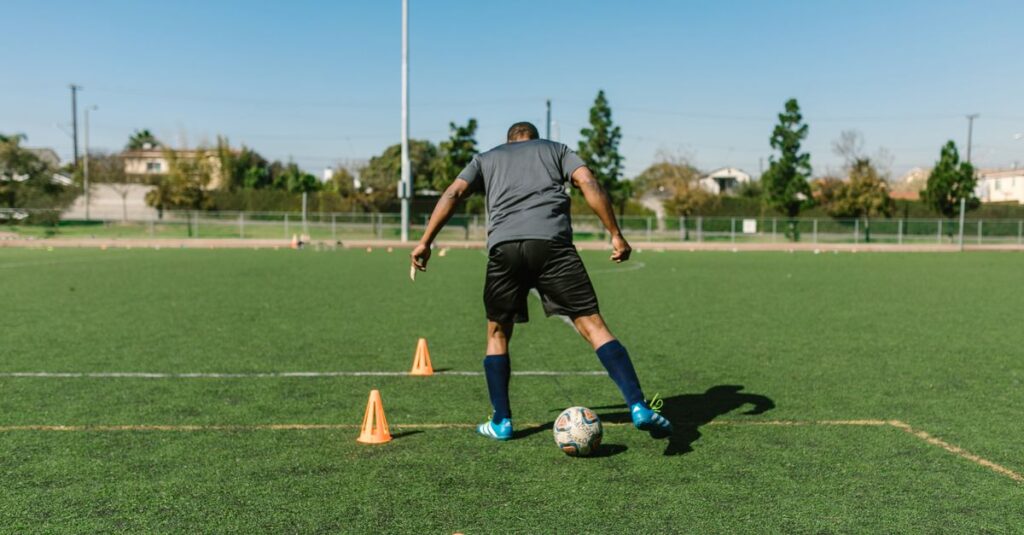

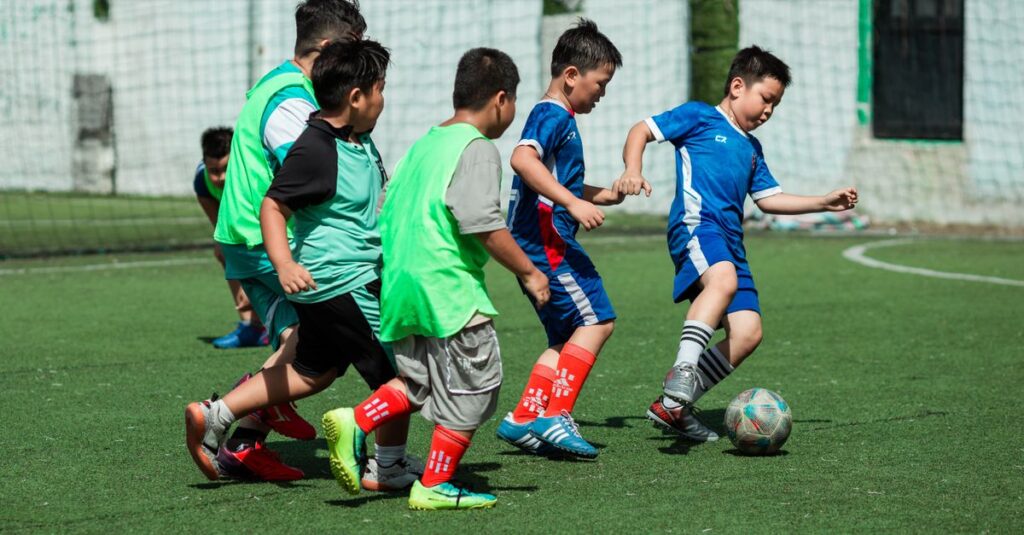
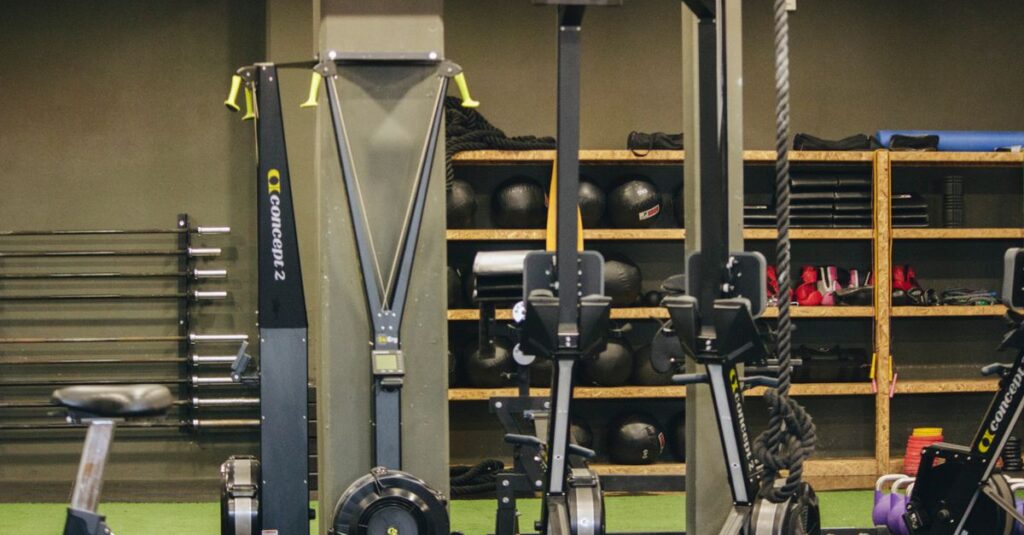
Successful coaching extends beyond athlete development. Coaches and athletic leaders are responsible for creating safe training environments, managing equipment, organizing practices, communicating with athletes, and supporting long-term program success.
Athletic leaders balance operational responsibilities with athlete development. Effective leadership requires planning, communication, resource management, and continuous program improvement.
A sports coach is responsible for planning training sessions, developing athlete skills, promoting safety, managing team equipment, organizing practices and competitions, and supporting both individual and team performance. Coaching responsibilities may also include communication with athletes, parents, administrators, and other staff members depending on the organization.
Coaches should regularly inspect equipment for wear or damage, maintain accurate inventories, schedule routine maintenance, and replace equipment that no longer meets safety or performance requirements. Organized equipment management helps reduce injuries, extends product life, and supports efficient team operations.
Successful coaches demonstrate communication, organization, decision-making, problem-solving, accountability, and team-building skills. Effective leadership also includes creating positive team culture, motivating athletes, resolving conflicts, and adapting training plans to changing circumstances.
Athlete development is supported through structured training plans, progressive skill development, regular performance evaluation, injury prevention practices, and consistent communication. Coaches should balance technical instruction, physical conditioning, mental preparation, and recovery throughout the season.
Coaches are responsible for providing safe practice environments, inspecting equipment before use, monitoring weather and facility conditions, enforcing safety procedures, responding to emergencies, and following organizational and governing body guidelines to reduce injury risks.
Preparation typically includes evaluating existing equipment, developing practice schedules, reviewing safety procedures, organizing team rosters, communicating expectations, planning competitions, and coordinating facility availability. Early planning helps improve program organization and reduces operational challenges during the season.
Equipment inspections should include goals, nets, protective padding, balls, training equipment, portable structures, storage systems, first aid supplies, and any specialized equipment used during practice or competition. Damaged equipment should be repaired or replaced before use.
Athletic directors oversee budgeting, facility scheduling, equipment procurement, staffing, compliance, and long-term program planning. They provide administrative support that enables coaches to focus on athlete development and daily team operations.
Positive team culture is built through clear expectations, respectful communication, consistent leadership, accountability, teamwork, sportsmanship, and recognition of athlete effort and achievement. A supportive environment encourages participation, trust, and long-term athlete development.
Strong leadership improves communication, decision-making, program organization, athlete experience, staff collaboration, and long-term program success. Effective leaders help create safe, well-managed sports environments that support both athletic performance and organizational goals.