Explore YMCA Resources
Access YMCA program guides, youth development resources, aquatics management references, wellness planning tools, facility operations guides, and community engagement best practices.
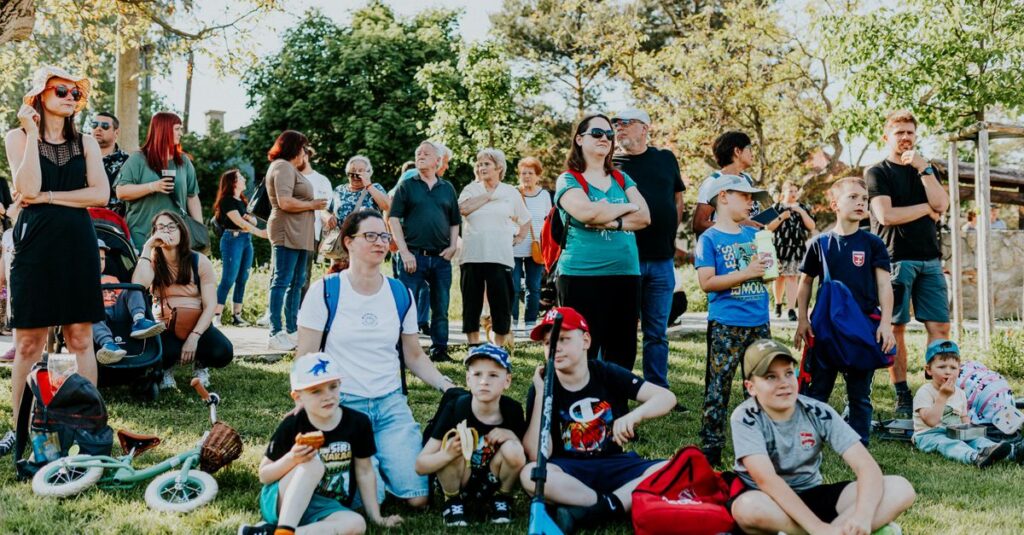
YMCA organizations strengthen communities by promoting youth development, healthy living, and social responsibility. Effective program planning supports safe facilities, community participation, and sustainable organizational growth.
YMCA branches coordinate youth programs, fitness services, aquatics, facility management, staff development, volunteer engagement, and community partnerships throughout the year.
YMCA branches commonly provide youth sports, aquatics, fitness programs, wellness services, childcare, after-school activities, summer camps, family recreation, senior wellness, and community education programs.
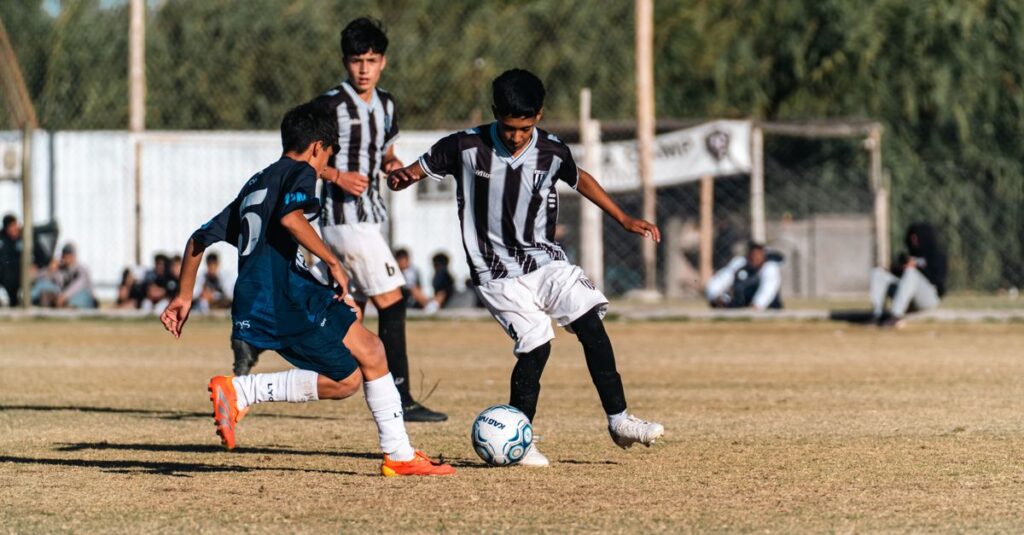
Youth development programs focus on sports participation, leadership skills, healthy lifestyles, teamwork, confidence building, academic support, and positive social experiences.
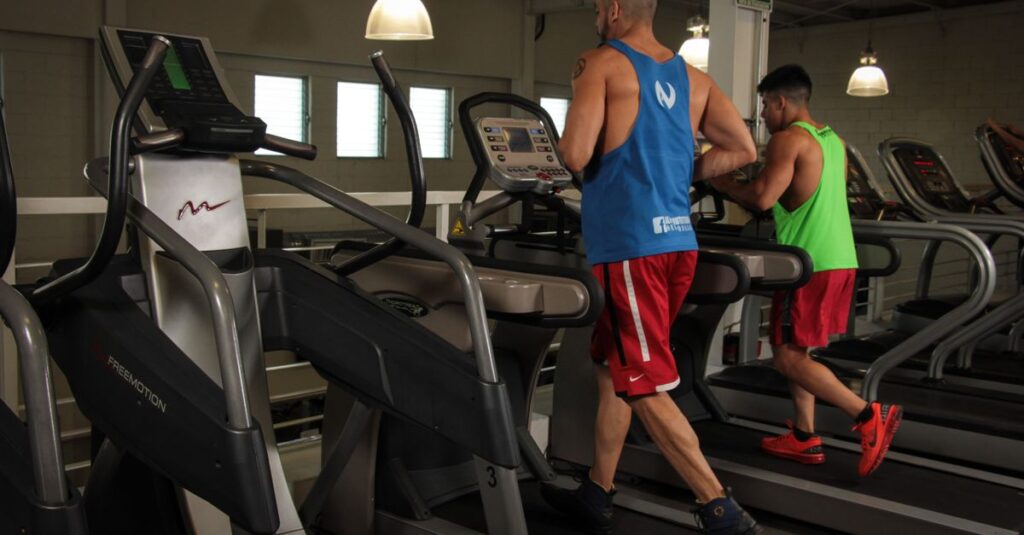
Wellness programs encourage healthy living through fitness training, group exercise, nutrition education, disease prevention initiatives, and community health services that benefit participants of all ages.
YMCA facilities often include fitness centers, swimming pools, gymnasiums, indoor courts, multipurpose rooms, childcare spaces, locker rooms, outdoor recreation areas, and wellness centers.
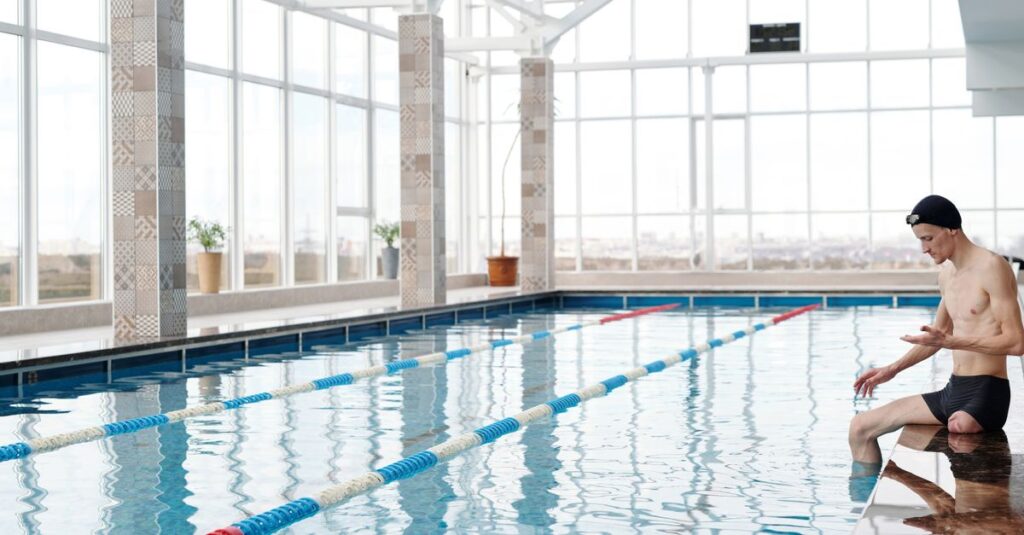
Aquatics management includes certified lifeguards, water safety training, preventive maintenance, pool inspections, emergency preparedness, scheduling, and community swim programming.
Participation may grow through youth sports, family activities, volunteer opportunities, partnerships with schools, inclusive programming, financial assistance initiatives, and community outreach.
Volunteers support coaching, mentoring, fundraising, community events, youth activities, administrative tasks, and local outreach while strengthening community engagement.
Equipment planning should consider participant demand, program diversity, facility capacity, maintenance costs, safety standards, accessibility, and long-term replacement planning.
Program success may be measured through participation levels, member retention, community engagement, financial sustainability, program outcomes, volunteer involvement, and participant satisfaction.
Long-term success depends on strong leadership, community partnerships, sustainable funding, quality staff, effective facility management, inclusive programming, and continuous investment in youth development and healthy living initiatives.