Facility Resources
Access facility planning guides, equipment recommendations, maintenance resources, operational references, and best practices for recreation center management.
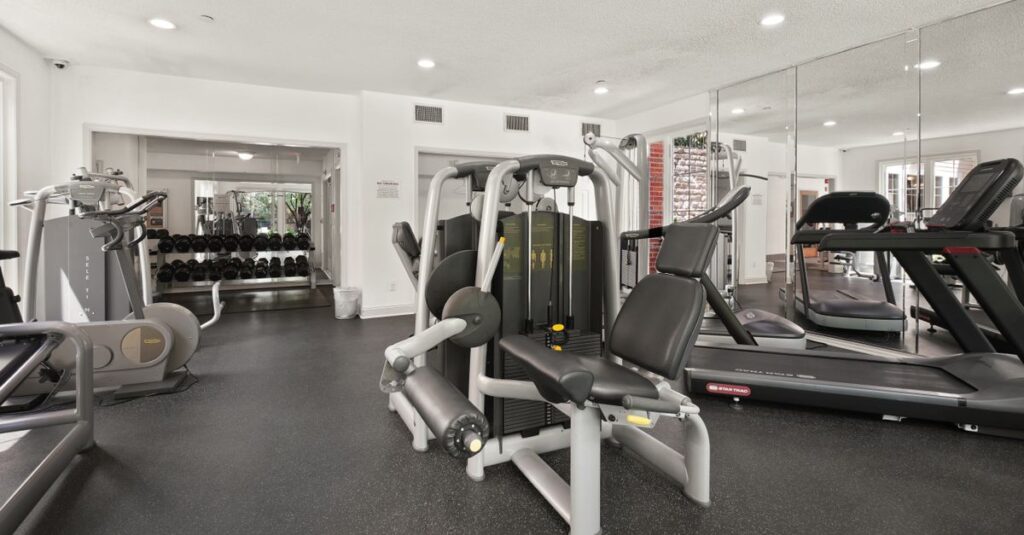
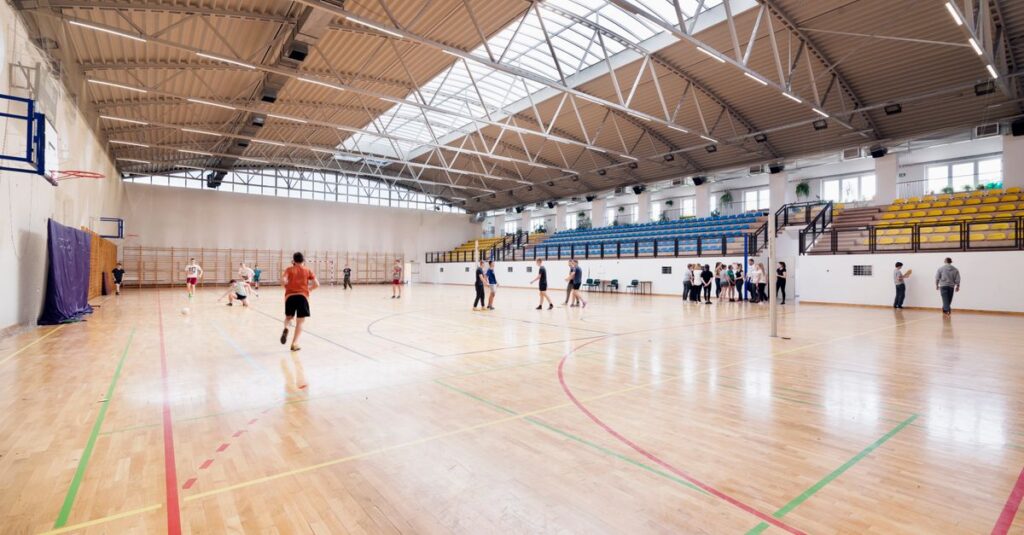


Recreation centers are designed to provide safe, accessible, and flexible environments that encourage physical activity, community engagement, and lifelong wellness.
Successful recreation centers balance facility planning, equipment management, programming, maintenance, and operational efficiency to meet changing community needs.
Recreation centers typically include gymnasiums, fitness centers, indoor courts, swimming pools, walking tracks, multi-purpose rooms, outdoor recreation areas, and community meeting spaces. Facility layouts vary depending on community needs and available space.
Most recreation centers support basketball, volleyball, badminton, pickleball, fitness classes, swimming, youth sports, senior wellness programs, and community events. Many facilities also provide spaces for educational and recreational activities.
Equipment selection is based on facility size, user demographics, activity requirements, expected usage, safety standards, maintenance needs, and available budget. Long-term durability and lifecycle cost are also important considerations.
Facility planning typically considers community demand, available space, accessibility, operational efficiency, program flexibility, and future expansion opportunities. Planning often includes both indoor and outdoor activity areas.
Preventive maintenance helps reduce equipment downtime, improve user safety, extend equipment lifespan, lower repair costs, and maintain consistent facility operations throughout the year.
Recreation centers should comply with applicable building codes, accessibility requirements, sports equipment standards, emergency preparedness procedures, and routine inspection practices to provide a safe environment for visitors.
Operational efficiency can be improved through effective scheduling, equipment lifecycle planning, preventive maintenance programs, staff training, digital facility management systems, and regular performance evaluations.
Recreation centers promote physical activity, social interaction, youth development, healthy aging, and inclusive recreational opportunities through sports programs, fitness services, educational activities, and community events.
Renovation decisions are commonly influenced by facility condition, changing community needs, participation levels, equipment replacement cycles, safety improvements, accessibility upgrades, and available funding.
Facility performance is often evaluated using participation rates, program enrollment, equipment utilization, maintenance records, customer satisfaction, operational efficiency, and long-term asset performance.