Equipment Innovation

Explore emerging technologies transforming sports equipment across schools, universities, recreation centers, and athletic facilities. Learn how innovations in smart equipment, advanced materials, digital training systems, and sustainable design are improving performance, safety, durability, and long-term operational value.

Emerging Equipment Technologies

Sports equipment manufacturers continue introducing new technologies that improve training performance, safety, durability, and operational efficiency across athletic facilities.
Stylish gym interior showcasing fitness equipment and contemporary lighting design.
Smart Sports Equipment
Connected sensors, IoT devices, and real-time performance tracking are becoming increasingly common in athletic equipment.
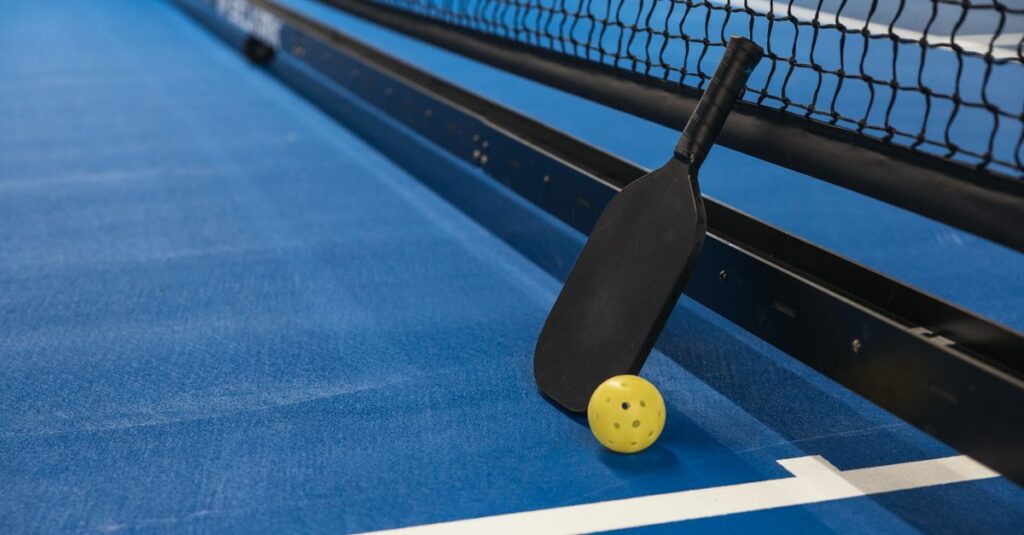
Pickleball paddle resting against net with yellow ball on blue court
Advanced Materials
Carbon fiber, composite materials, lightweight alloys, and recycled materials improve durability while reducing equipment weight.
Team of athletes playing volleyball in an indoor court during a casual match.
Athlete Performance Technology
Modern equipment integrates biomechanics, motion analysis, and performance monitoring to support training and player development.
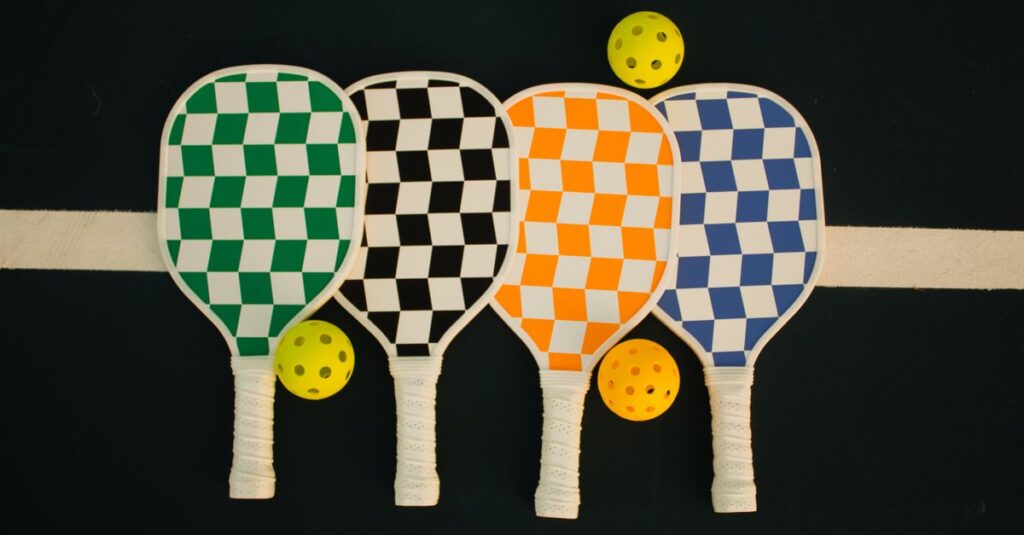
Four checkerboard-patterned pickleball paddles with wiffle balls on a sports court.
Sustainable Equipment Design
Manufacturers increasingly adopt recyclable materials, energy-efficient production, and environmentally responsible product design.

Current Innovation Trends

Sports equipment innovation is driven by advances in technology, engineering, digital connectivity, and sustainable manufacturing. Organizations increasingly evaluate equipment that delivers measurable performance improvements while reducing maintenance costs and supporting long-term operational efficiency.

  • Smart connected equipment
  • AI-assisted performance analysis
  • Wearable technology integration
  • Digital training systems
  • Lightweight composite materials
  • Enhanced equipment durability
  • Improved safety engineering
  • Sustainable manufacturing practices

Innovation Benefits

Modern equipment innovations provide benefits beyond athletic performance. Institutions also consider operational efficiency, lifecycle value, maintenance requirements, safety improvements, and environmental sustainability when evaluating new technologies.

  • Improved athlete performance
  • Enhanced player safety
  • Lower maintenance requirements
  • Longer equipment lifespan
  • Reduced lifecycle costs
  • Greater facility efficiency
  • Improved equipment reliability
  • Support for sustainability initiatives

Innovation Resources

Access industry resources covering emerging technologies, product development, equipment engineering, innovation trends, technical standards, and future market developments to support informed equipment planning.

F.A.Q.

Equipment innovation refers to the development of new technologies, materials, manufacturing methods, and product designs that improve sports equipment performance, safety, durability, and operational efficiency.

Innovation helps organizations improve athlete performance, enhance safety, reduce maintenance costs, increase equipment lifespan, and support more efficient facility operations.

Current innovations include:

  • Smart sensors
  • Internet of Things (IoT)
  • Artificial intelligence
  • Motion analysis
  • Wearable technology
  • Digital coaching systems
  • Advanced manufacturing

Smart equipment uses embedded sensors and connected technologies to collect performance data, monitor equipment usage, and provide real-time insights for athletes, coaches, and facility managers.

Manufacturers increasingly use:

  • Carbon fiber
  • Composite materials
  • Engineered plastics
  • Aluminum alloys
  • Recycled materials
  • High-performance polymers

These materials improve strength while reducing weight.

Modern designs improve shock absorption, structural stability, impact resistance, surface performance, and compliance with recognized safety standards, helping reduce injury risks.

Manufacturers increasingly focus on recyclable materials, environmentally responsible production, longer product lifecycles, reduced waste, and lower environmental impact throughout manufacturing and distribution.

Organizations typically compare:

  • Performance improvements
  • Safety certifications
  • Product durability
  • Maintenance requirements
  • Warranty coverage
  • Lifecycle cost
  • Vendor support
  • Compatibility with existing facilities

Future developments may include AI-assisted coaching systems, predictive equipment maintenance, robotics integration, digital facility management, improved biomaterials, and increasingly connected athletic environments.

Organizations can stay informed through manufacturer technical documentation, industry reports, equipment testing publications, trade shows, engineering research, procurement resources, and professional sports equipment organizations.

Related Articles

Hello world!

Welcome to WordPress. This is your first post. Edit or delete it, then start writing!...