Future of Sports Equipment

Explore how emerging technologies, artificial intelligence, smart facilities, robotics, sustainable manufacturing, and digital ecosystems are shaping the next generation of sports equipment and athletic environments.

Future Industry Developments

The sports equipment industry is expected to evolve through advances in artificial intelligence, automation, digital connectivity, advanced manufacturing, and sustainability. These developments will influence how organizations purchase, manage, and use athletic equipment in the coming decade.
Stylish gym interior showcasing fitness equipment and contemporary lighting design.
AI-Powered Equipment
Artificial intelligence will enable sports equipment to provide real-time coaching, predictive analytics, automated performance feedback, and personalized training experiences.
Close-up of a modern control panel in an Istanbul office with buttons and switches.
Connected Athletic Facilities
Future facilities will integrate equipment, sensors, inventory systems, and facility management platforms into connected digital environments.
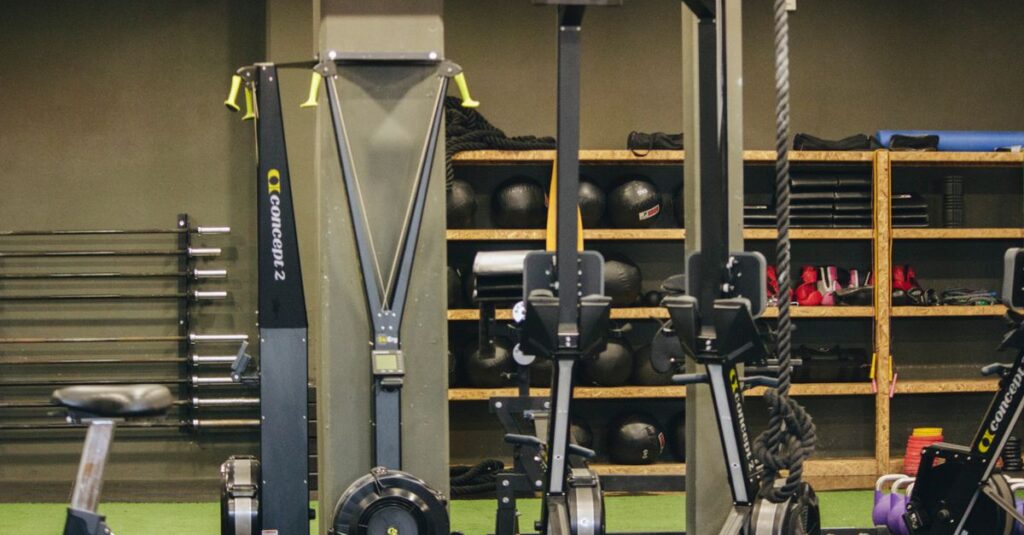
Modern gym with exercise equipment including rowing and ski machines, weights, and ropes.
Robotics & Automation
Automation may improve equipment manufacturing, facility maintenance, inventory management, and training support.
High-energy slam dunk action at a basketball game in Abu Dhabi, UAE.
Sustainable Future Design
Future equipment is expected to incorporate recyclable materials, modular construction, renewable energy solutions, and circular manufacturing principles.

Future Technology Trends

Emerging technologies are expected to transform sports equipment over the next decade. Artificial intelligence, robotics, digital connectivity, and advanced manufacturing will continue improving athlete performance, operational efficiency, and equipment lifecycle management.

  • Artificial intelligence integration
  • Smart connected equipment
  • Digital facility ecosystems
  • Predictive maintenance systems
  • Robotics and automation
  • Advanced manufacturing technologies
  • Sustainable product development
  • Data-driven equipment management

Long-Term Industry Impact

Future innovations will influence not only athletic performance but also procurement strategies, facility planning, equipment management, sustainability initiatives, and long-term operational efficiency across educational and commercial sports organizations.

  • Higher operational efficiency
  • Improved athlete development
  • Lower lifecycle costs
  • Smarter procurement decisions
  • More sustainable facilities
  • Predictive equipment management
  • Greater digital integration
  • Long-term investment value

Future Resources

Access forecasts, technology outlooks, innovation reports, equipment trend analysis, future facility planning resources, and industry research.


F.A.Q.

The future of sports equipment is expected to be shaped by artificial intelligence, connected technologies, advanced materials, digital analytics, and sustainable manufacturing practices.

Artificial intelligence may support performance analysis, personalized coaching, predictive maintenance, and smarter equipment management.

Connected equipment can collect real-time performance data, improve maintenance planning, and enhance athlete training experiences.

Robotics may improve manufacturing efficiency, quality control, equipment maintenance, and automated facility operations.

Yes. Manufacturers are increasingly investing in recyclable materials, environmentally responsible production, and longer-lasting equipment designs.

Facilities are expected to integrate connected equipment, digital monitoring systems, automated maintenance, and smart facility management technologies.

Future developments may include:

  • Artificial intelligence
  • Robotics
  • Internet of Things
  • Digital twins
  • Smart materials
  • Wearable technologies
  • Predictive analytics
  • Advanced manufacturing

Organizations should monitor industry trends, evaluate emerging technologies, plan long-term investments, and consider lifecycle value when making purchasing decisions.

Key challenges include technology adoption, investment costs, cybersecurity, sustainability requirements, interoperability, and evolving industry standards.

Organizations can follow industry reports, research institutions, manufacturer publications, engineering conferences, and professional sports technology organizations.

Related Articles

Hello world!

Welcome to WordPress. This is your first post. Edit or delete it, then start writing!...