Equipment Lifecycle Planning

Manage sports equipment throughout its complete lifecycle by planning acquisition, utilization, maintenance, inspections, replacement schedules, asset condition monitoring, and end-of-life decisions.

Equipment Lifecycle Framework

Equipment lifecycle planning helps organizations maximize asset value by managing every stage of ownership, improving maintenance efficiency, extending service life, and supporting long-term procurement decisions.
Two couriers load boxes into a van for shipment, showcasing logistics and teamwork.
Equipment Acquisition
Plan equipment purchases based on organizational needs, available budgets, facility requirements, and procurement priorities.
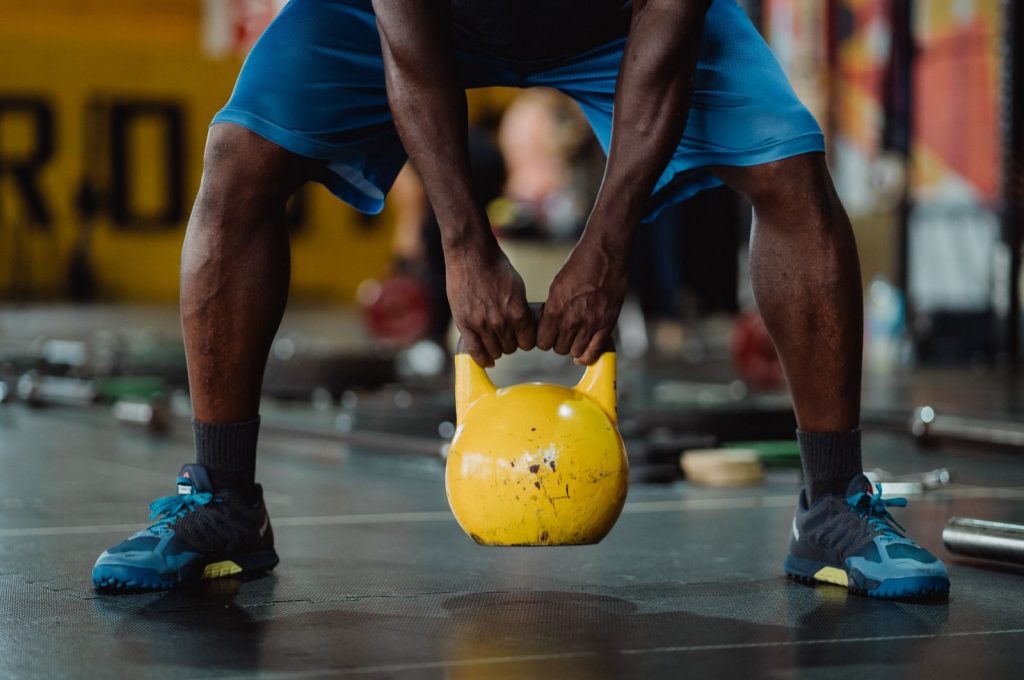
Focused workout scene of athlete lifting a yellow kettlebell in the gym.
Equipment Utilization
Monitor equipment usage, availability, and utilization rates to improve operational efficiency.
Side view of adult bearded mechanic in black workwear checking metal details while working in spacious modern hangar
Maintenance & Inspection
Schedule preventive maintenance and inspections to reduce downtime and extend equipment lifespan.
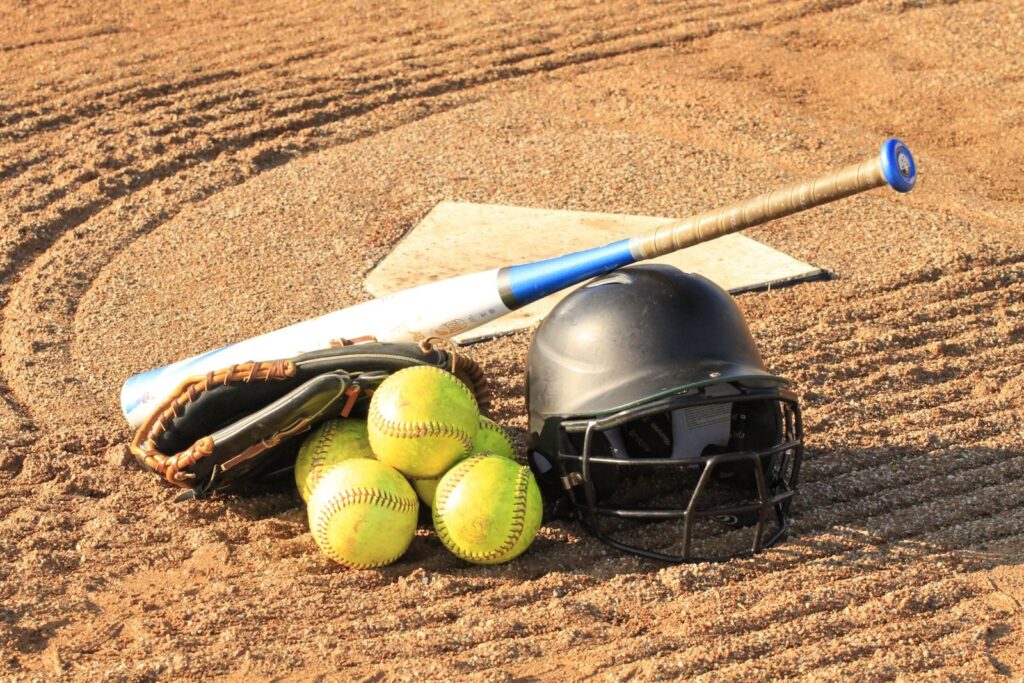
Close-up of baseball and softball gear on a dirt field, ready for a game.
Replacement Planning
Use lifecycle data and condition assessments to determine the optimal time for equipment replacement.

Equipment Lifecycle Components

Equipment lifecycle planning integrates acquisition, utilization, maintenance, condition assessment, replacement planning, and retirement strategies to maximize equipment performance and long-term value.

  • Equipment acquisition planning
  • Asset deployment
  • Equipment utilization monitoring
  • Preventive maintenance
  • Condition assessment
  • Lifecycle forecasting
  • Replacement scheduling
  • Asset retirement planning

Benefits of Equipment Lifecycle Planning

Lifecycle planning helps organizations improve equipment reliability, reduce maintenance costs, extend service life, and support data-driven procurement decisions.

  • Longer equipment lifespan
  • Reduced maintenance costs
  • Lower equipment downtime
  • Improved asset utilization
  • Better replacement planning
  • Higher operational efficiency
  • Improved procurement decisions
  • Reduced total ownership costs

Equipment Lifecycle Resources

Access lifecycle planning guides, maintenance schedules, inspection checklists, replacement planning tools, equipment condition assessment resources, and lifecycle management best practices.

F.A.Q.

Equipment lifecycle planning is the process of managing sports equipment from acquisition through operation, maintenance, replacement, and retirement. It helps organizations maximize equipment value, improve operational efficiency, reduce ownership costs, and support long-term procurement planning.

Lifecycle planning allows organizations to make informed purchasing decisions, extend equipment lifespan, reduce unexpected failures, improve budgeting accuracy, and ensure equipment remains safe, reliable, and compliant throughout its service life.

A typical equipment lifecycle includes:

  • Planning and needs assessment
  • Procurement and acquisition
  • Installation and deployment
  • Daily operation
  • Preventive maintenance
  • Inspection and condition monitoring
  • Repair and refurbishment
  • Replacement planning
  • Disposal or recycling

Each stage contributes to long-term equipment performance and cost management.

Lifecycle planning reduces costs by minimizing emergency repairs, extending equipment lifespan through preventive maintenance, improving replacement timing, reducing downtime, and avoiding unnecessary purchases.

Several factors influence equipment lifespan, including:

  • Frequency of use
  • Environmental conditions
  • Equipment quality
  • Preventive maintenance
  • Storage conditions
  • User training
  • Manufacturer recommendations
  • Inspection frequency

Proper management helps maximize the useful life of sports equipment.

Inspection frequency depends on equipment type, usage intensity, manufacturer guidelines, and applicable safety standards. High-use equipment should receive routine visual inspections and scheduled comprehensive evaluations throughout the year.

Preventive maintenance involves scheduled inspections, cleaning, lubrication, adjustments, testing, and minor repairs performed before equipment failures occur. This approach improves reliability, extends equipment life, and reduces unexpected downtime.

Lifecycle planning provides valuable information about equipment age, condition, maintenance history, utilization, and replacement forecasts. Procurement teams use this data to prioritize purchases, allocate budgets, and schedule future investments more effectively.

Replacement decisions should consider:

  • Equipment age
  • Physical condition
  • Safety risks
  • Maintenance costs
  • Utilization levels
  • Manufacturer recommendations
  • Availability of replacement parts
  • Current safety standards

Organizations should replace equipment before declining performance affects safety or operations.

Many organizations use digital tools such as:

  • Asset management software
  • Computerized Maintenance Management Systems (CMMS)
  • Barcode tracking
  • QR code inventory systems
  • RFID asset tracking
  • Mobile inspection applications
  • Inventory management platforms
  • Equipment maintenance databases

These technologies improve tracking accuracy and support data-driven decision-making.

Organizations often monitor:

  • Equipment lifespan
  • Asset utilization rate
  • Preventive maintenance completion rate
  • Equipment downtime
  • Maintenance cost per asset
  • Failure frequency
  • Replacement cycle
  • Inspection compliance rate
  • Total Cost of Ownership (TCO)
  • Return on Investment (ROI)

These metrics help evaluate equipment performance and guide future planning.

Effective lifecycle planning improves equipment availability, supports preventive maintenance, reduces operational disruptions, optimizes replacement schedules, and aligns procurement decisions with long-term facility management goals. This results in safer facilities, better resource utilization, and more sustainable operational performance.

Asset management focuses on tracking, organizing, and controlling equipment assets across an organization. Equipment lifecycle planning focuses specifically on managing each asset through every stage of its usable life—from acquisition and maintenance to replacement and retirement. Lifecycle planning is a key component of a broader asset management strategy.

Organizations can extend equipment lifespan by:

  • Performing regular inspections
  • Following preventive maintenance schedules
  • Training staff on proper equipment use
  • Storing equipment correctly
  • Repairing minor issues before they become major failures
  • Monitoring equipment utilization
  • Replacing worn components promptly
  • Following manufacturer maintenance recommendations

Consistent lifecycle management reduces long-term ownership costs while maintaining equipment safety and performance.

Related Articles

Hello world!

Welcome to WordPress. This is your first post. Edit or delete it, then start writing!...