Sports Equipment Buying Guides

Access practical buying guides to help schools, universities, municipalities, recreation centers, and sports organizations compare equipment, evaluate suppliers, understand specifications, and make informed purchasing decisions.

Featured Buying Guide Topics

Browse essential buying guide topics covering equipment selection, supplier evaluation, budgeting, and product comparison. These resources help procurement teams identify the right equipment based on performance, safety, lifecycle cost, and operational requirements.
Outdoor basketball hoop and backboard under a clear blue sky in Lake Elsinore, CA.
Equipment Selection
Understand equipment types, applications, specifications, and performance considerations before making purchasing decisions.
High angle of crop faceless coworkers in formal clothes sitting at wooden table with documents and fresh coffee while having meeting
Vendor Evaluation
Compare suppliers based on product quality, certifications, pricing, delivery capability, warranties, and customer support.
Calculator placed on financial graphs and reports showcasing data analysis and business documentation.
Budget Planning
Estimate project costs, evaluate lifecycle expenses, and balance equipment quality with available procurement budgets.
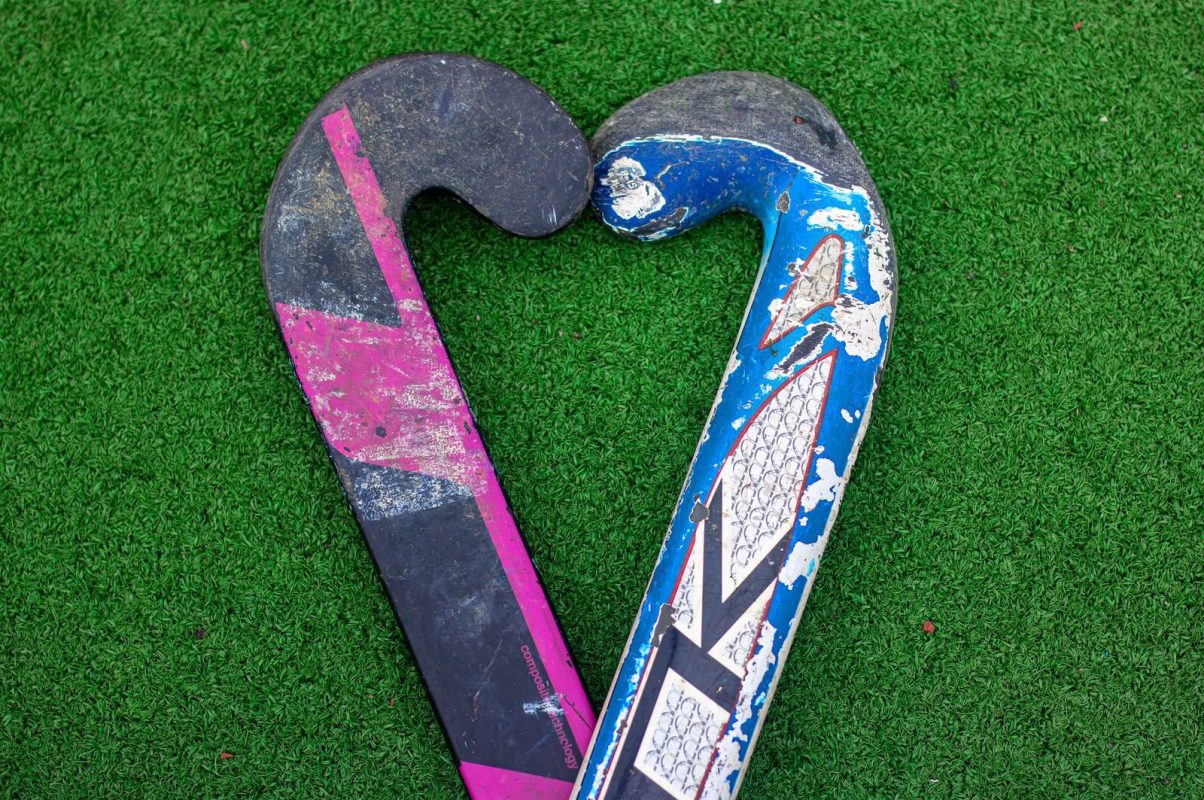
Two field hockey sticks forming a heart shape on green turf.
Product Comparisons
Compare equipment options, materials, features, durability, and long-term maintenance requirements.

Key Buying Considerations

Successful sports equipment purchasing involves evaluating more than product pricing. Procurement teams should assess performance, safety, installation, maintenance, lifecycle costs, and supplier reliability before making investment decisions.

  • Equipment performance
  • Safety compliance
  • Installation requirements
  • Maintenance needs
  • Lifecycle cost
  • Warranty coverage
  • Supplier reliability
  • Replacement planning

Benefits of Structured Buying Guides

Using structured buying guides helps organizations reduce procurement risk, improve purchasing efficiency, and maximize long-term equipment value across schools, athletic facilities, and recreational programs.

  • Improve purchasing decisions
  • Reduce lifecycle costs
  • Compare products objectively
  • Support procurement planning
  • Improve budget allocation
  • Reduce maintenance expenses
  • Enhance operational efficiency
  • Increase long-term equipment value

Buying Guide Resources

Access additional procurement resources including equipment planning documents, purchasing checklists, comparison tools, maintenance references, and technical documentation to support every stage of the buying process.

F.A.Q.

A sports equipment buying guide is a resource that helps organizations evaluate, compare, and select equipment based on performance, safety, durability, budget, and operational needs. It supports informed purchasing decisions for schools, universities, municipalities, recreation centers, and sports facilities.

Buying guides provide structured information that helps buyers compare products objectively, understand technical specifications, estimate lifecycle costs, and reduce procurement risks before making purchasing decisions.

Key considerations include:

  • Intended sport and level of play
  • Safety standards and certifications
  • Product durability
  • Installation requirements
  • Maintenance needs
  • Warranty coverage
  • Lifecycle cost
  • Available budget
  • Supplier reliability

Start by evaluating the facility type, user age group, competition level, available space, budget, and applicable safety requirements. Equipment should match both current operational needs and long-term facility goals.

Product price refers to the initial purchase cost, while lifecycle cost includes installation, maintenance, repairs, inspections, replacement parts, and expected service life. Evaluating lifecycle cost provides a more accurate picture of long-term investment value.

Durable equipment generally requires fewer repairs, lasts longer, and reduces maintenance costs. Selecting products designed for the intended level of use can improve operational efficiency and reduce long-term replacement expenses.

Safety standards help verify that equipment meets recognized industry requirements for design, testing, and performance. Purchasing compliant equipment helps reduce operational risks and supports safer environments for athletes and participants.

Common comparison factors include:

  • Material quality
  • Structural design
  • Performance features
  • Safety compliance
  • Warranty terms
  • Maintenance requirements
  • Expected lifespan
  • Replacement part availability
  • Total ownership cost

Supplier evaluation helps organizations identify vendors capable of delivering reliable products, consistent quality, responsive customer service, and long-term technical support throughout the equipment lifecycle.

Organizations commonly ask about:

  • Product certifications
  • Manufacturing standards
  • Warranty coverage
  • Installation services
  • Replacement parts availability
  • Lead times
  • Maintenance recommendations
  • Technical documentation
  • Customer support

Warranty coverage can reduce repair costs, improve equipment reliability, and provide additional confidence in product quality. Buyers should review warranty duration, covered components, service procedures, and exclusions before purchasing.

Maintenance requirements directly affect operational costs and equipment longevity. Products that are easier to inspect, clean, and maintain often provide better long-term value.

Organizations often establish evaluation criteria that include product quality, pricing, delivery capability, certifications, customer support, warranty policies, technical expertise, and previous project experience.

Common evaluation criteria include:

  • Product quality and technical capabilities
  • Industry experience and references
  • Manufacturing capacity
  • Delivery performance
  • Financial stability
  • Pricing and total value
  • Regulatory compliance and certifications
  • Customer service and technical support
  • Sustainability practices
  • Risk profile and business continuity

Many organizations use standardized vendor scorecards or weighted evaluation matrices to compare suppliers consistently and support transparent procurement decisions.

Toggle Content
Installation requirements influence project timelines, labor costs, safety compliance, and long-term equipment performance. Buyers should understand site preparation, installation procedures, and ongoing inspection requirements before purchasing.

Replacement schedules depend on equipment type, frequency of use, maintenance practices, manufacturer recommendations, and inspection results. Regular evaluations help determine when replacement becomes more cost-effective than continued maintenance.

Organizations commonly prepare or review:

  • Equipment specifications
  • Procurement checklists
  • Budget plans
  • Product comparison sheets
  • Technical data sheets
  • Installation guides
  • Maintenance manuals
  • Warranty documentation
  • Supplier quotations

Common mistakes include:

  • Choosing products based only on price
  • Ignoring lifecycle costs
  • Overlooking safety certifications
  • Comparing incomplete specifications
  • Selecting equipment without considering maintenance needs
  • Failing to evaluate supplier support
  • Purchasing equipment that does not match facility requirements

Buying guides organize technical information into structured comparisons, helping organizations evaluate equipment objectively, improve purchasing efficiency, reduce procurement risks, and make better long-term investment decisions.

Related Articles

Hello world!

Welcome to WordPress. This is your first post. Edit or delete it, then start writing!...