Maintenance Resources
Access maintenance schedules, inspection forms, preventive maintenance guides, equipment servicing recommendations, repair documentation, and operational checklists.
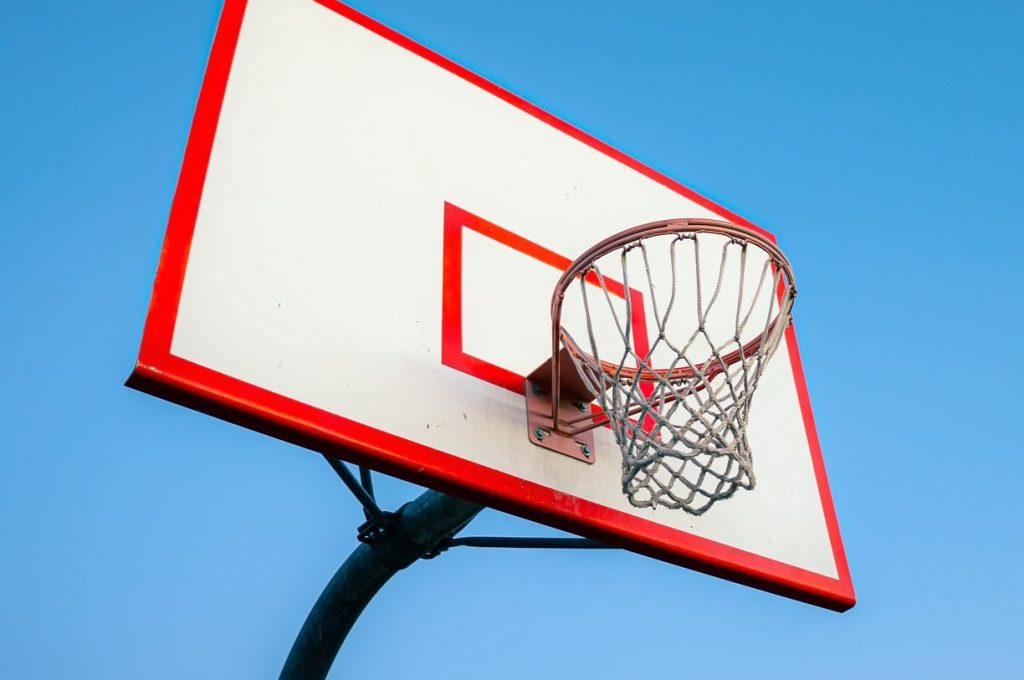
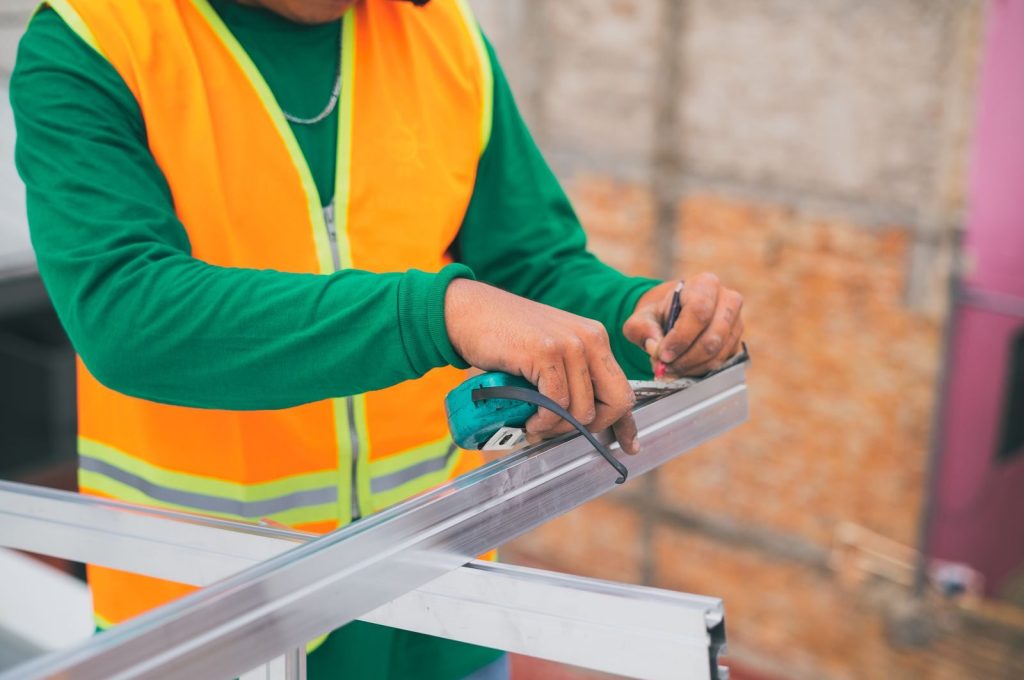
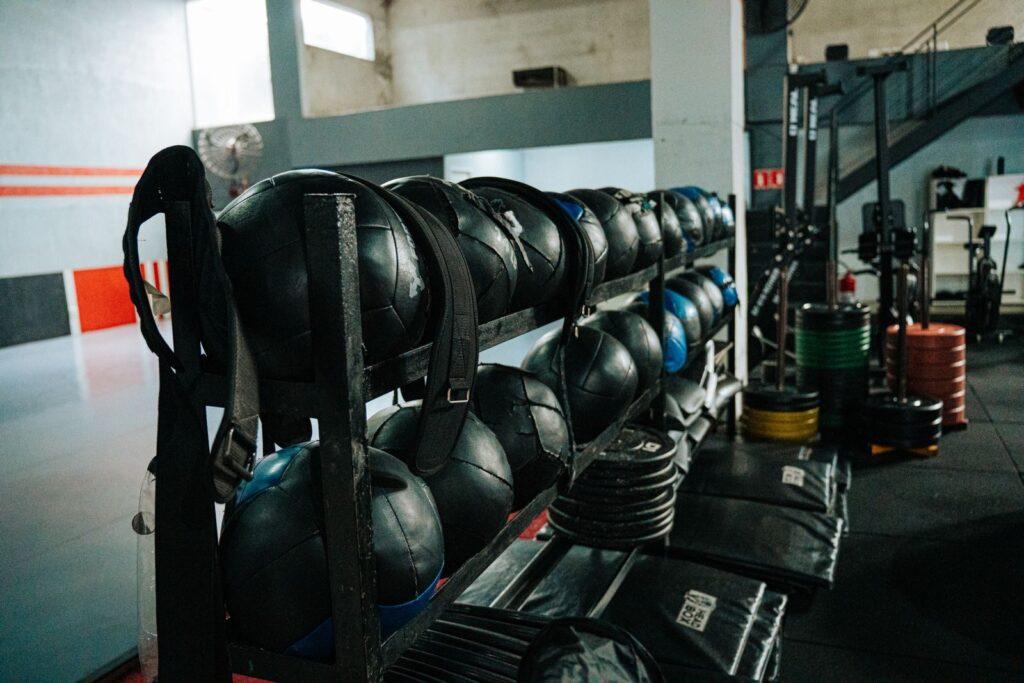
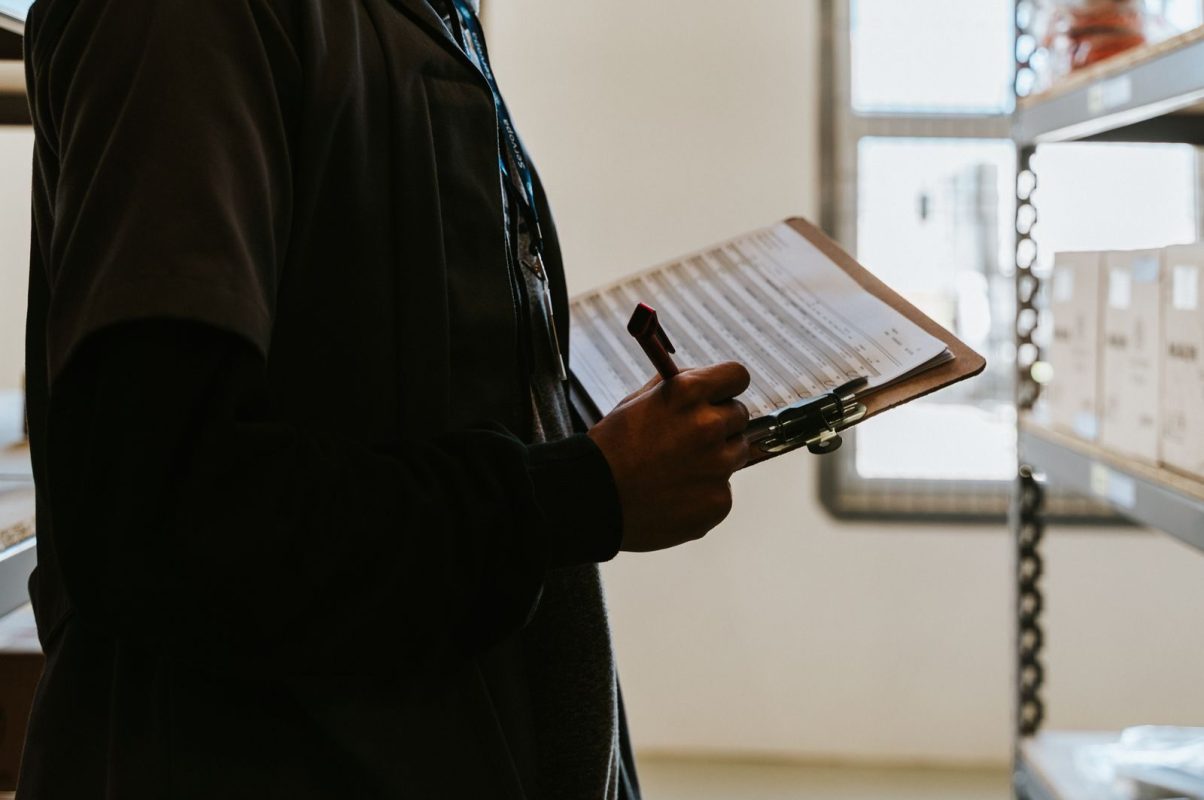
Routine maintenance programs help organizations identify equipment issues early, reduce unexpected failures, and maintain safe athletic environments. Consistent inspections support long-term equipment performance and operational reliability.
Maintenance checklists provide a consistent process for monitoring equipment condition, improving safety, reducing downtime, and extending equipment lifespan.
A sports equipment maintenance checklist is a structured document used to inspect, monitor, and maintain athletic equipment on a regular schedule. It helps organizations identify wear, verify equipment condition, improve safety, and support long-term equipment performance.
Maintenance checklists provide a consistent inspection process that helps reduce equipment failures, improve safety, extend equipment lifespan, and support preventive maintenance programs across athletic facilities.
Inspection frequency depends on equipment type, usage levels, environmental conditions, and manufacturer recommendations. High-use equipment typically requires more frequent inspections than equipment used occasionally.
Daily inspections commonly include:
Weekly maintenance may include:
Preventive maintenance commonly includes scheduled inspections, cleaning, lubrication, adjustments, component replacement, corrosion prevention, and equipment testing before problems develop.
Maintenance personnel should look for signs such as:
Regular inspections help detect these issues before they become safety concerns.
Safety inspections often include:
Organizations commonly record:
Maintaining accurate records supports equipment management and long-term planning.
Responsibility may vary by organization and can include facility managers, maintenance personnel, athletic departments, recreation staff, or qualified service providers depending on equipment type and operational procedures.
Equipment should be removed from service whenever damage, instability, missing components, or safety concerns could affect safe operation. Repairs or replacements should be completed before equipment returns to use.
Maintenance schedules should be reviewed periodically to account for equipment age, usage patterns, inspection findings, manufacturer updates, and facility operational needs.
Common maintenance tools include:
Specific tools depend on the equipment being maintained.
Routine maintenance helps identify minor issues before they become major failures, reducing emergency repairs, minimizing equipment downtime, extending service life, and lowering long-term maintenance expenses.
Consistent inspections and scheduled maintenance help reduce wear, improve equipment performance, prevent unnecessary damage, and support reliable operation throughout the equipment’s expected service life.
Organizations commonly maintain:
These records support maintenance planning and operational accountability.
Maintenance checklists are commonly available through equipment manufacturers, facility management programs, maintenance guides, industry standards, and organizational maintenance procedures.
Routine maintenance checklists help organizations identify hazards early, reduce equipment failures, improve inspection consistency, support compliance efforts, and create safer environments for athletes, staff, and visitors.