Maintenance Resources
Access maintenance manuals, servicing guides, lubrication recommendations, repair documentation, equipment care instructions, and preventive maintenance resources.
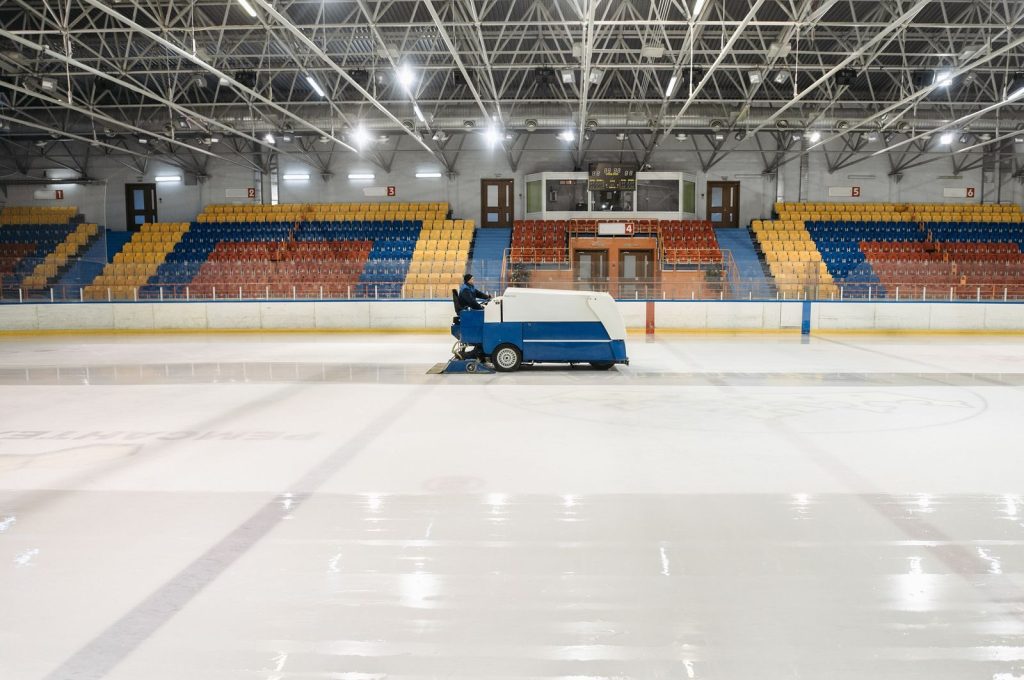
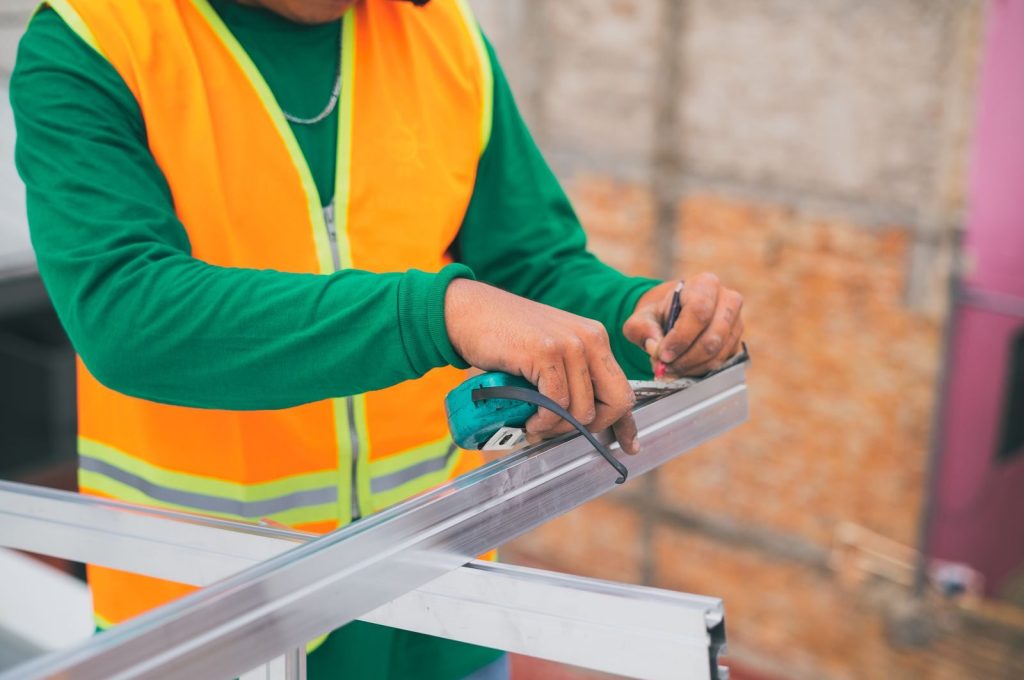
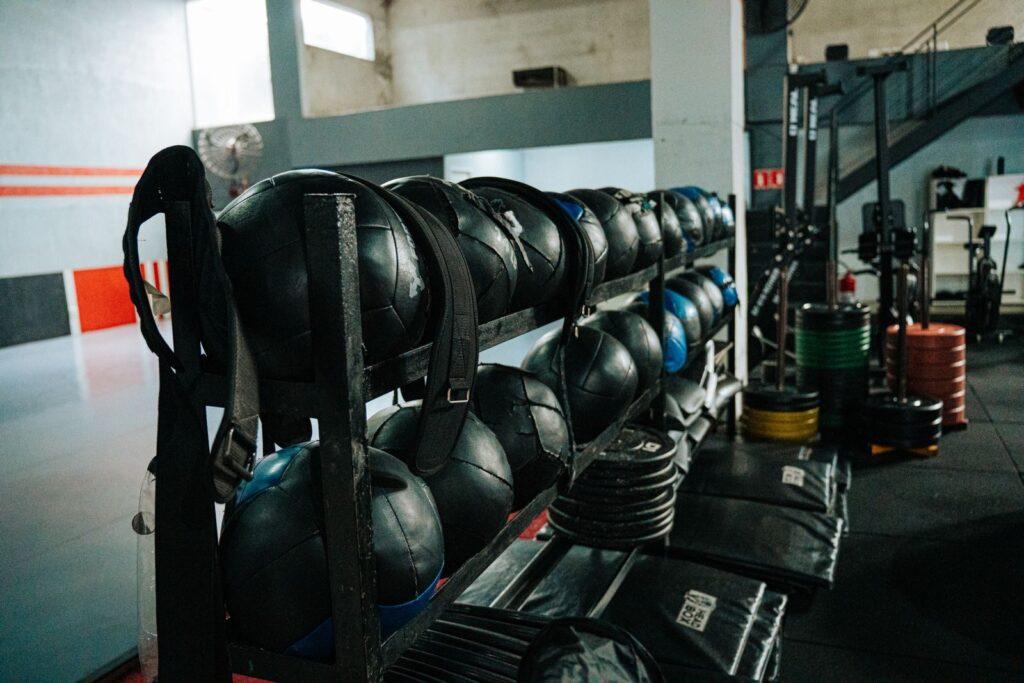
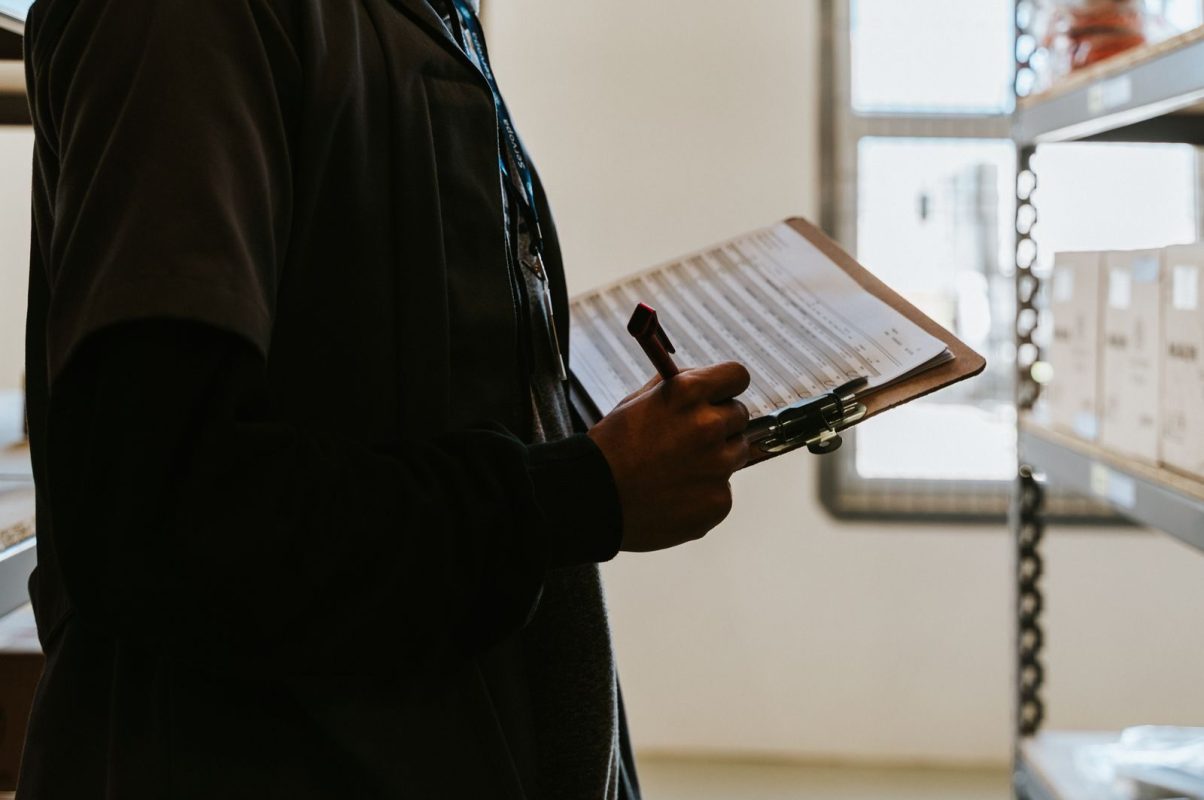
Regular maintenance helps preserve equipment condition, improve safety, reduce unexpected failures, and extend service life. Following manufacturer recommendations and scheduled maintenance procedures supports reliable athletic facility operations.
Routine maintenance reduces equipment wear, improves operational reliability, lowers repair costs, and helps organizations maximize long-term equipment performance.
A sports equipment maintenance guide provides recommended procedures for cleaning, servicing, inspecting, repairing, and protecting athletic equipment. It helps organizations maintain equipment performance, improve safety, and extend service life through routine maintenance practices.
Routine maintenance helps preserve equipment condition, improve operational reliability, reduce unexpected failures, support athlete safety, and maximize the long-term value of equipment investments.
Maintenance frequency depends on equipment type, usage intensity, environmental conditions, and manufacturer recommendations. High-use equipment generally requires more frequent maintenance than equipment used occasionally.
Cleaning procedures vary by equipment type, but commonly include:
Regular cleaning helps maintain appearance and reduce premature wear.
Moving components should be lubricated using manufacturer-recommended lubricants at appropriate service intervals. Proper lubrication helps reduce friction, minimize wear, improve performance, and extend component lifespan.
Routine maintenance often includes:
Corrosion prevention may include regular cleaning, protective coatings, proper drainage, storing equipment in dry environments, removing moisture after use, and following manufacturer maintenance recommendations.
Signs of equipment wear may include:
Routine inspections help identify these issues before they affect equipment performance.
Repairs may be appropriate when damage is minor and the equipment continues to meet safety and performance requirements. Replacement is often recommended when equipment has reached the end of its service life, cannot be repaired safely, or no longer performs as intended.
Replacement parts should be compatible with the equipment model and meet manufacturer specifications. Using approved components helps maintain equipment performance, safety, and warranty compliance.
Common maintenance tools include:
Specific requirements vary by equipment type.
Organizations commonly record:
Accurate documentation supports equipment management and long-term planning.
Off-season storage should protect equipment from moisture, excessive temperatures, UV exposure, and physical damage. Equipment should be cleaned, inspected, repaired if necessary, and stored according to manufacturer recommendations.
Organizations commonly extend equipment life by:
Maintenance guides promote consistent servicing practices that help identify potential hazards, reduce equipment failures, maintain structural integrity, and support safer athletic environments for participants and staff.
Organizations should follow manufacturer guidance related to:
Following these recommendations helps maintain equipment performance and preserve warranty coverage.
Maintenance manuals are commonly available through equipment manufacturers, supplier documentation, maintenance resource libraries, technical manuals, and facility management programs.
An effective maintenance program typically includes:
A structured program helps improve equipment reliability, reduce maintenance costs, and support long-term facility operations.