

Compliance

Review manufacturing compliance requirements for sports equipment, including product safety standards, certifications, testing procedures, quality systems, and international regulatory requirements.

Compliance Categories

Compliance programs help manufacturers and buyers meet product safety, quality, environmental, and international market requirements throughout the manufacturing and supply chain process.
Scientists in lab coats work with test tubes in a modern laboratory.
Product Safety Standards
Understand safety requirements, testing standards, and regulatory compliance for sports equipment.
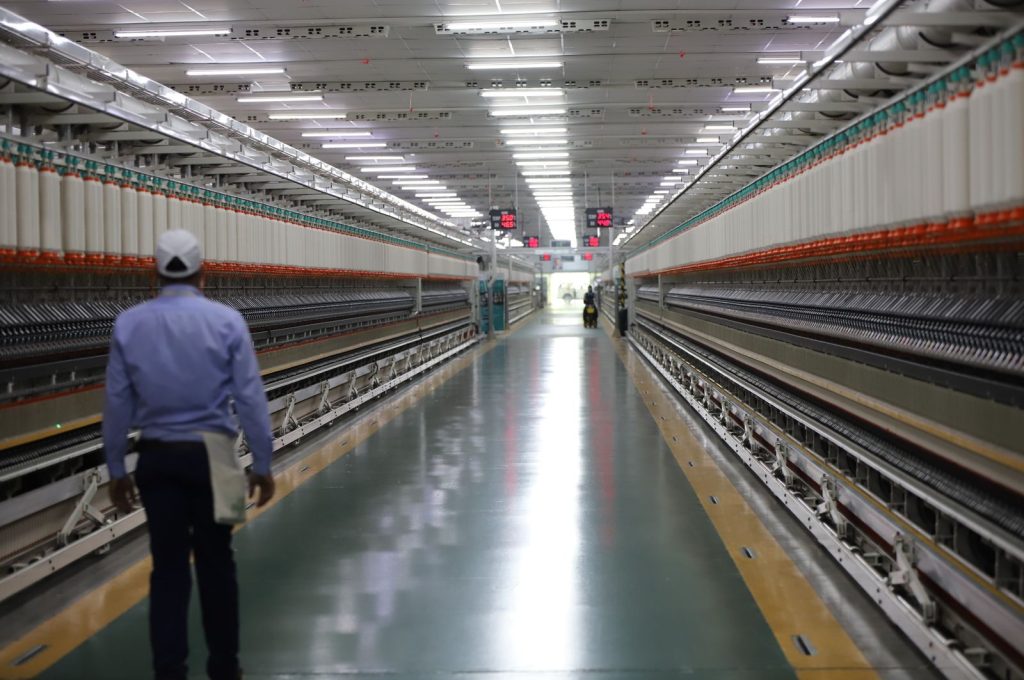
Long hallway in a textile factory with a worker walking, showcasing industrial machinery.
Factory Certifications
Review manufacturing certifications, quality management systems, and factory compliance programs.
A detailed view of a hand holding a badminton shuttlecock and racket, ready to play.
Product Testing
Review laboratory testing, performance verification, durability evaluation, and safety inspection procedures.
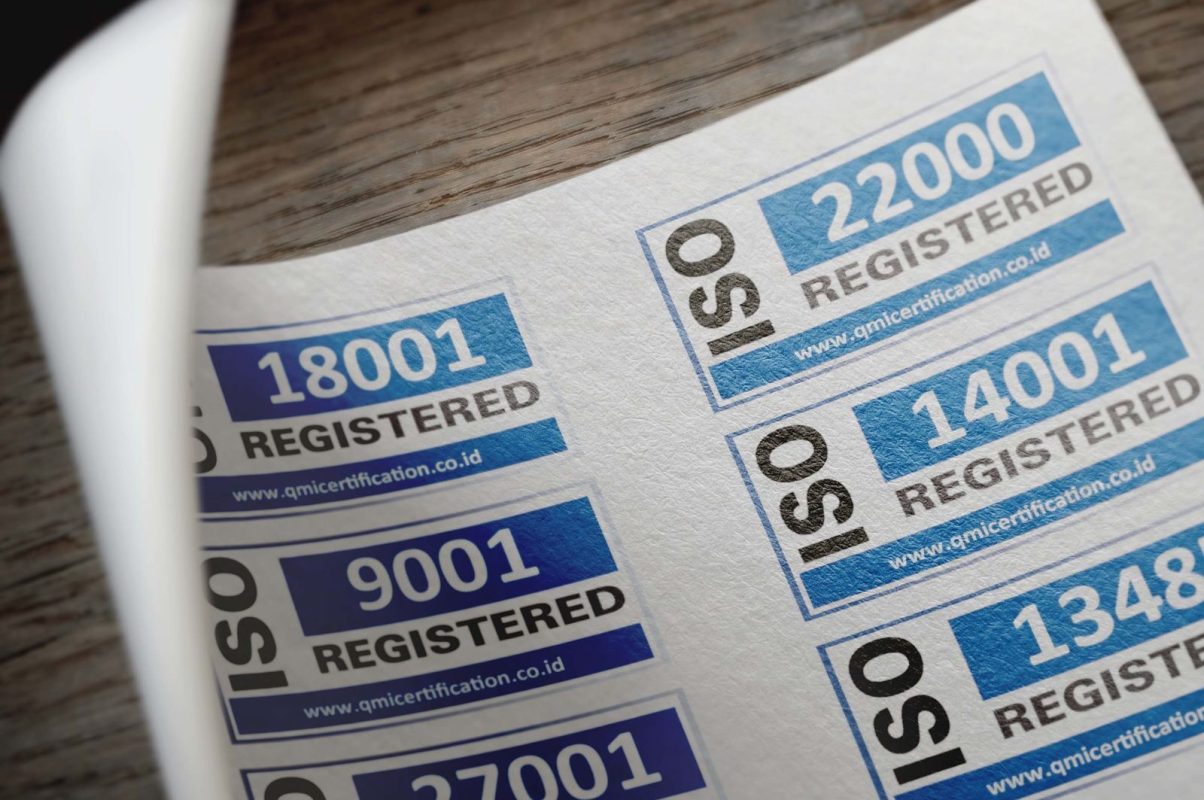
ISO certification stickers with registration numbers on paper.
International Regulations
Understand import requirements, environmental regulations, documentation, and market-specific compliance standards.

Compliance Requirements

Manufacturers must comply with applicable product safety regulations, quality management systems, environmental requirements, and customer specifications before products enter domestic or international markets. Compliance programs help reduce legal risks, improve product reliability, and support global market access.

  • Product safety standards and regulations
  • ISO quality management systems
  • Third-party product testing
  • Material compliance verification
  • Environmental compliance requirements
  • Product documentation and traceability
  • Factory certification programs
  • International export compliance

Benefits of Compliance

Effective compliance programs improve product quality, support customer confidence, reduce operational risks, and help manufacturers meet the requirements of global distributors, retailers, and institutional buyers.

  • Improve product consistency
  • Reduce regulatory risks
  • Support international market access
  • Strengthen customer confidence
  • Improve manufacturing processes
  • Support supplier qualification
  • Reduce product recalls
  • Enhance long-term business sustainability

Compliance Planning Considerations

Compliance planning should begin during product development and continue throughout manufacturing, testing, packaging, and export. Organizations should establish documented procedures for regulatory compliance, quality assurance, and supplier management to maintain consistent production standards.

  • Identify applicable regulations before production
  • Verify product testing requirements
  • Maintain manufacturing documentation
  • Audit suppliers regularly
  • Monitor regulatory updates
  • Review certification validity
  • Establish corrective action procedures
  • Support continuous compliance improvement

F.A.Q.

Manufacturing compliance refers to following applicable laws, regulations, industry standards, and quality requirements throughout product design, production, testing, packaging, and distribution.

Compliance helps ensure products meet safety, quality, and regulatory requirements while reducing legal risks and supporting customer confidence.

Common certifications include ISO 9001, ISO 14001, BSCI, Sedex, ASTM compliance, CE marking, CPSIA, and other market-specific certification programs.

Product compliance testing verifies that products meet applicable safety, durability, performance, and regulatory standards before entering the market.

Manufacturers maintain compliance through documented quality systems, supplier management, product testing, internal audits, employee training, and continuous process improvement.

Documentation may include testing reports, certificates, technical files, inspection records, material declarations, quality procedures, and export documentation.

Compliance programs should be reviewed regularly, particularly when regulations change, new products are introduced, suppliers are updated, or certifications require renewal.

Non-compliant products may face shipment delays, recalls, regulatory penalties, restricted market access, increased costs, or damage to brand reputation.

Related Articles

Hello world!

Welcome to WordPress. This is your first post. Edit or delete it, then start writing!...