
OEM

Review OEM manufacturing solutions for sports equipment, including custom product development, engineering collaboration, production planning, quality management, and commercial-scale manufacturing services.

OEM Manufacturing Services

OEM manufacturing enables organizations to produce proprietary sports equipment based on their own product specifications, technical drawings, engineering requirements, and brand standards.
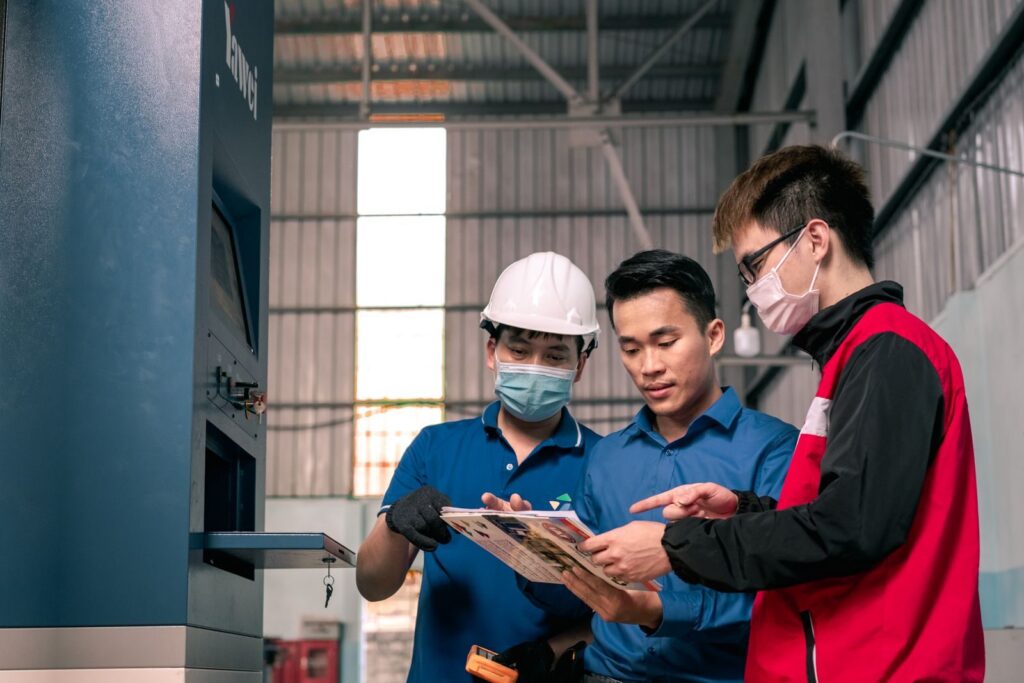
Man managing a machine in a factory setting, focusing on production.
Custom Product Development
Manufacture products according to customer-owned designs, technical specifications, and engineering requirements.
Group of architects discussing construction blueprints wearing hardhats in a modern office.
Engineering Collaboration
Work with manufacturing teams to refine product specifications, tooling, materials, and production feasibility.
Workers in a warehouse reviewing blueprints, emphasizing teamwork and safety.
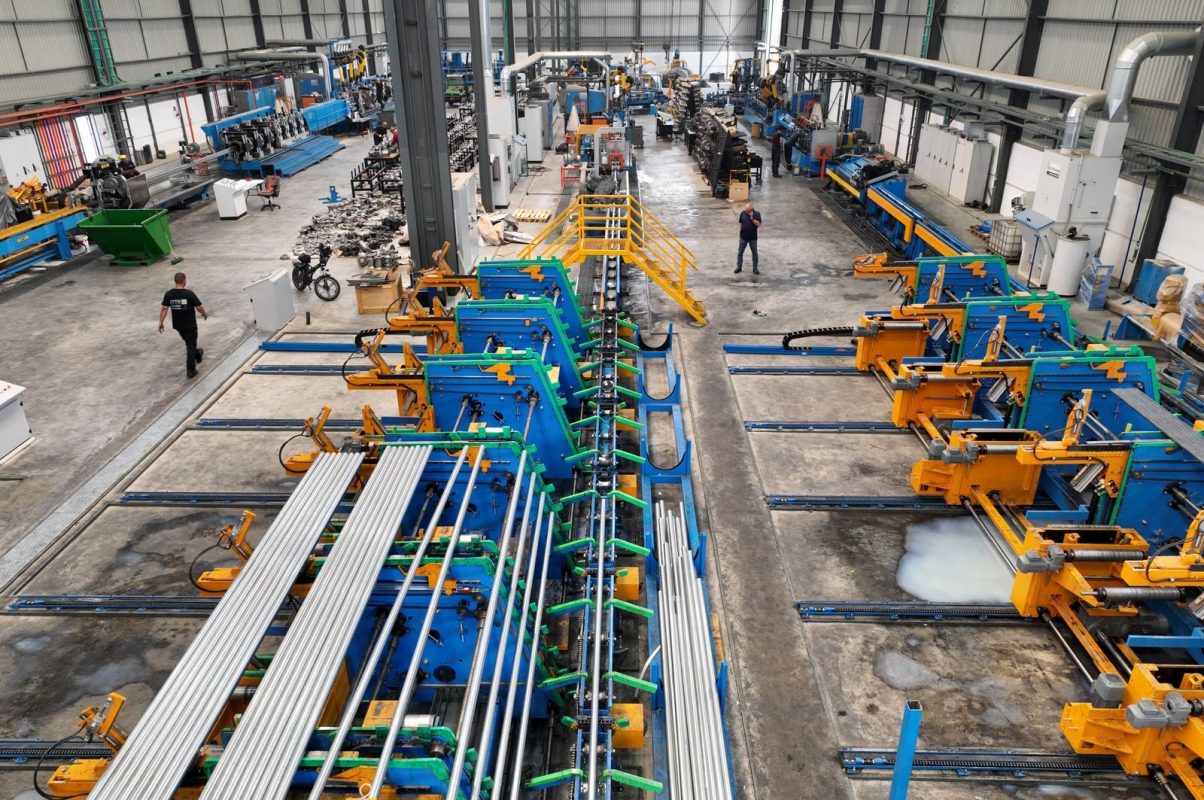
Production Management
Coordinate production planning, manufacturing schedules, quality control, and capacity management.
Aerial view of a large manufacturing plant interior with machinery and workers.
Commercial Manufacturing
Support large-scale production, packaging, export coordination, and long-term manufacturing partnerships.

OEM Manufacturing Capabilities

OEM manufacturing provides organizations with complete control over product design while leveraging experienced manufacturing partners for engineering support, production management, quality assurance, and commercial-scale manufacturing. Products are manufactured according to customer-owned specifications rather than existing factory designs.

  • Custom product manufacturing
  • Engineering collaboration
  • Customer-owned product specifications
  • Prototype validation
  • Production planning and scheduling
  • Commercial manufacturing
  • Quality management systems
  • International manufacturing support

Benefits of OEM Manufacturing

OEM manufacturing enables organizations to maintain complete ownership of product specifications while benefiting from professional manufacturing capabilities, scalable production, and long-term supply chain support.

  • Maintain proprietary product designs
  • Support product differentiation
  • Improve engineering flexibility
  • Scale commercial production
  • Strengthen quality consistency
  • Protect product specifications
  • Support long-term manufacturing partnerships
  • Improve market competitiveness

OEM Manufacturing Considerations

Organizations selecting OEM manufacturing partners should evaluate engineering capabilities, production experience, manufacturing quality, intellectual property protection, communication processes, and long-term production capacity before commercial manufacturing begins.

  • Review engineering capabilities
  • Verify manufacturing experience
  • Protect intellectual property
  • Assess production capacity
  • Evaluate quality management systems
  • Confirm project communication procedures
  • Plan prototype validation
  • Establish long-term manufacturing partnerships

F.A.Q.

OEM (Original Equipment Manufacturing) is a manufacturing model in which products are produced according to a customer’s original designs, specifications, and engineering requirements.

OEM manufacturing uses customer-owned product designs, while ODM manufacturing starts with existing manufacturer-owned designs that can be customized for branding or minor modifications.

The customer typically owns the product design, specifications, engineering drawings, and intellectual property associated with the product.

OEM manufacturing is commonly used for sports equipment, fitness machines, protective products, training equipment, facility infrastructure, and specialized commercial products requiring unique specifications.

OEM manufacturing allows organizations to develop differentiated products, maintain intellectual property ownership, achieve higher customization, and build long-term manufacturing partnerships.

Organizations should review engineering expertise, production capacity, quality systems, certifications, communication processes, intellectual property protection, and manufacturing experience.

Quality management typically includes engineering reviews, prototype validation, production inspections, process monitoring, final product verification, and continuous improvement programs.

OEM is generally preferred when organizations require proprietary product designs, advanced customization, engineering flexibility, and long-term product differentiation.

Related Articles

Hello world!

Welcome to WordPress. This is your first post. Edit or delete it, then start writing!...