
Private Label

Review private label solutions for sports equipment, including branded product development, custom labeling, packaging, supplier partnerships, and market-ready manufacturing services.

Private Label Services

Private label manufacturing enables organizations to launch sports equipment under their own brand by combining proven manufacturing capabilities with custom branding, packaging, and commercial product development.
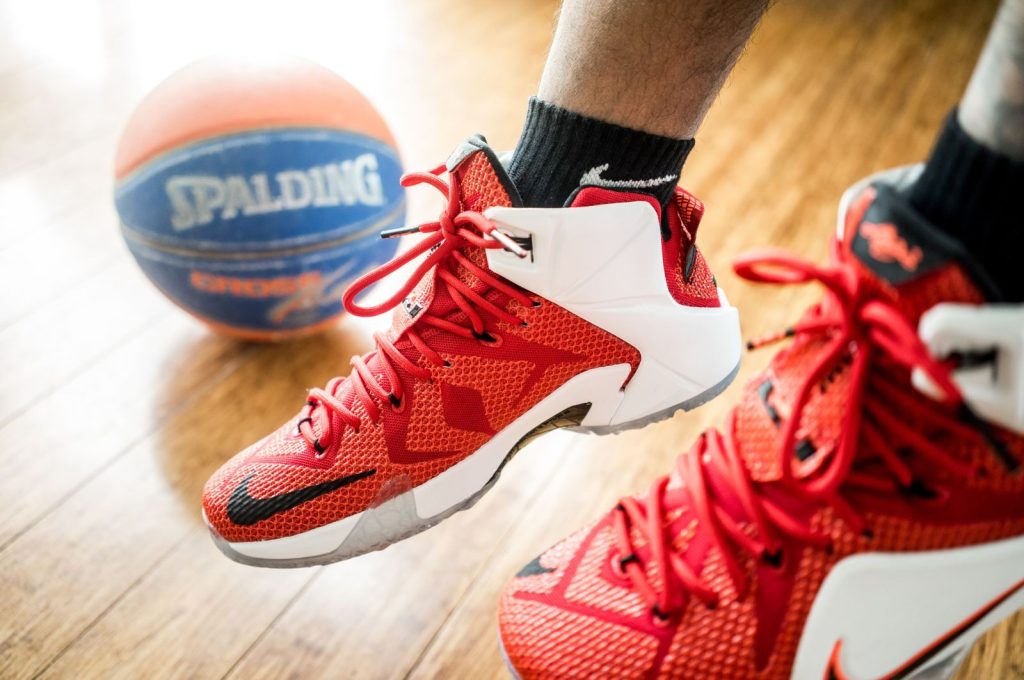
Close-up of red basketball sneakers in action with a Spalding ball on wooden floor.
Brand Development
Create proprietary sports equipment brands with custom brand positioning, product identity, and marketing strategy.
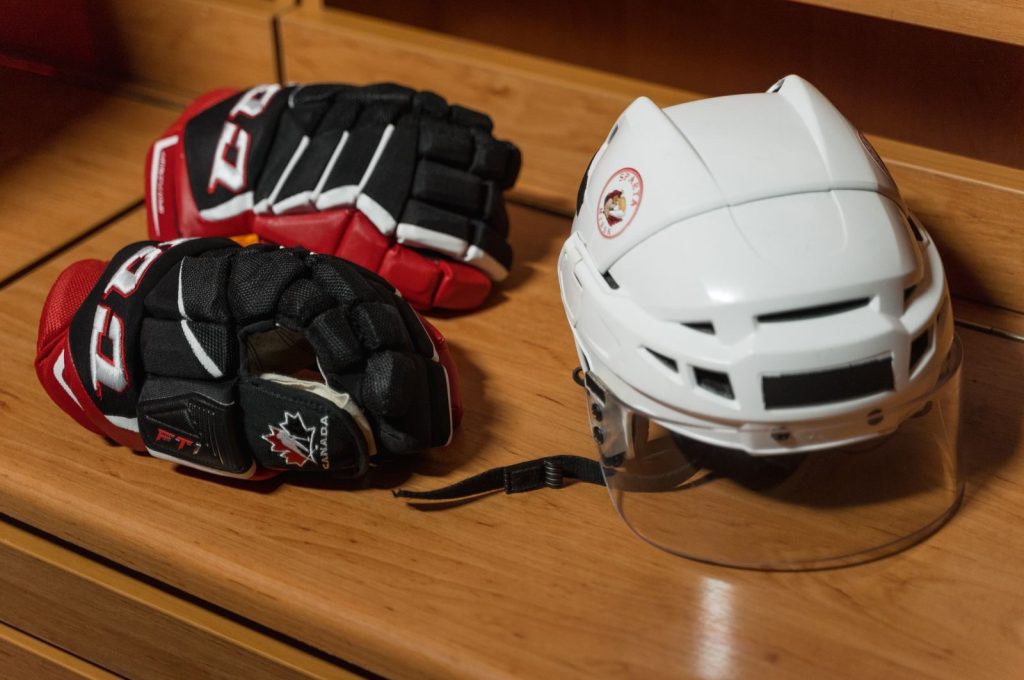
Close-up of hockey gear including helmet and gloves on a wooden bench.
Product Customization
Customize product colors, materials, specifications, packaging, and branding while using established manufacturing platforms.
Elegant minimalist mockup featuring a white paper and cloth bag on a neutral background.
Label & Packaging
Develop private label packaging, product labels, retail presentation, and export-ready packaging solutions.
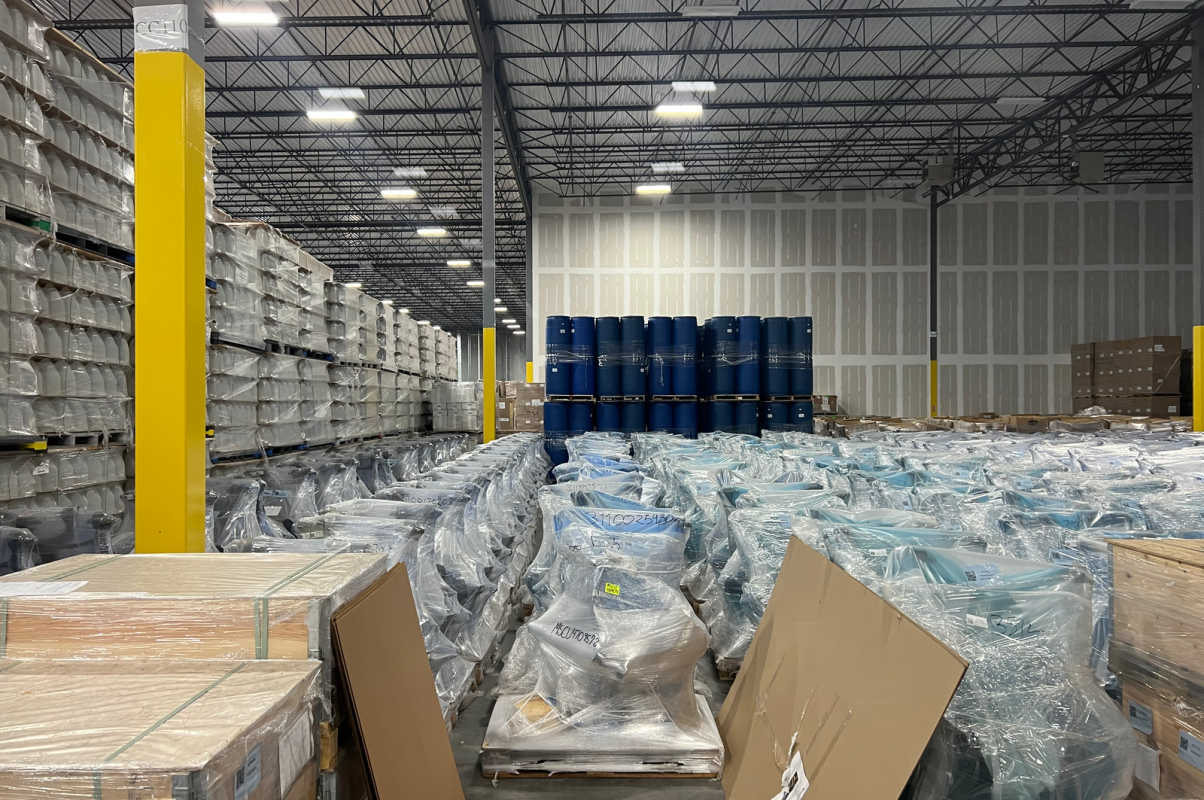
Large industrial warehouse filled with stacked goods wrapped in plastic for storage.
Market Launch
Prepare branded products for commercial production, distribution, retail channels, and international markets.

Private Label Capabilities

Private label manufacturing allows organizations to build proprietary product brands without developing products from the ground up. Manufacturers provide production expertise while customers focus on branding, packaging, marketing, and business growth.

  • Private label manufacturing
  • Custom product branding
  • Retail packaging development
  • Product labeling services
  • Brand identity implementation
  • Commercial production support
  • Global distribution preparation
  • Long-term manufacturing partnerships

Benefits of Private Label

Private label manufacturing helps organizations build unique brands, improve market differentiation, increase customer loyalty, and expand commercial opportunities while leveraging experienced manufacturing partners.

  • Create proprietary product brands
  • Improve market differentiation
  • Increase brand recognition
  • Support long-term business growth
  • Reduce product development costs
  • Accelerate market entry
  • Expand product portfolios
  • Strengthen competitive positioning

Private Label Considerations

Organizations planning private label programs should evaluate supplier capabilities, branding flexibility, packaging quality, intellectual property protection, production capacity, and long-term commercial objectives before launching branded product lines.

  • Define brand positioning
  • Select qualified manufacturing partners
  • Review branding capabilities
  • Develop retail packaging
  • Protect trademarks and intellectual property
  • Plan commercial production
  • Prepare market launch strategies
  • Build long-term supplier relationships

F.A.Q.

Private label manufacturing is a business model in which manufacturers produce sports equipment that is sold under a customer’s own brand name. The manufacturer handles production while the customer owns the branding, packaging, marketing, and sales strategy.

Private label focuses on selling products under your own brand. OEM manufacturing produces products based on customer-owned designs, while ODM manufacturing customizes existing manufacturer-owned designs. Private label programs often use ODM or OEM manufacturing as the production method.

Many sports equipment categories support private label manufacturing, including training equipment, fitness accessories, protective gear, recovery products, balls, nets, field equipment, storage solutions, and recreational products.

Manufacturers commonly offer customization of logos, product colors, packaging, labels, instruction manuals, retail displays, product accessories, and branding materials. The available options depend on the product category and manufacturing process.

Organizations should review manufacturing capabilities, product quality, customization flexibility, minimum order quantities (MOQs), certifications, production capacity, quality control procedures, communication processes, and long-term supplier reliability.

Yes. Private label products can be distributed globally when they comply with destination country regulations, labeling requirements, product safety standards, import documentation, and applicable certification requirements.

Private label manufacturing helps organizations build proprietary brands, differentiate products from competitors, improve customer recognition, expand product portfolios, and create long-term commercial value without investing in their own manufacturing facilities.

Private label programs enable organizations to strengthen brand ownership, increase customer loyalty, improve profit potential, expand product offerings, and establish scalable partnerships with experienced manufacturing suppliers for sustainable business growth.

Related Articles

Hello world!

Welcome to WordPress. This is your first post. Edit or delete it, then start writing!...