Prototype Manufacturing

Review prototype manufacturing services for sports equipment, including sample production, prototype validation, tooling evaluation, pilot production, manufacturing verification, and production readiness.

Prototype Manufacturing Services

Prototype manufacturing enables organizations to evaluate product designs, verify manufacturing processes, and validate product performance before full-scale commercial production begins.
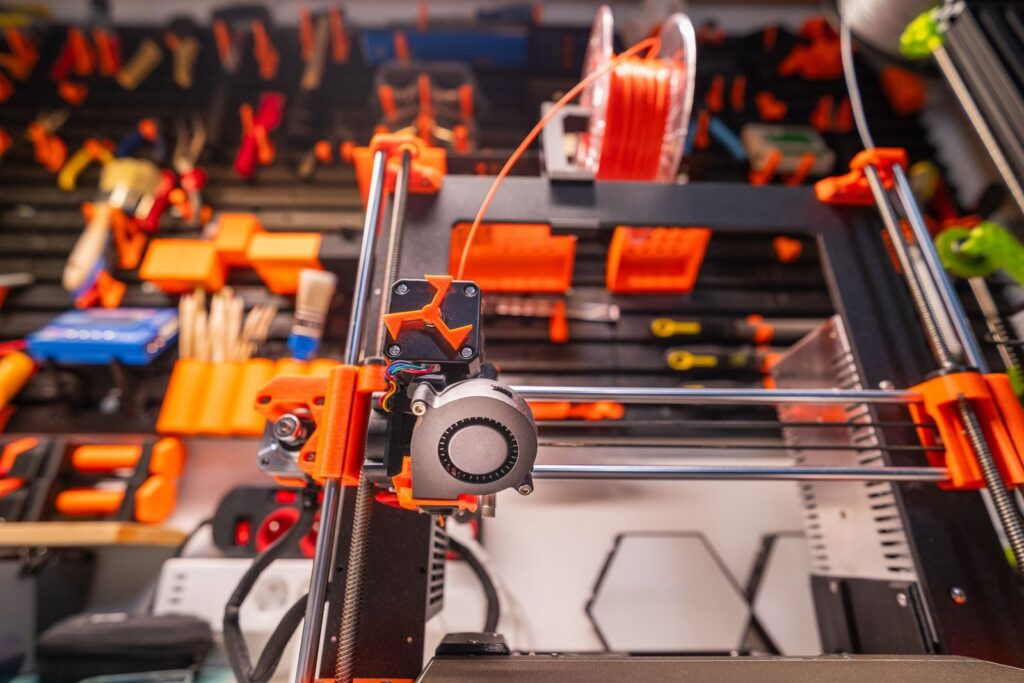
Close-up of a 3D printed part on an industrial printer in a workshop setting.
Prototype Production
Manufacture functional prototypes for product evaluation, engineering verification, and design refinement.
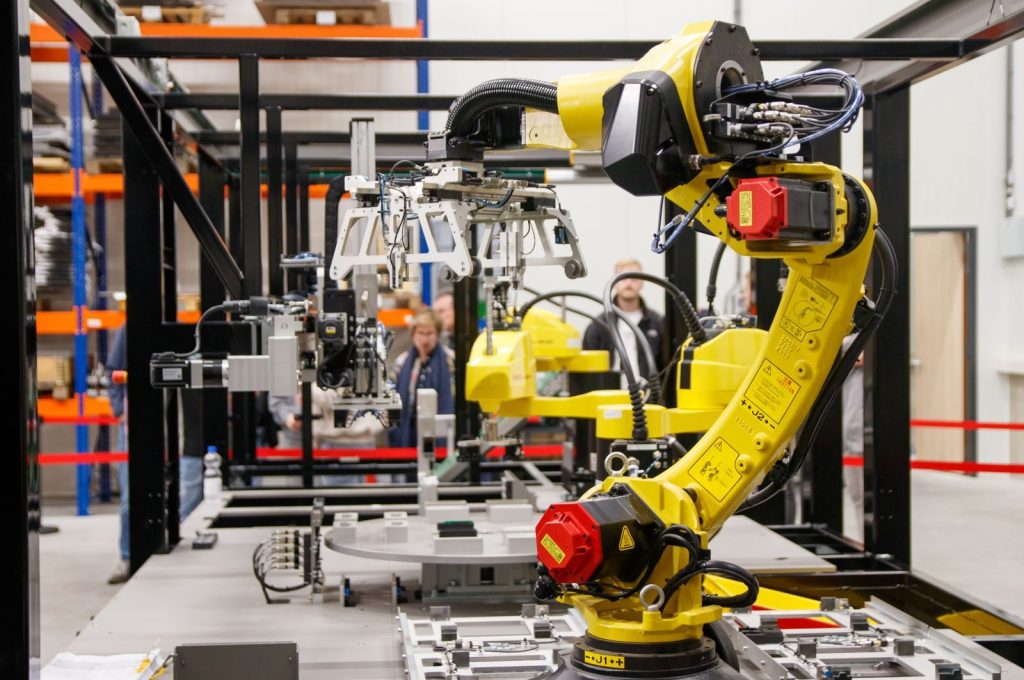
Close-up of a yellow industrial robotic arm in action at a modern manufacturing facility.
Tooling Validation
Evaluate molds, fixtures, tooling processes, and manufacturing methods before production.
Detailed view of a 3D printer with filament and tools in a workshop setting.
Product Testing
Perform functional testing, durability verification, assembly evaluation, and quality inspections on prototype products.
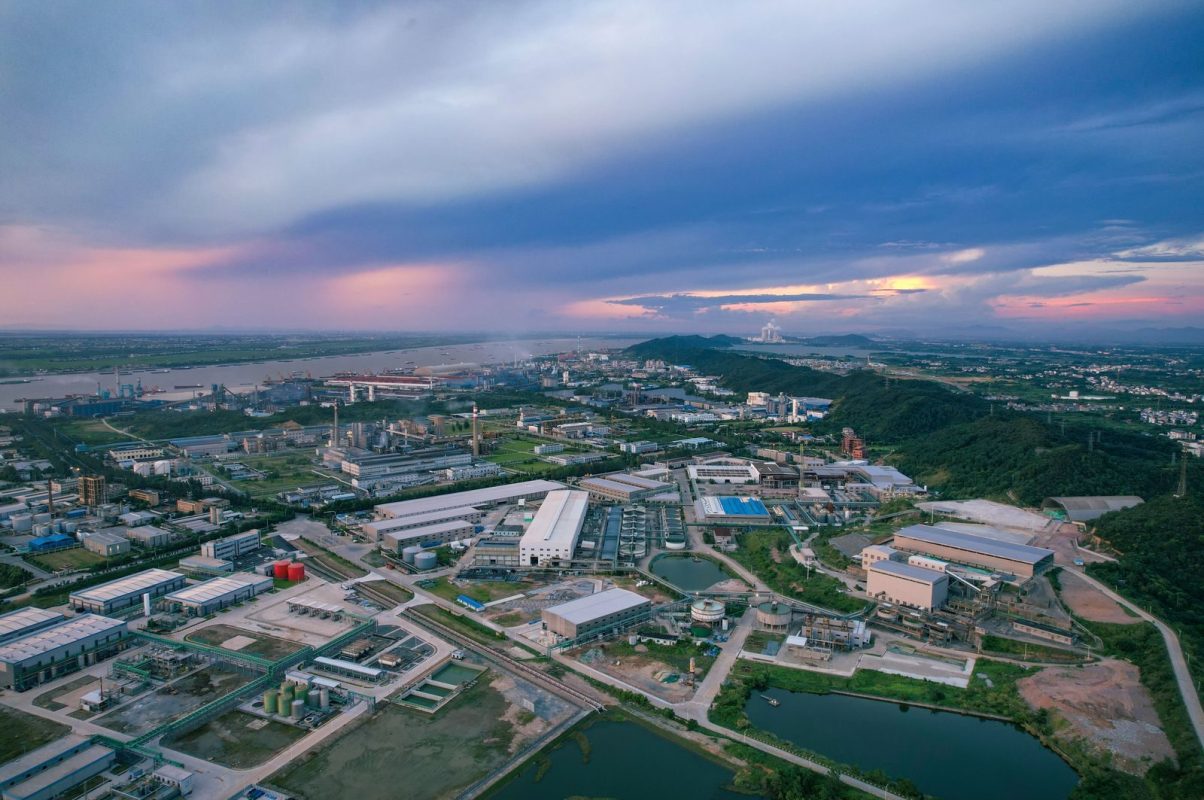
A stunning aerial view of an industrial area at sunset in Jiujiang, China.
Pilot Production
Conduct small-batch production runs to verify manufacturing consistency before commercial manufacturing.

Prototype Manufacturing Capabilities

Prototype manufacturing bridges product development and commercial production by transforming engineering designs into functional products for evaluation, testing, manufacturing verification, and production planning. It helps reduce production risks before large-scale manufacturing begins.

  • Functional prototype production
  • Engineering sample manufacturing
  • Tooling validation
  • Material verification
  • Assembly evaluation
  • Pilot production runs
  • Manufacturing process validation
  • Production readiness support

Benefits of Prototype Manufacturing

Prototype manufacturing helps organizations identify design issues early, validate manufacturing processes, reduce production risks, and improve product quality before commercial production begins.

  • Reduce manufacturing risks
  • Validate engineering designs
  • Improve product quality
  • Verify manufacturing feasibility
  • Optimize production processes
  • Reduce production costs
  • Accelerate commercial production
  • Support successful product launches

Prototype Manufacturing Considerations

Organizations should evaluate prototype objectives, manufacturing methods, tooling readiness, material performance, production tolerances, testing procedures, and quality requirements before approving products for commercial manufacturing.

  • Define prototype objectives
  • Select appropriate materials
  • Review tooling readiness
  • Verify manufacturing processes
  • Evaluate product performance
  • Complete functional testing
  • Review production documentation
  • Approve commercial manufacturing

F.A.Q.

Prototype manufacturing is the process of producing functional product samples to evaluate design, manufacturing feasibility, product performance, and production readiness before commercial manufacturing.

Prototype manufacturing helps identify design improvements, validate engineering decisions, reduce manufacturing risks, and improve product quality before large-scale production.

A prototype is created for testing and evaluation, while a production product is manufactured using finalized designs, validated tooling, and approved manufacturing processes.

Prototype testing may include functional testing, durability evaluation, assembly verification, dimensional inspection, material validation, and safety assessments depending on product requirements.

Pilot production is a limited manufacturing run used to verify production processes, quality consistency, assembly efficiency, and manufacturing readiness before mass production.

Prototype manufacturing allows manufacturers to identify design flaws, improve tooling, optimize production methods, and resolve quality issues before commercial manufacturing begins.

Organizations should review prototype performance, manufacturing feasibility, quality inspection results, tooling readiness, production costs, and supplier capabilities before approving commercial production.

Prototype manufacturing validates engineering concepts, improves product performance, supports production planning, and provides the foundation for successful commercial manufacturing.

Related Articles

Hello world!

Welcome to WordPress. This is your first post. Edit or delete it, then start writing!...