


Warehouse & Logistics

Manage warehouse operations, inventory storage, transportation planning, order fulfillment, and logistics coordination to improve operational efficiency, inventory visibility, and delivery performance.

Warehouse & Logistics Functions

Warehouse and logistics operations coordinate inventory storage, warehouse workflows, transportation, shipping, and order fulfillment to ensure products move efficiently from manufacturing facilities to customers.
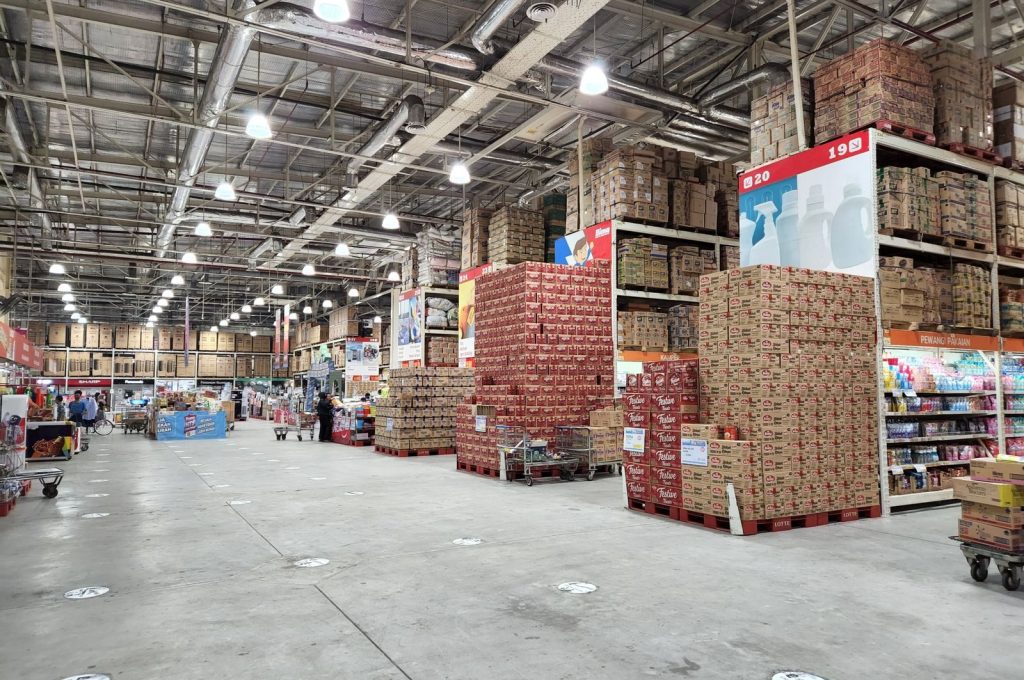
A large wholesale warehouse interior filled with stacked merchandise and shoppers browsing the aisles.
Warehouse Operations
Monitor receiving, storage, picking, packing, inventory organization, and warehouse efficiency.
High stacks of cardboard boxes organized in a warehouse with a blue metal ceiling.
Inventory Management
Maintain inventory accuracy, stock visibility, replenishment schedules, inventory control, and warehouse availability.
Aerial shot showcasing colorful freight containers on train tracks in a busy transportation yard.
Transportation Management
Coordinate freight scheduling, carrier selection, shipping routes, and delivery performance.
Warehouse worker using computer for inventory management at logistic center.
Order Fulfillment
Manage picking, packing, shipping preparation, distribution, and customer delivery.

Warehouse & Logistics Capabilities

Warehouse and logistics management integrates storage operations, inventory control, transportation planning, distribution, and fulfillment processes to improve operational efficiency and product availability throughout the supply chain.

  • Warehouse operations management
  • Inventory storage optimization
  • Receiving and shipping coordination
  • Transportation planning
  • Order fulfillment processes
  • Distribution network support
  • Warehouse safety management
  • International logistics coordination

Benefits of Warehouse & Logistics

Efficient warehouse and logistics operations improve inventory visibility, reduce transportation costs, shorten delivery times, and strengthen supply chain reliability while supporting business growth.

  • Improve warehouse efficiency
  • Reduce inventory costs
  • Increase inventory accuracy
  • Optimize transportation performance
  • Support faster order fulfillment
  • Improve delivery reliability
  • Enhance customer satisfaction
  • Reduce operational risks

Warehouse & Logistics Considerations

Organizations should establish warehouse layouts, inventory management procedures, transportation strategies, and logistics workflows that improve operational efficiency while supporting business growth and customer service requirements.

  • Optimize warehouse layout
  • Maintain inventory accuracy
  • Improve picking efficiency
  • Coordinate transportation schedules
  • Select reliable logistics partners
  • Monitor warehouse performance
  • Track logistics costs
  • Review delivery performance regularly

F.A.Q.

Warehouse and logistics management coordinates inventory storage, warehouse operations, transportation, shipping, and product distribution to ensure efficient product movement throughout the supply chain.

Warehousing focuses on storing and managing inventory within distribution facilities, while logistics includes transportation, shipping, inventory movement, and product delivery across the entire supply chain.

Effective warehouse management improves inventory accuracy, reduces operating costs, shortens order fulfillment time, and increases customer satisfaction.

Common warehouse operations include:

  • Receiving
  • Inventory storage
  • Picking
  • Packing
  • Shipping
  • Inventory counting
  • Warehouse safety

Inventory management maintains accurate stock levels, reduces shortages and overstock situations, improves replenishment planning, and increases warehouse productivity.

Logistics performance depends on transportation planning, carrier reliability, warehouse efficiency, shipment visibility, customs clearance, inventory availability, and delivery scheduling.

Many organizations use Warehouse Management Systems (WMS), barcode scanning, RFID tracking, inventory management software, transportation management systems (TMS), and warehouse automation technologies.

Efficient warehouse and logistics operations reduce operating costs, improve inventory availability, accelerate deliveries, strengthen customer satisfaction, and create scalable distribution capabilities for growing businesses.

Related Articles

Hello world!

Welcome to WordPress. This is your first post. Edit or delete it, then start writing!...