Brand Comparisons

Compare leading sports equipment brands by product quality, durability, performance, pricing, warranty, certifications, and commercial applications. Make informed purchasing decisions for schools, universities, recreation centers, and professional sports facilities.

Leading Sports Equipment Brands

Explore well-known sports equipment manufacturers across different sports and facility types. Compare brands based on product quality, innovation, certifications, commercial applications, and long-term reliability.

Captivating indoor basketball scene with players actively engaged in a game.
Basketball Brands
Wilson, Spalding, Schelde, Porter, Goalsetter
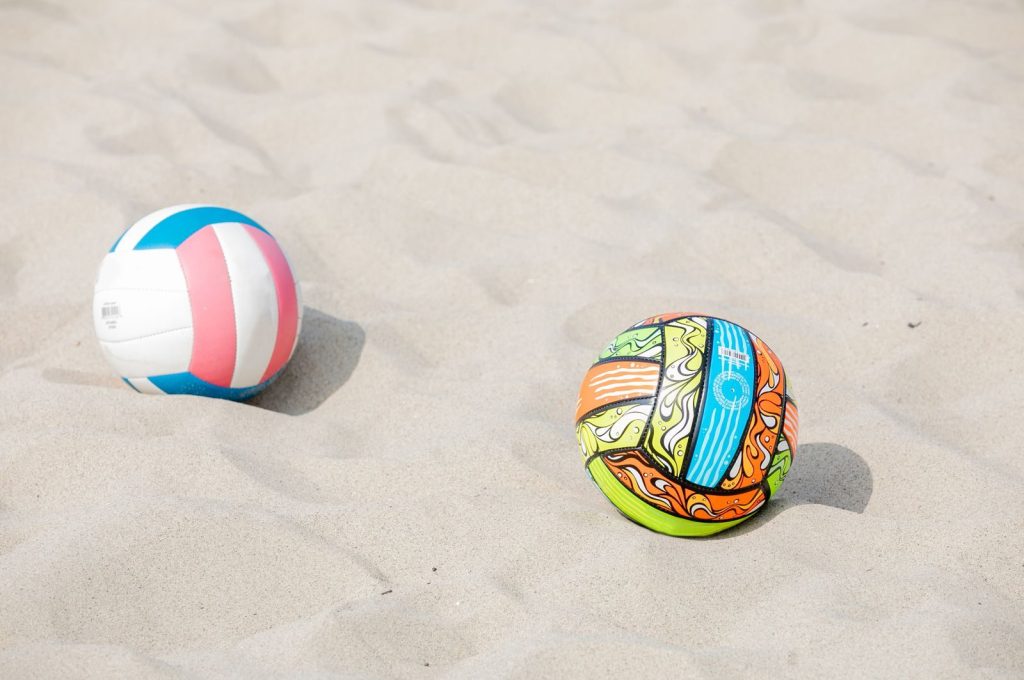
Two colorful balls resting on a sandy beach under the bright summer sun.
Volleyball Brands
Sport Court, Jaypro, Porter, Senoh, Sports Imports
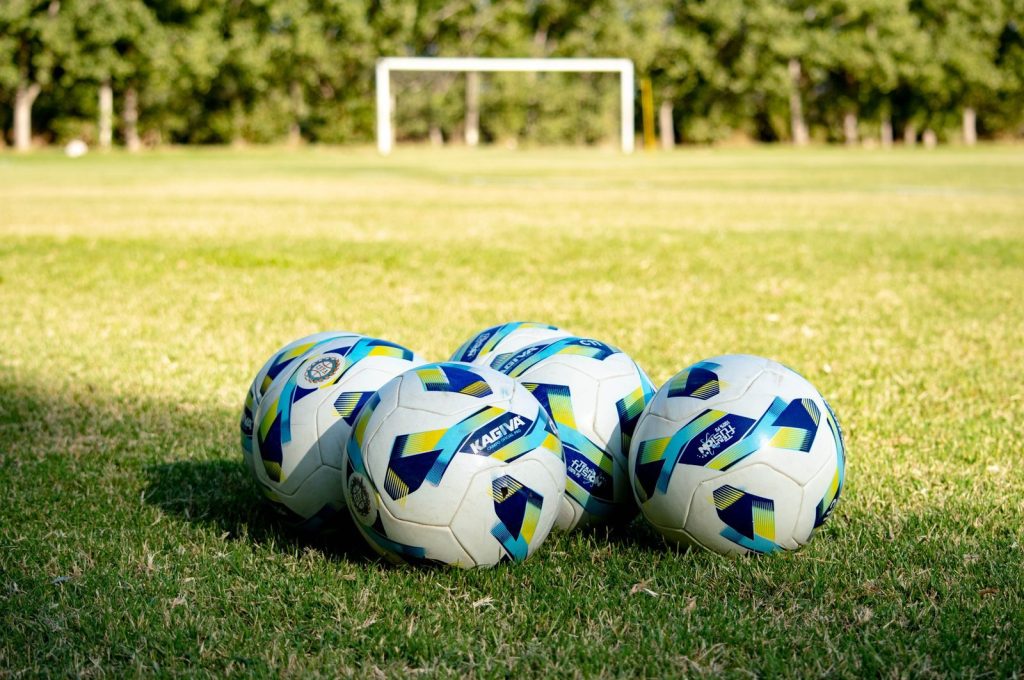
Five soccer balls rest on a green field, ready for a game in Mendoza, Argentina.
Soccer Brands
Kwik Goal, Bison, Jaypro, Harrod Sport
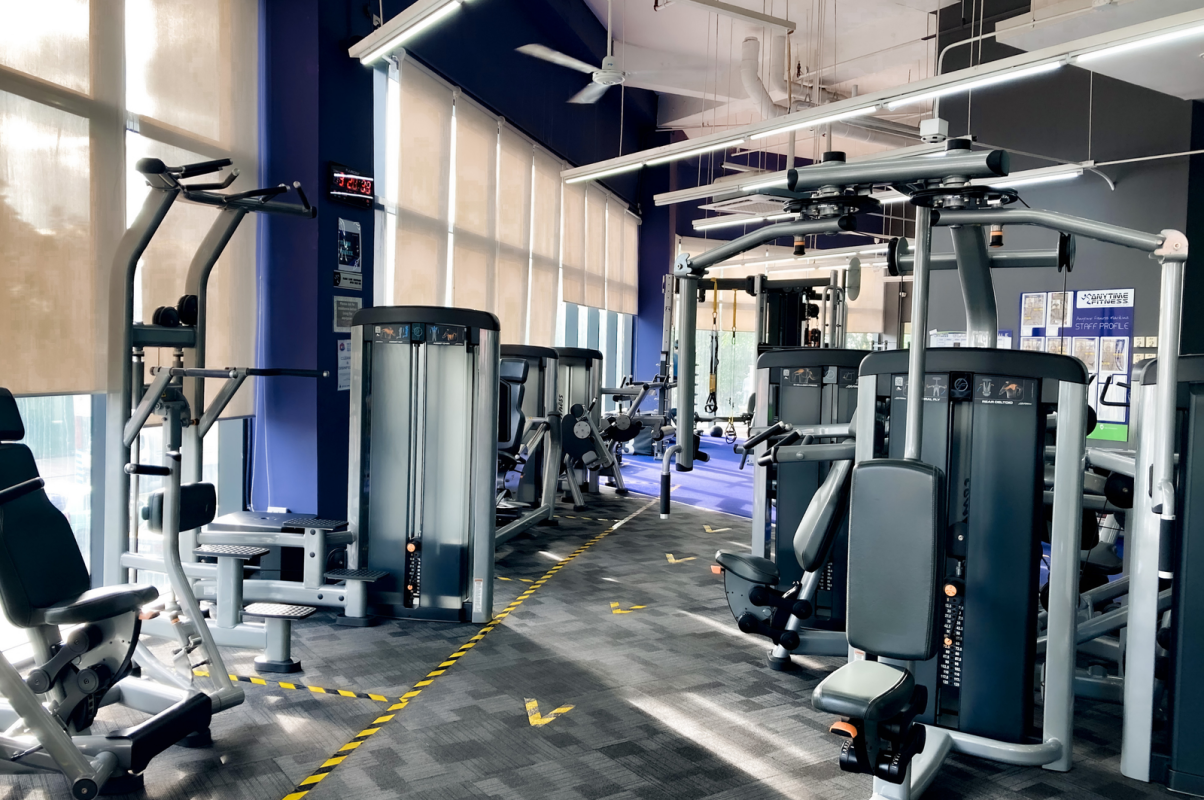
A bright, spacious gym with various exercise machines creating a motivating fitness atmosphere.
Fitness Brands
Life Fitness, Matrix, Precor, Technogym, Cybex

Brand Comparison Criteria

Compare manufacturers using consistent evaluation criteria to identify the most suitable products for your facility, operational requirements, and purchasing budget.

  • Product Quality
  • Durability
  • Performance
  • Safety Certifications
  • Warranty Coverage
  • Replacement Parts Availability
  • Commercial Applications
  • Total Cost of Ownership

Choosing the Right Brand

The best equipment brand depends on facility type, intended use, maintenance expectations, budget, and compliance requirements. Selecting brands that match operational needs helps maximize long-term value.

  • Schools — Durable, budget-friendly products
  • Universities — Competition-grade equipment
  • Sports Clubs — High-performance systems
  • Community Centers — Multi-purpose equipment
  • Municipal Facilities — Low-maintenance products
  • Commercial Fitness Centers — Heavy-duty commercial equipment

Best Practices

Compare multiple manufacturers before purchasing. Evaluate certifications, product lifespan, maintenance requirements, customer support, and long-term operating costs rather than price alone.

  • Compare multiple brands
  • Review warranty policies
  • Verify safety certifications
  • Evaluate replacement part availability
  • Consider maintenance costs
  • Assess long-term durability
  • Review customer support services
  • Calculate total ownership cost

F.A.Q.

Compare brands based on product quality, durability, safety certifications, warranty coverage, replacement parts availability, customer support, and long-term operating costs. Selecting the right brand depends on your facility’s requirements and intended use.

Schools typically benefit from brands that provide durable products, strong safety records, reliable warranties, and easy access to replacement parts. Equipment should also be appropriate for student age groups and frequent daily use.

Premium brands often offer higher-quality materials, longer service life, improved performance, and better warranty support. For facilities with heavy daily use, the higher initial investment may reduce long-term replacement and maintenance costs.

Key factors include product quality, safety compliance, durability, maintenance requirements, warranty terms, customer service, product availability, and total cost of ownership.

Warranty coverage helps protect equipment investments by reducing repair or replacement costs. Buyers should compare warranty length, coverage details, and manufacturer support before making purchasing decisions.

No. While many manufacturers comply with industry standards, certification requirements vary depending on the sport and product category. Buyers should verify compliance with applicable safety and performance standards before purchasing.

Long-term value depends on equipment lifespan, maintenance costs, replacement part availability, warranty support, and overall product reliability rather than purchase price alone.

The best brand depends on the facility type, usage frequency, budget, performance requirements, and maintenance expectations. Commercial facilities generally benefit from brands that offer durable products, proven reliability, and strong after-sales support.

Related Articles

Hello world!

Welcome to WordPress. This is your first post. Edit or delete it, then start writing!...