Durability & Maintenance

Compare sports equipment based on durability, maintenance requirements, expected lifespan, and long-term operating costs. Learn how proper maintenance and equipment selection improve performance, reduce downtime, and maximize lifecycle value.

Equipment Durability Categories

Different types of sports equipment require different levels of durability and maintenance. Understanding equipment categories helps buyers select products that match facility usage and long-term operational needs.

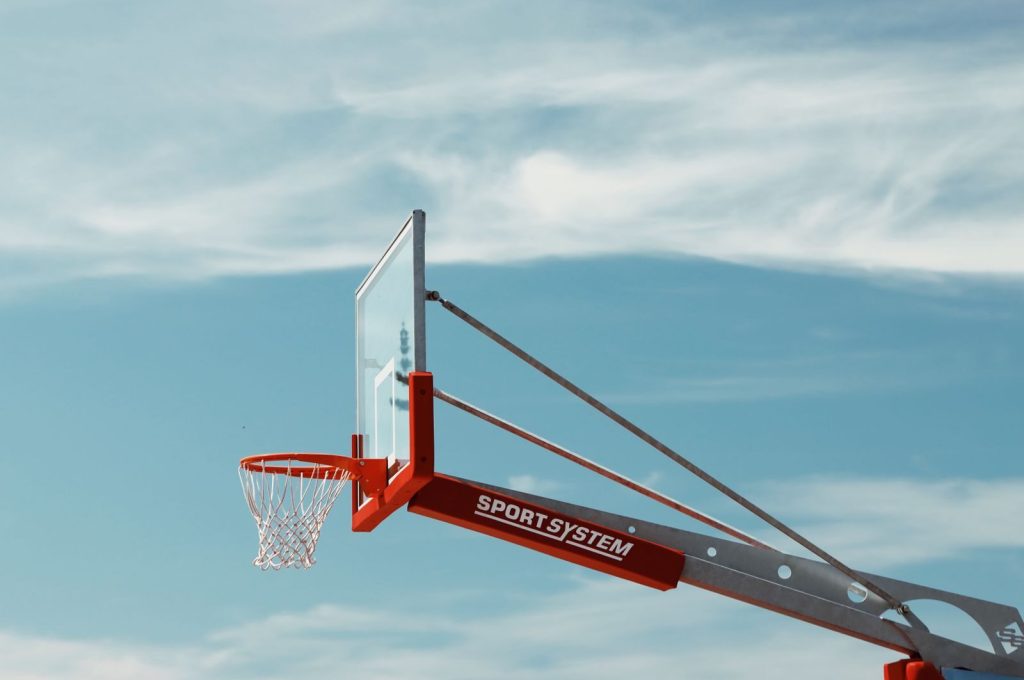
A basketball hoop with a transparent backboard set against a clear blue sky in Saulkrasti, Latvia.
Heavy-Duty Basketball Systems
Commercial basketball systems designed for intensive daily use with reinforced structures and long service life.
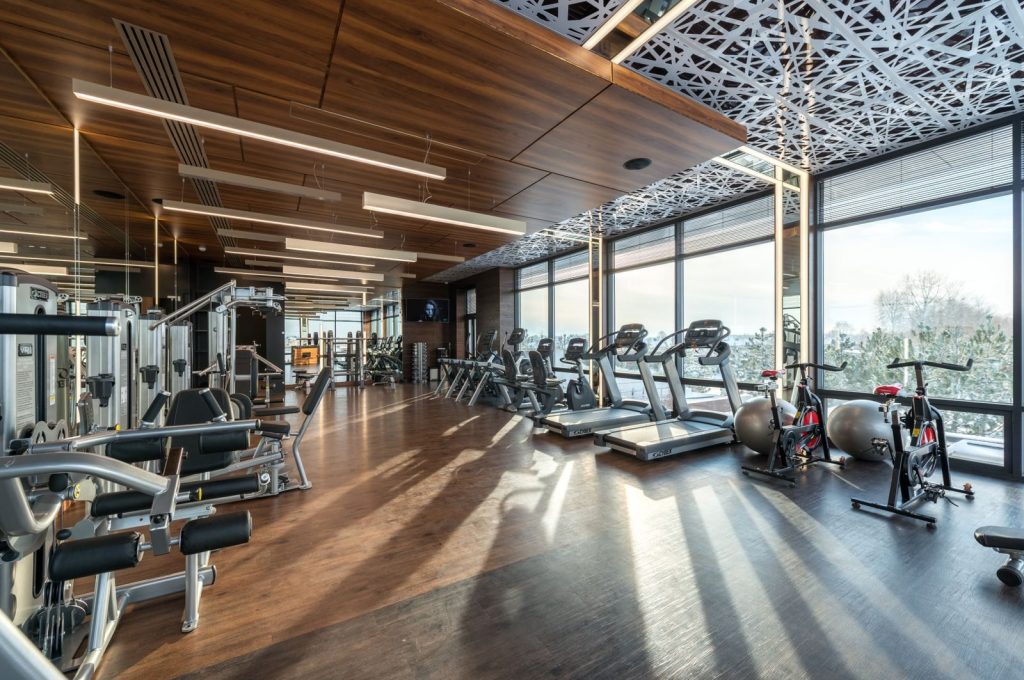
Modern exercise bikes and treadmills and various fitness equipment in spacious gym with wooden floor and panoramic windows in sunlight
Commercial Fitness Equipment
Commercial cardio and strength equipment built for continuous operation with scheduled maintenance.
A versatile sports facility featuring a roofed court and soccer field under a bright sky.
Outdoor Sports Equipment
Weather-resistant goals, benches, and outdoor fitness equipment designed for year-round use.
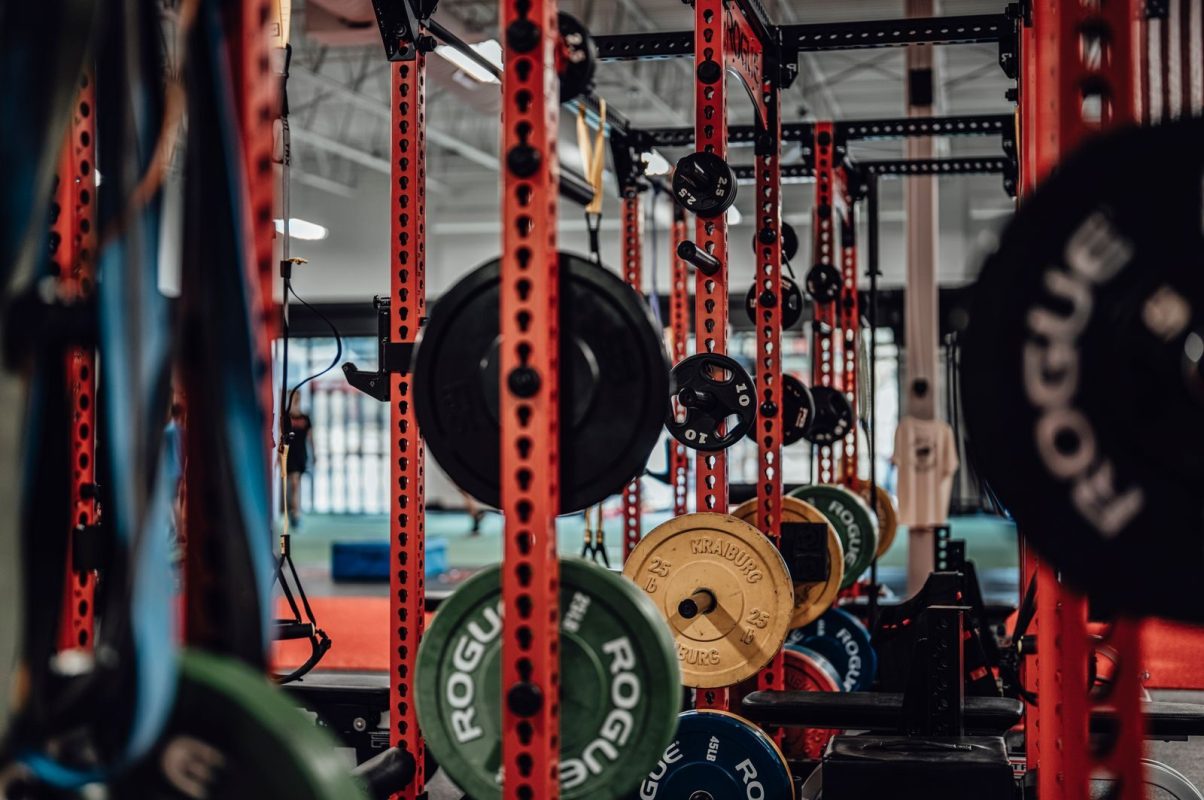
A well-equipped gym with various weightlifting gear and exercise equipment.
Training Equipment
Training products requiring regular inspection, cleaning, and replacement due to frequent use.

Durability & Maintenance Factors

Evaluate sports equipment by comparing durability, maintenance frequency, material quality, environmental resistance, and expected service life to reduce long-term operating costs.

  • Material Quality
  • Construction Strength
  • Maintenance Frequency
  • Replacement Parts Availability
  • Environmental Resistance
  • Expected Lifespan
  • Warranty Coverage
  • Total Cost of Ownership

Maximizing Equipment Lifespan

Regular maintenance, proper installation, scheduled inspections, and timely repairs help extend equipment lifespan and improve long-term operational performance.

  • Schools — Routine inspections and preventive maintenance
  • Universities — Scheduled maintenance programs
  • Sports Clubs — Frequent equipment inspections
  • Recreation Centers — Preventive maintenance planning
  • Outdoor Facilities — Weather protection and corrosion control
  • Commercial Gyms — Daily cleaning and equipment servicing

Best Practices

Following preventive maintenance practices helps reduce equipment failures, extend product lifespan, improve safety, and lower long-term operating costs.

  • Inspect equipment regularly
  • Follow manufacturer maintenance schedules
  • Replace worn components promptly
  • Clean equipment after use
  • Protect outdoor equipment from weather exposure
  • Maintain maintenance records
  • Train staff on inspection procedures
  • Plan equipment replacement before failure

F.A.Q.

Durable sports equipment lasts longer, requires fewer repairs, improves safety, and reduces long-term replacement costs.

Inspection frequency depends on equipment type and usage, but high-use commercial equipment should be inspected regularly according to manufacturer recommendations.

Material quality, construction, usage frequency, maintenance practices, environmental conditions, and installation quality all influence equipment lifespan.

Choose durable equipment, follow preventive maintenance schedules, replace worn parts promptly, and perform regular inspections.

Commercial equipment is generally designed for higher usage levels and longer service life than equipment intended for light recreational use.

Routine inspections, cleaning, lubrication where applicable, hardware tightening, and timely replacement of worn components are essential maintenance tasks.

Outdoor equipment should be inspected for corrosion, weather damage, UV exposure, moisture, and loose hardware more frequently than indoor equipment.

Proper installation, preventive maintenance, scheduled inspections, staff training, and timely repairs help maximize equipment lifespan and reduce long-term operating costs.


Equipment made from galvanized steel, aluminum, powder-coated finishes, or composite materials may provide different levels of corrosion resistance, durability, and maintenance requirements depending on the operating environment.


Related Articles

Hello world!

Welcome to WordPress. This is your first post. Edit or delete it, then start writing!...