Material Comparisons

Compare sports equipment materials based on durability, strength, corrosion resistance, maintenance requirements, weather performance, and long-term value. Evaluate different material options to select the best solution for your facility and operational needs.

Sports Equipment Materials

Sports equipment is manufactured using a variety of materials, each offering different levels of strength, durability, maintenance requirements, and environmental resistance. Understanding material differences helps buyers make informed purchasing decisions.

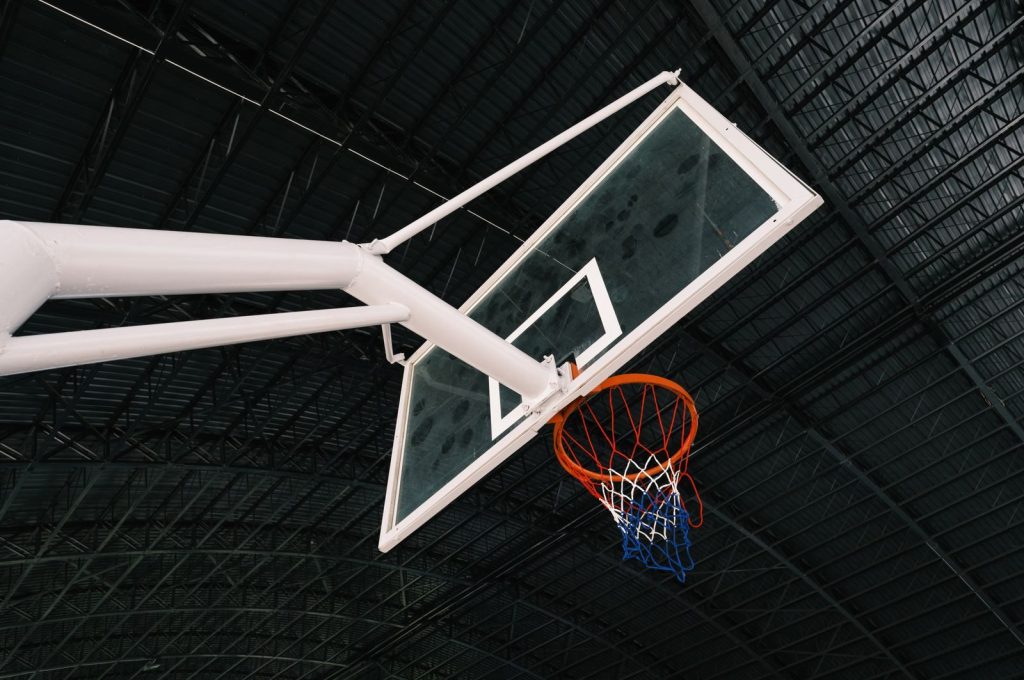
Close-up of an indoor basketball hoop and backboard in an empty sports hall.
Steel Components
High-strength steel is commonly used for basketball systems, soccer goals, bleachers, and structural sports equipment requiring maximum durability.
Two red badminton rackets and a shuttlecock on a backpack outdoors, perfect for leisure and sports activities.
Aluminum Components
Lightweight, corrosion-resistant aluminum is ideal for portable equipment, outdoor applications, and products requiring easier handling.
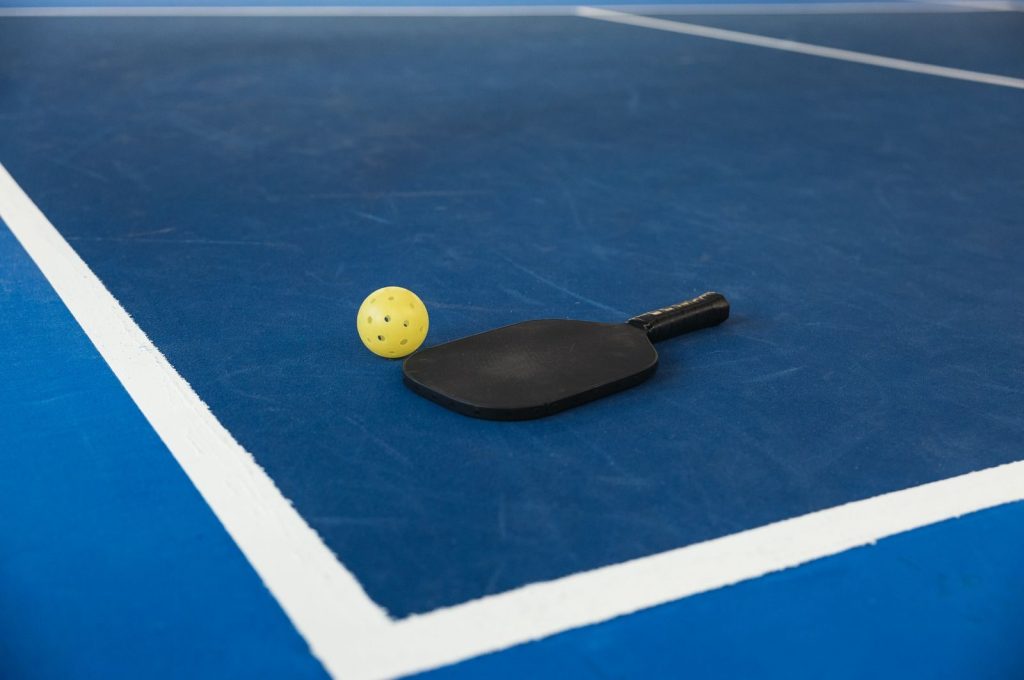
A pickleball paddle and yellow ball resting on a blue pickleball court with white lines.
Composite Materials
Composite materials provide excellent durability, lower maintenance, and improved weather resistance for many modern sports products.
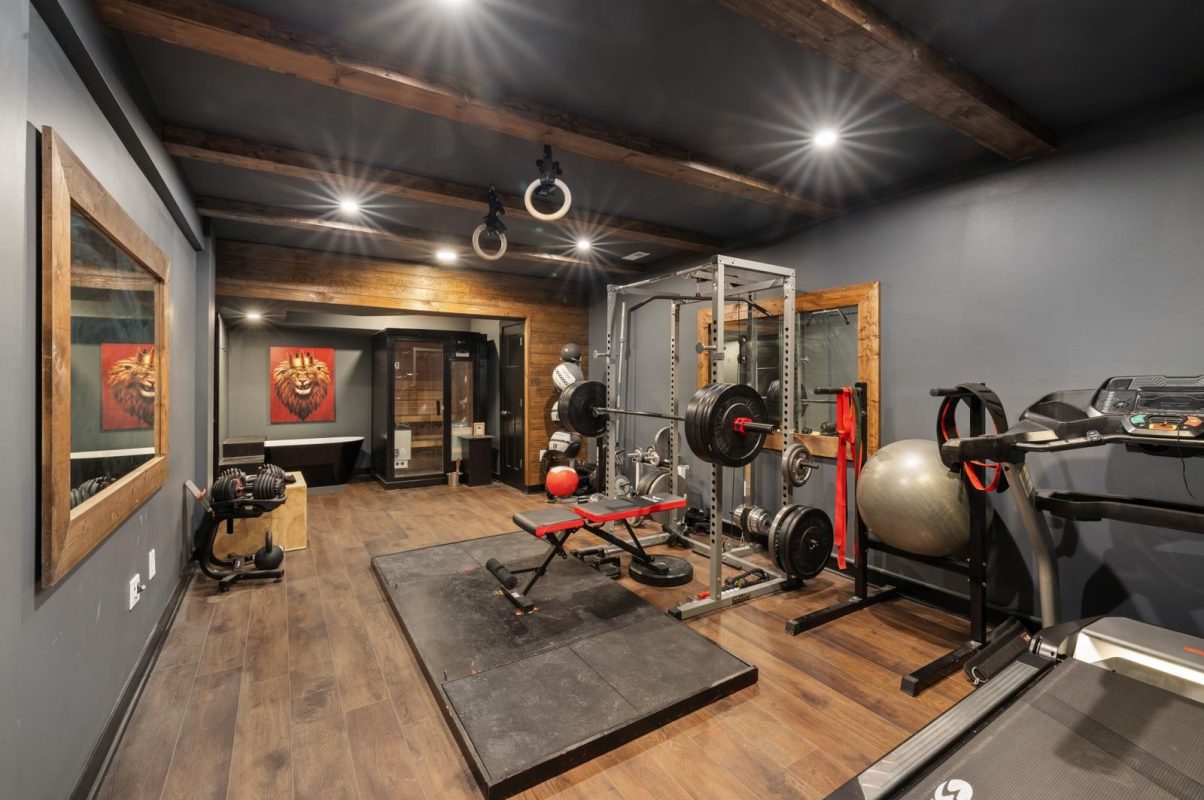
A modern home gym setup with weights, treadmill, and fitness equipment.
Rubber & Protective Materials
Rubber surfaces, padding, flooring, and protective components improve safety, shock absorption, and equipment longevity.

Material Comparison Factors

Compare sports equipment materials by evaluating strength, weight, corrosion resistance, maintenance requirements, environmental durability, and lifecycle costs.

  • Strength
  • Weight
  • Corrosion Resistance
  • Weather Resistance
  • Maintenance Requirements
  • Durability
  • Expected Lifespan
  • Total Cost of Ownership

Choosing the Right Material

The best material depends on equipment type, installation environment, maintenance expectations, and long-term operational goals. Selecting the right material improves equipment performance and extends service life.

  • Indoor Facilities — Powder-coated steel and wood components
  • Outdoor Facilities — Galvanized steel and aluminum
  • Schools — Durable, low-maintenance materials
  • Sports Clubs — Performance-oriented materials
  • Municipal Parks — Weather-resistant materials
  • Commercial Facilities — Heavy-duty structural materials

Best Practices

Select materials based on long-term performance rather than initial cost. Compare durability, environmental resistance, maintenance requirements, and expected service life before purchasing sports equipment.

  • Compare material specifications
  • Evaluate environmental conditions
  • Review corrosion resistance
  • Estimate maintenance requirements
  • Compare expected lifespan
  • Review manufacturer warranties
  • Consider replacement costs
  • Select materials appropriate for facility use

F.A.Q.

The best material depends on the equipment type, operating environment, maintenance expectations, and performance requirements.

Steel generally provides greater structural strength, while aluminum offers lower weight and better corrosion resistance.

Aluminum and many composite materials typically require less maintenance because they resist corrosion and weather damage.

Galvanized steel, aluminum, composite materials, and UV-resistant plastics are commonly used for outdoor sports equipment because of their weather resistance.

Corrosion-resistant materials help extend equipment lifespan, reduce maintenance costs, and improve long-term safety.

Composite materials often provide improved durability, lower maintenance, and lighter weight while maintaining good structural performance.

Buyers should compare strength, durability, maintenance requirements, environmental resistance, expected lifespan, and total ownership costs.

Selecting materials appropriate for the operating environment significantly improves durability, reduces maintenance needs, and extends equipment service life.

The best long-term value depends on the operating environment, maintenance requirements, expected lifespan, and lifecycle costs. Durable, corrosion-resistant materials often provide lower ownership costs over time.

Related Articles

Hello world!

Welcome to WordPress. This is your first post. Edit or delete it, then start writing!...