

Emergency Preparedness

Prepare sports facilities, schools, recreation centers, and athletic organizations for emergencies with effective planning, safety equipment, communication procedures, evacuation strategies, and emergency response best practices.

Emergency Preparedness Overview

Emergency preparedness helps athletic facilities reduce risks, protect participants, and improve response during unexpected situations. Effective emergency planning includes staff training, communication protocols, emergency equipment, evacuation procedures, and coordination with local emergency services.
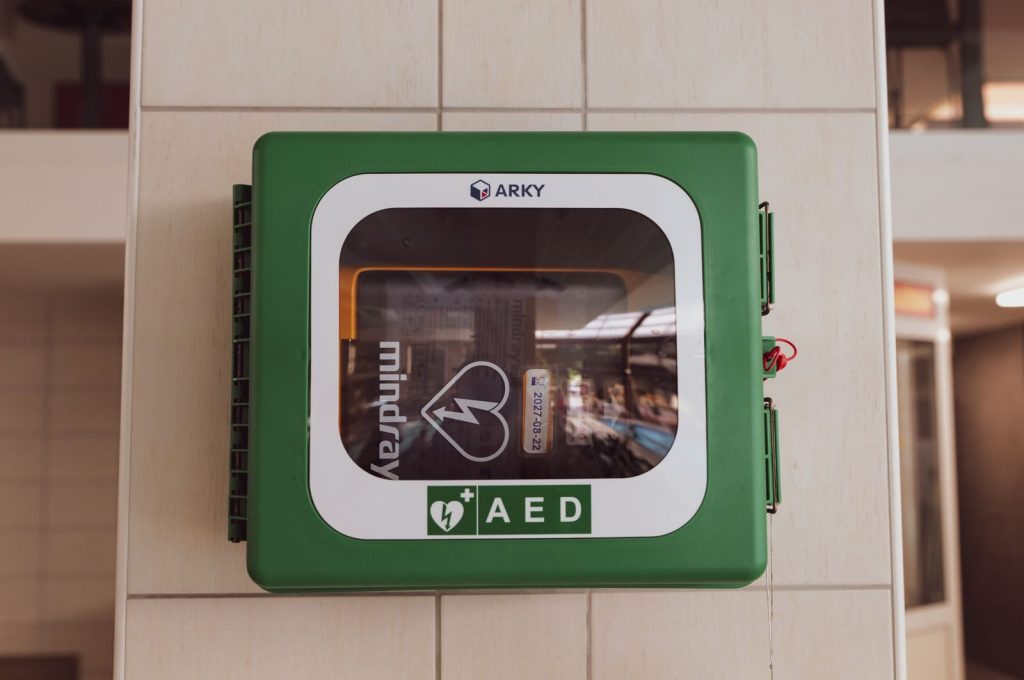
A close-up shot of a wall-mounted AED device in Stubičke Toplice, Croatia.
Emergency Action Plans
Create organized response procedures for medical emergencies, severe weather, security incidents, and facility evacuations.
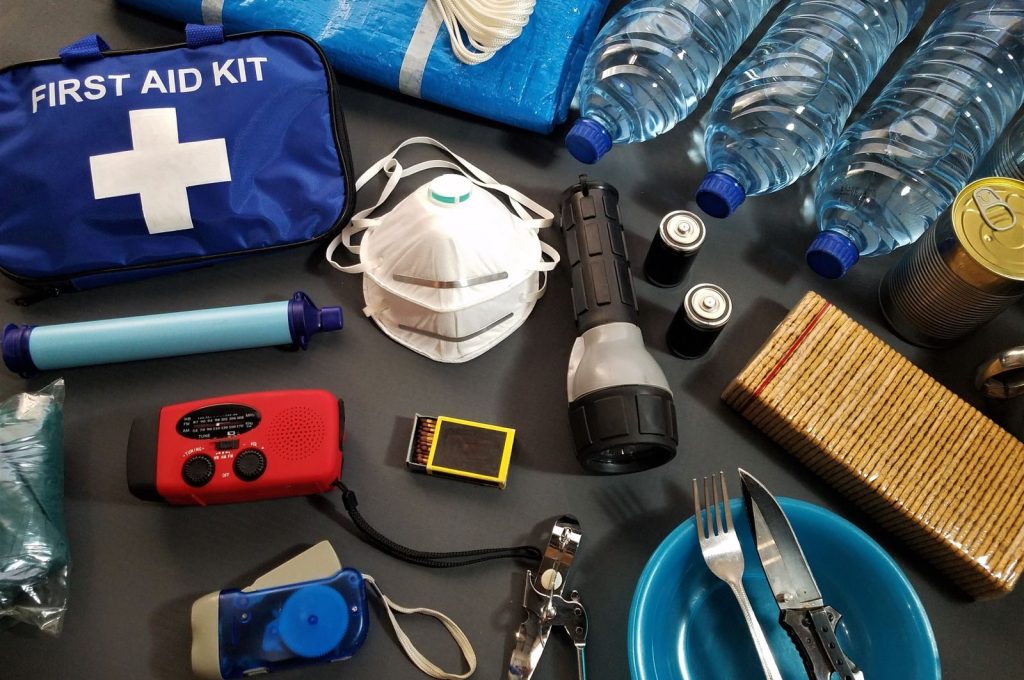
Flat lay of essential emergency survival kit items including first aid and water bottles.
Emergency Equipment
Maintain AEDs, first aid kits, emergency lighting, fire extinguishers, and communication equipment.
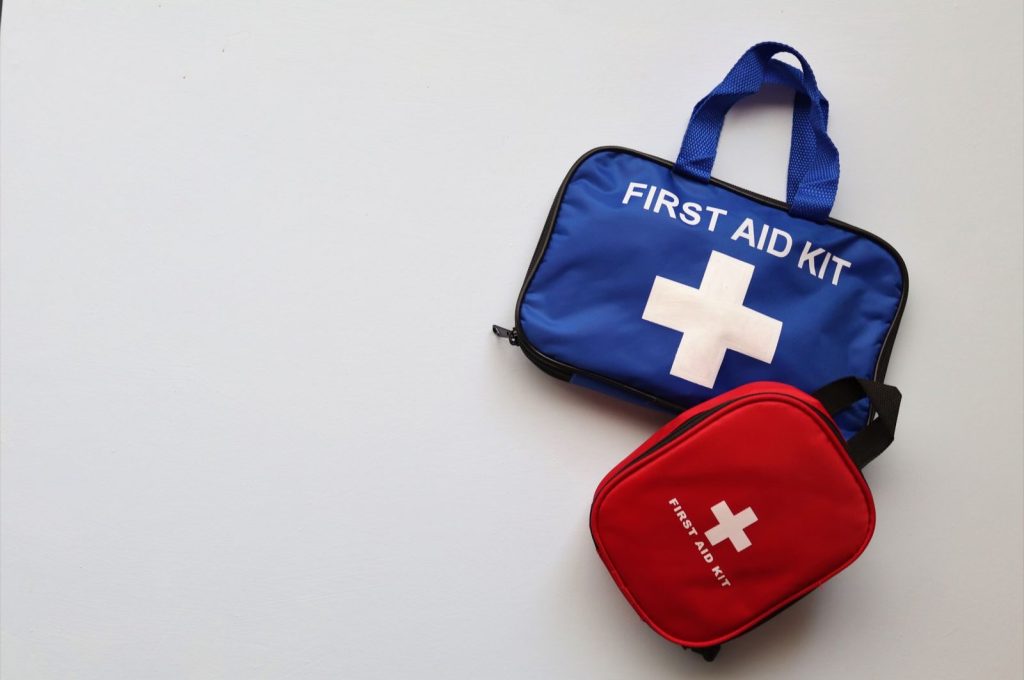
Two first aid kits on a white background with ample copy space.
Staff Training
Prepare coaches, facility staff, volunteers, and event personnel through emergency response training and regular drills.
A dynamic stadium perspective through the tunnel showcasing engaged spectators during a game.
Incident Response
Develop communication procedures, reporting systems, and recovery plans to minimize disruptions and improve safety.

Emergency Preparedness Components

An effective emergency preparedness program combines planning, equipment, training, communication, and regular reviews to improve response during unexpected situations while protecting athletes, spectators, and facility staff.

  • Emergency action plans (EAP)
  • Medical emergency procedures
  • Fire evacuation planning
  • Severe weather response
  • Emergency communication systems
  • AED and first aid readiness
  • Staff emergency training
  • Incident reporting procedures
  • Facility evacuation routes
  • Emergency equipment inspections

Emergency Preparedness Best Practices

Emergency planning should reflect the specific needs of each sports facility, organization, or educational institution. Factors such as facility size, participant demographics, available resources, regulatory requirements, and local risks should all be evaluated when developing or updating an emergency preparedness program.

  • Facility size and layout
  • Types of sports and activities
  • Number of participants and spectators
  • Location of emergency equipment
  • Staff training and certification requirements
  • Accessibility and evacuation routes
  • Local regulations and safety standards
  • Coordination with emergency responders
  • Routine inspections and program reviews
  • Emergency communication procedures

Emergency Planning Considerations

Emergency preparedness should be reviewed regularly to ensure procedures remain effective as facilities, equipment, staff, and regulations change over time. Routine evaluations improve response speed and reduce operational risks.

  • Review emergency plans annually
  • Conduct regular evacuation drills
  • Maintain emergency equipment
  • Update emergency contact information
  • Coordinate with local emergency responders
  • Train new employees promptly
  • Inspect AEDs and first aid supplies
  • Document emergency incidents
  • Evaluate response performance
  • Improve plans after each exercise

F.A.Q.

An Emergency Action Plan outlines the procedures staff should follow during medical emergencies, severe weather, fires, security incidents, or other unexpected events.

Preparedness helps protect athletes, spectators, staff, and visitors while reducing response times and minimizing operational disruptions.

Common equipment includes AEDs, first aid kits, fire extinguishers, emergency lighting, communication devices, and clearly marked evacuation routes.

Emergency plans should typically be reviewed at least once a year and whenever facilities, staffing, or safety regulations change.

Facility managers, coaches, athletic directors, maintenance staff, volunteers, and event personnel should all receive appropriate emergency response training.

Facilities should perform drills regularly throughout the year to familiarize staff with emergency procedures and identify areas for improvement.

Fire departments, EMS, and law enforcement can assist with emergency planning, facility evaluations, and coordinated response procedures.

Regular inspections, updated emergency plans, staff training, equipment maintenance, and post-incident evaluations all contribute to stronger preparedness.

Related Articles

Hello world!

Welcome to WordPress. This is your first post. Edit or delete it, then start writing!...