
Equipment Standards

Understand the industry standards, testing requirements, certification processes, and compliance guidelines that help ensure sports equipment meets recognized safety and performance expectations.

Equipment Standards Overview

Equipment standards establish performance, safety, testing, and design requirements for sports equipment used in schools, universities, recreation centers, sports clubs, and professional facilities. Following recognized standards helps improve safety, consistency, and regulatory compliance.
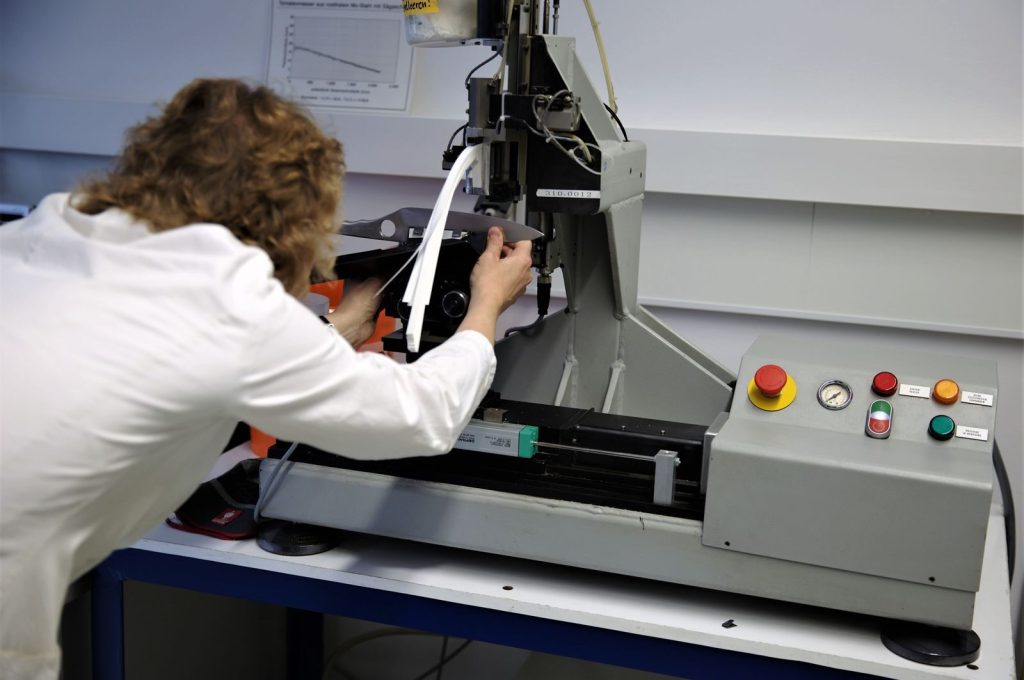
Scientist operates a precision testing machine in a modern laboratory setting.
Safety Standards
Learn how recognized safety standards help reduce equipment-related risks and improve user protection.
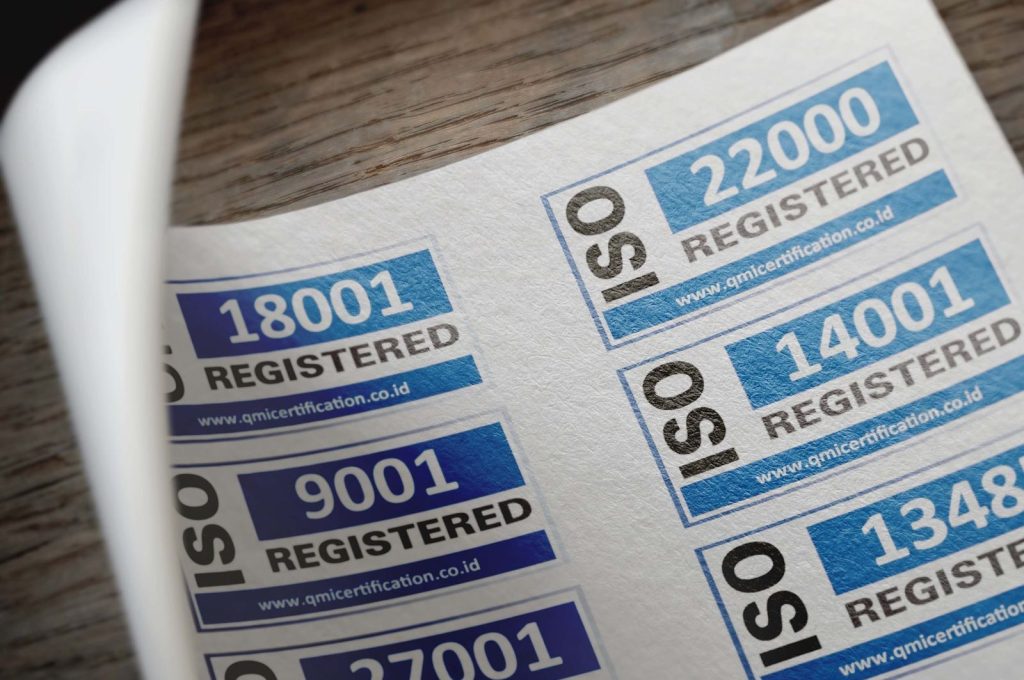
ISO certification stickers with registration numbers on paper.
Performance Standards
Understand testing requirements that evaluate durability, stability, strength, and overall equipment performance.
Industrial worker managing inventory in a warehouse with a clipboard and checklist.
Product Certification
Review certification programs and third-party testing used to verify equipment compliance.
Close-up of a hand signing documents with a pen, symbolizing an important business contract.
Compliance Requirements
Explore regulatory and organizational requirements that influence equipment purchasing and facility operations.

Equipment Standards Categories

Sports equipment standards are developed by industry organizations to establish consistent requirements for product safety, quality, testing, installation, and performance across different sports and facility environments.

  • Safety standards
  • Performance standards
  • Installation standards
  • Testing procedures
  • Material specifications
  • Product certification programs
  • Inspection requirements
  • Maintenance recommendations
  • Accessibility standards
  • Sport-specific standards

Equipment Standards Considerations

Selecting equipment that complies with recognized standards requires evaluating the intended application, governing organizations, facility requirements, user groups, and applicable regulatory expectations.

  • Applicable governing organizations
  • Sport-specific requirements
  • Indoor or outdoor applications
  • User age and competition level
  • Testing and certification status
  • Facility compatibility
  • Installation requirements
  • Inspection frequency
  • Replacement planning
  • Documentation requirements

Equipment Standards Best Practices

Organizations should verify that equipment complies with applicable standards before purchase and continue monitoring compliance through installation, inspections, maintenance, and documentation.

  • Verify applicable standards before purchasing
  • Review manufacturer certifications
  • Follow approved installation guidelines
  • Maintain compliance documentation
  • Schedule routine inspections
  • Replace non-compliant equipment
  • Train staff on applicable standards
  • Monitor standard updates
  • Maintain inspection records
  • Perform periodic compliance reviews

F.A.Q.

Learn how equipment safety reduces operational risks by ensuring sports equipment is properly selected, installed, maintained, and inspected.

Proper equipment safety helps prevent injuries, improves compliance, extends equipment lifespan, and supports safe participation.

Inspection frequency depends on equipment type, usage, manufacturer recommendations, and applicable safety standards.

Goals, bleachers, fitness equipment, playground equipment, scoreboards, padding, and other frequently used equipment should all be inspected regularly.

Equipment should be replaced when structural damage, excessive wear, or safety risks cannot be corrected through maintenance or repair.

Facility managers, maintenance teams, athletic directors, coaches, and equipment supervisors all play important roles in maintaining equipment safety.

Requirements vary by equipment type and may include ASTM, NFHS, NCAA, FIFA, FIBA, or other applicable industry standards.

Routine inspections, preventive maintenance, staff training, documentation, and timely equipment replacement all contribute to safer facilities.

Related Articles

Hello world!

Welcome to WordPress. This is your first post. Edit or delete it, then start writing!...