
Inspection Checklists

Use structured inspection checklists to identify hazards, verify equipment conditions, document maintenance needs, and support safe, compliant sports facility operations.

Inspection Checklist Overview

Inspection checklists help facility managers, maintenance teams, coaches, and operators perform consistent inspections, identify potential hazards, document findings, and prioritize corrective actions before safety issues develop.
Confident female construction worker inspecting site with clipboard and helmet.
Facility Inspections
Inspect courts, fields, seating, lighting, walkways, fencing, and facility infrastructure.
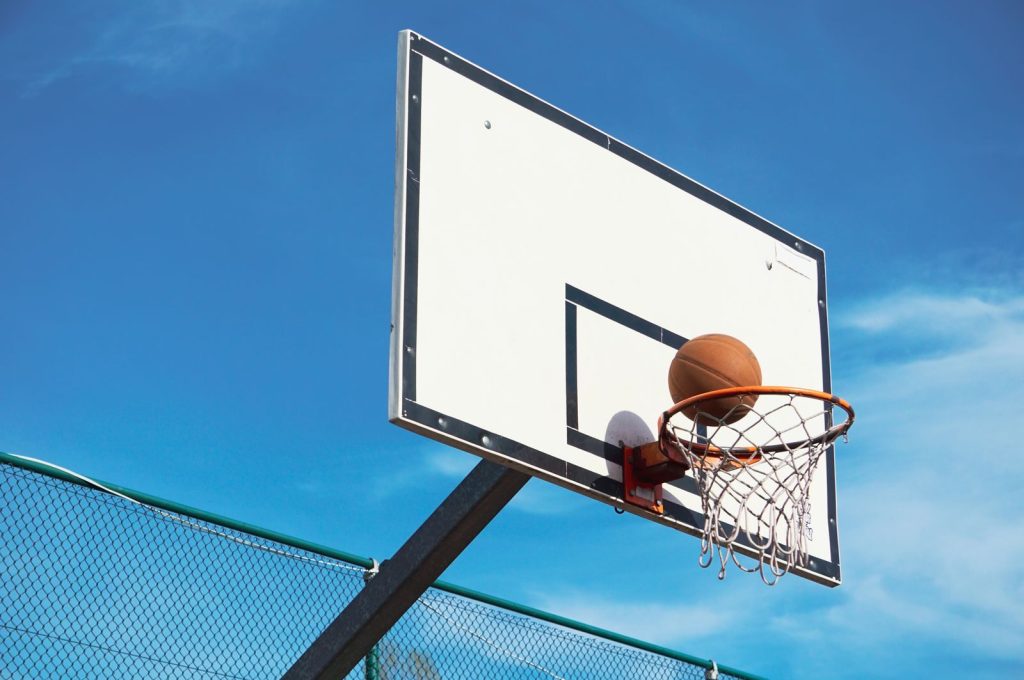
A basketball scoring shot on an outdoor court with a clear blue sky backdrop.
Equipment Inspections
Evaluate goals, bleachers, fitness equipment, scoreboards, nets, padding, and other sports equipment.
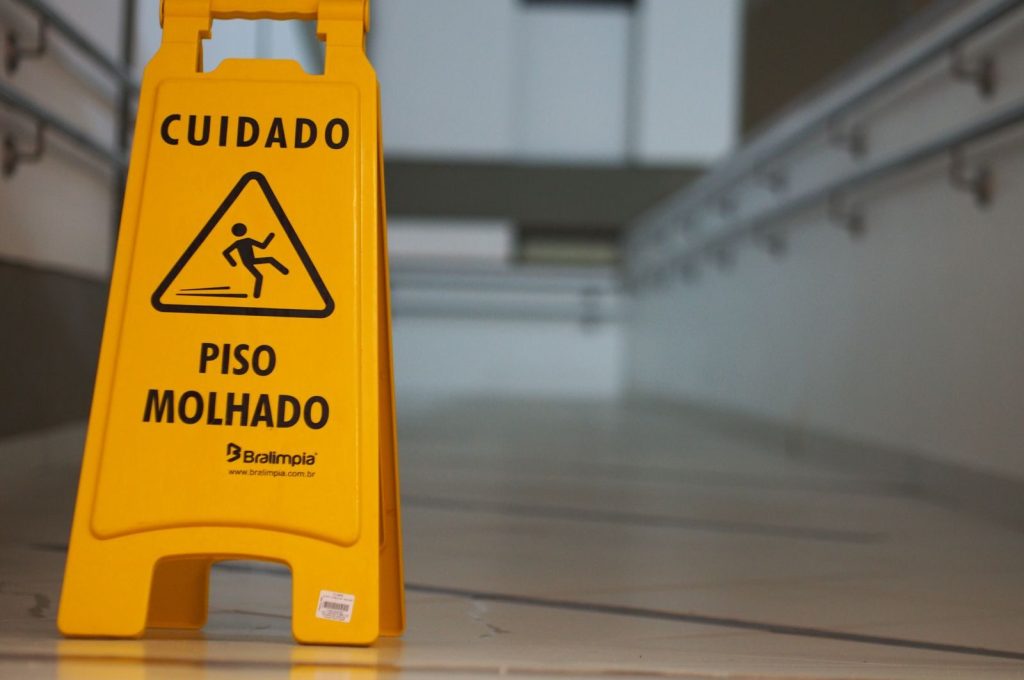
Yellow caution wet floor sign with Portuguese text in an indoor hallway.
Hazard Identification
Identify unsafe conditions, damaged components, environmental hazards, and operational risks.
Engineers wearing hard hats and masks review a construction blueprint on a laptop indoors.
Inspection Documentation
Record inspection results, maintenance requests, corrective actions, and follow-up activities.

Inspection Checklist Categories

Inspection checklists help standardize facility evaluations by organizing inspections into specific operational categories. Structured checklists improve consistency, simplify documentation, and support preventive maintenance programs.

  • Daily inspection checklists
  • Weekly inspection checklists
  • Monthly inspection checklists
  • Seasonal inspection checklists
  • Facility inspection checklists
  • Equipment inspection checklists
  • Playing surface inspections
  • Emergency equipment inspections
  • Accessibility inspections
  • Maintenance follow-up checklists

Inspection Planning Considerations

Inspection programs should consider facility usage, equipment condition, environmental factors, staffing resources, and regulatory requirements to establish practical inspection schedules and documentation procedures.

  • Inspection frequency
  • Facility usage levels
  • Equipment age and condition
  • Indoor and outdoor environments
  • Seasonal weather conditions
  • Applicable safety standards
  • Maintenance priorities
  • Documentation requirements
  • Staff responsibilities
  • Corrective action procedures

Inspection Checklist Best Practices

Organizations should establish standardized inspection procedures, maintain accurate inspection records, and resolve identified issues promptly to improve facility safety and operational performance.

  • Use standardized inspection forms
  • Complete inspections on schedule
  • Document inspection findings
  • Photograph identified issues
  • Assign corrective actions promptly
  • Track completed repairs
  • Maintain inspection records
  • Review recurring maintenance issues
  • Train inspection personnel
  • Update checklists regularly

F.A.Q.

Inspection checklists are standardized tools used to evaluate sports facilities, equipment, and infrastructure for safety, maintenance, and operational conditions.

They help ensure inspections are completed consistently, improve documentation, identify hazards early, and support preventive maintenance.

Typical checklists include playing surfaces, lighting, seating, equipment, emergency exits, accessibility features, signage, fencing, and maintenance observations.

Inspection frequency depends on facility usage, equipment type, organizational policies, manufacturer recommendations, and applicable safety standards.

Facility managers, maintenance personnel, athletic directors, operations staff, and qualified inspectors typically conduct inspections.

Inspection findings should be recorded using standardized forms or digital systems, including observations, photographs, corrective actions, and completion dates.

Hazards should be prioritized based on risk, assigned for corrective action, repaired promptly, and verified during follow-up inspections.

Organizations should standardize inspection procedures, train staff, maintain inspection records, review recurring issues, and update checklists regularly.

Related Articles

Hello world!

Welcome to WordPress. This is your first post. Edit or delete it, then start writing!...