
Sports-Specific Injury Prevention

Reduce sport-specific injury risks through appropriate protective equipment, safe facility design, proper playing surfaces, participant education, operational safety practices, and preventive risk management across a variety of sports.

Sports-Specific Injury Prevention Overview

Injury prevention programs help schools, sports facilities, clubs, and organizations reduce common sports-related injuries through proper equipment selection, facility safety, protective equipment, education, and operational best practices.
Detailed view of hands handling a helmet and wearing protective gear outdoors.
Protective Equipment
Use appropriate protective equipment designed for the specific sport, participant age, and level of competition.
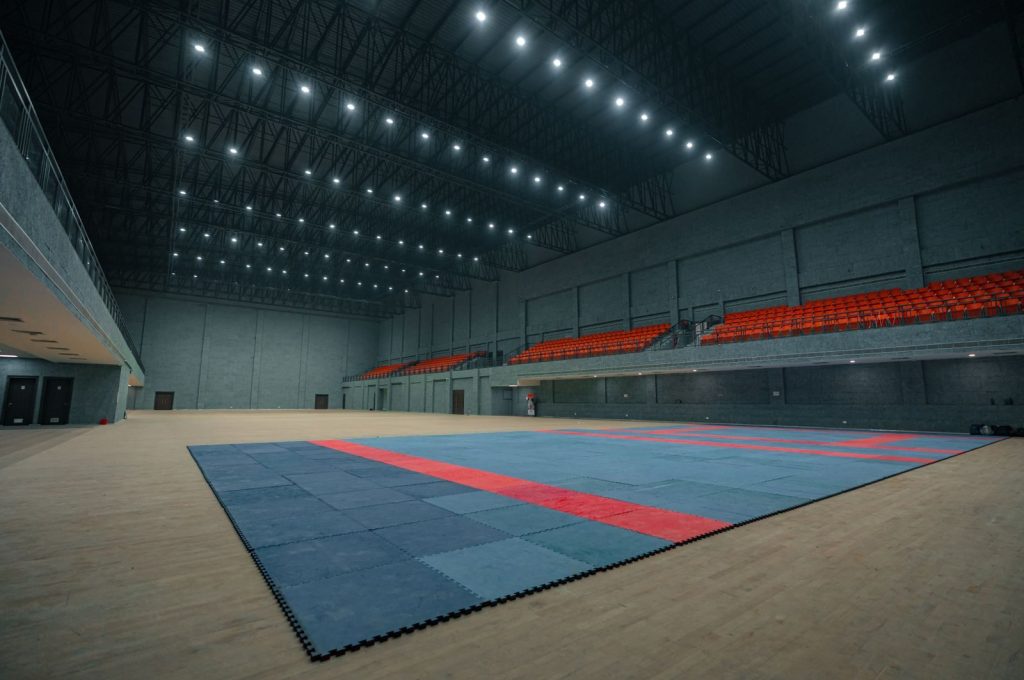
Large indoor sports venue in Surat, India, with ample seating and matted flooring.
Safe Playing Surfaces
Maintain sports surfaces that provide proper traction, shock absorption, and consistent playing conditions.
Soccer coach planning strategy with young players on sunny field
Safety Training
Educate coaches, athletes, officials, and staff on safe participation, injury prevention strategies, and emergency response procedures.
Corporate team discussing strategies at a desk with laptops and documents.
Risk Reduction
Identify common injury risks and implement preventive measures before practices, competitions, and recreational activities.

Injury Prevention Strategies

Effective injury prevention programs combine protective equipment, safe facilities, participant education, operational procedures, and ongoing risk management to reduce injuries across different sports and age groups.

  • Protective equipment selection
  • Safe facility management
  • Playing surface maintenance
  • Warm-up and conditioning programs
  • Safety education
  • Equipment inspections
  • Emergency preparedness
  • Participant supervision
  • Risk assessments
  • Injury reporting procedures

Injury Prevention Considerations

Injury prevention planning should consider the type of sport, participant age, competition level, environmental conditions, facility design, equipment requirements, and applicable safety standards.

  • Sport-specific injury risks
  • Participant age and ability
  • Protective equipment requirements
  • Indoor or outdoor environments
  • Playing surface conditions
  • Weather considerations
  • Supervision requirements
  • Emergency response planning
  • Equipment maintenance
  • Applicable safety guidelines

Injury Prevention Best Practices

Organizations should implement comprehensive injury prevention programs that combine equipment management, facility inspections, safety training, emergency preparedness, and continuous program evaluation.

  • Provide appropriate protective equipment
  • Inspect facilities before activities
  • Maintain safe playing surfaces
  • Educate coaches and participants
  • Monitor environmental conditions
  • Review injury reports regularly
  • Update safety procedures
  • Conduct emergency drills
  • Document corrective actions
  • Evaluate prevention programs annually

F.A.Q.

Sports-specific injury prevention involves identifying common injury risks associated with individual sports and implementing strategies to reduce those risks through equipment, facilities, education, and safety procedures.

Effective injury prevention helps reduce accidents, improve athlete safety, minimize operational disruptions, and support long-term participation in sports and recreational activities.

Common factors include improper equipment, unsafe playing surfaces, inadequate supervision, environmental conditions, insufficient training, and failure to follow established safety procedures.

Facilities can reduce injury risks by maintaining equipment, inspecting playing surfaces, improving lighting, managing hazards, providing clear signage, and implementing emergency preparedness plans.

Protective equipment helps reduce the severity and likelihood of injuries when properly selected, maintained, and used according to sport-specific requirements.

Responsibility is shared among facility managers, coaches, athletic directors, officials, maintenance staff, participants, and organizational leadership.

Programs should be reviewed regularly, particularly after incidents, facility upgrades, equipment changes, or updates to safety standards and organizational policies.

Best practices include routine inspections, preventive maintenance, safety education, proper equipment selection, emergency preparedness, continuous risk assessment, and ongoing program evaluation.

Related Articles

Hello world!

Welcome to WordPress. This is your first post. Edit or delete it, then start writing!...