
Surface & Impact Reduction

Reduce sports-related injuries through appropriate playing surfaces, impact-absorbing materials, shock attenuation systems, and facility design practices that improve athlete safety, performance, and long-term facility durability.

Surface & Impact Reduction Overview

Surface and impact reduction strategies help sports facilities minimize injury risks by selecting appropriate flooring systems, maintaining consistent playing conditions, improving shock absorption, and reducing impact forces across different sports environments.
A detailed overhead shot of a brown basketball court with white lines.
Sports Flooring
Select flooring systems designed for specific sports, activity levels, and facility requirements.
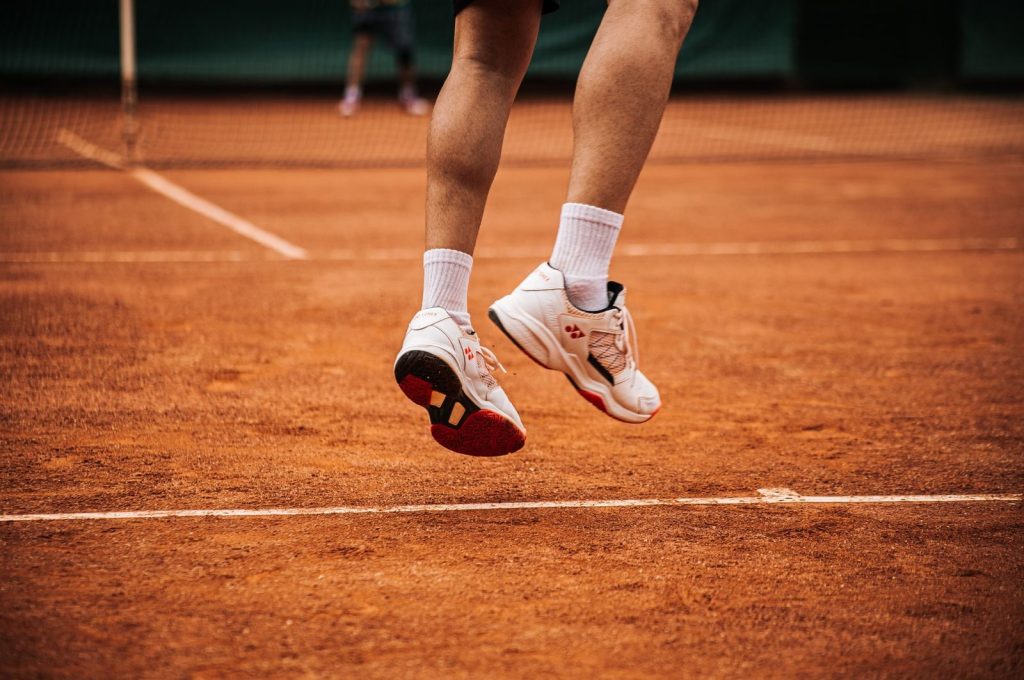
Low angle view of a tennis player jumping on a clay court, showcasing movement.
Shock Absorption
Use surfaces that reduce impact forces and improve comfort during athletic activities.
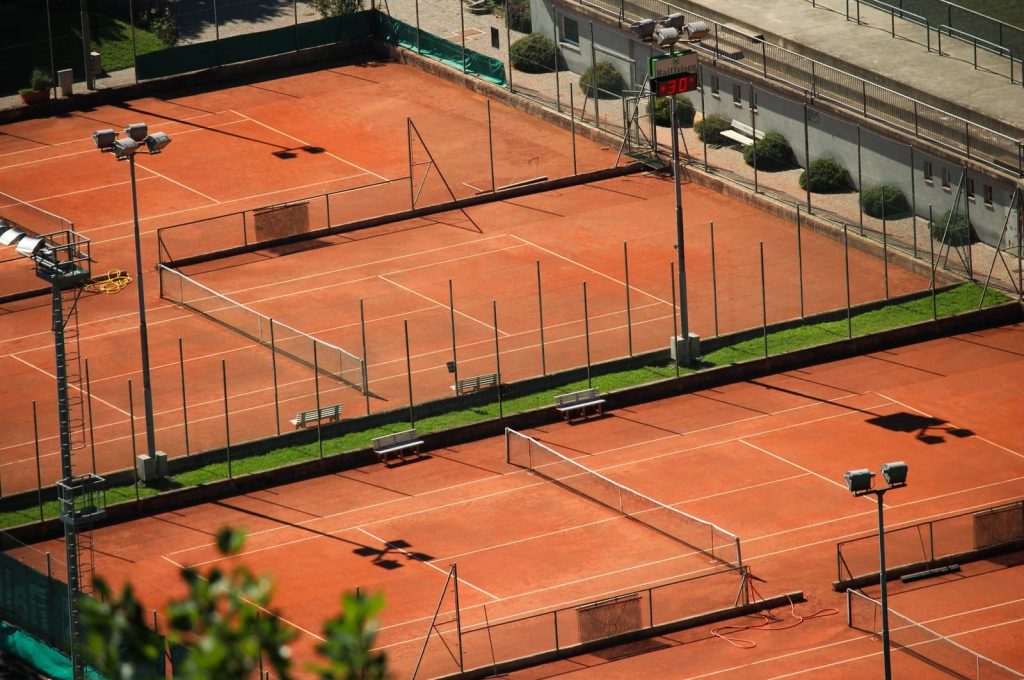
Aerial shot of empty red clay tennis courts on a sunny day with shadows.
Surface Maintenance
Maintain consistent traction, surface condition, and performance through regular inspections and maintenance.
Vibrant outdoor playground equipment for kids in Bengaluru, India.
Fall Protection
Reduce injury risks by incorporating appropriate impact attenuation materials in high-risk activity areas.

Surface Safety Solutions

Surface safety programs combine appropriate flooring systems, impact reduction technologies, routine maintenance, and performance testing to create safer sports environments for athletes of all ages and skill levels.

  • Sports flooring systems
  • Shock-absorbing surfaces
  • Synthetic turf systems
  • Running track surfaces
  • Court flooring materials
  • Playground safety surfacing
  • Protective padding systems
  • Impact attenuation materials
  • Surface maintenance programs
  • Performance testing

Surface Selection Considerations

Selecting sports surfaces should consider sport-specific requirements, participant safety, impact performance, durability, maintenance needs, environmental conditions, and applicable performance standards.

  • Sport-specific requirements
  • Shock absorption performance
  • Surface traction
  • Slip resistance
  • Durability and wear resistance
  • Indoor or outdoor applications
  • Maintenance requirements
  • Drainage performance
  • Accessibility requirements
  • Lifecycle costs

Surface Safety Best Practices

Organizations should inspect sports surfaces regularly, repair damaged areas promptly, maintain consistent playing conditions, and evaluate surface performance throughout the facility lifecycle.

  • Inspect surfaces before activities
  • Repair damaged areas promptly
  • Maintain consistent traction
  • Monitor surface wear
  • Perform routine cleaning
  • Evaluate shock absorption
  • Replace worn materials when needed
  • Document maintenance activities
  • Review performance periodically
  • Follow manufacturer recommendations

F.A.Q.

Surface and impact reduction refers to the use of flooring systems, shock-absorbing materials, and facility design practices that help reduce injury risks during sports and recreational activities.

Properly designed sports surfaces improve traction, reduce impact forces, lower slip risks, and provide consistent playing conditions that help reduce injuries.

Important considerations include sport type, participant age, shock absorption, traction, durability, maintenance requirements, environmental conditions, and applicable performance standards.

Sports surfaces should be inspected routinely before activities and undergo scheduled maintenance inspections throughout the year to identify wear, damage, or performance issues.

Shock absorption describes a surface’s ability to reduce impact forces during running, jumping, falling, and other athletic movements, helping reduce stress on the body.

Facilities should clean surfaces regularly, repair damage promptly, monitor traction, inspect for hazards, and follow manufacturer maintenance recommendations.

Basketball, volleyball, tennis, gymnastics, indoor training, playgrounds, track and field, and many other sports can benefit from properly designed impact-reducing surfaces.

Best practices include selecting appropriate flooring, performing routine inspections, documenting maintenance, monitoring performance, replacing worn materials, and reviewing safety requirements regularly.

Related Articles

Hello world!

Welcome to WordPress. This is your first post. Edit or delete it, then start writing!...