Youth Athlete Protection

Support safer youth sports participation through age-appropriate equipment, qualified supervision, facility safety, injury prevention strategies, emergency preparedness, and organizational policies that protect young athletes during training and competition.

Youth Athlete Protection Overview

Youth athlete protection focuses on creating safe sports environments through appropriate equipment, qualified coaching, facility management, emergency preparedness, supervision, and age-appropriate participation guidelines.
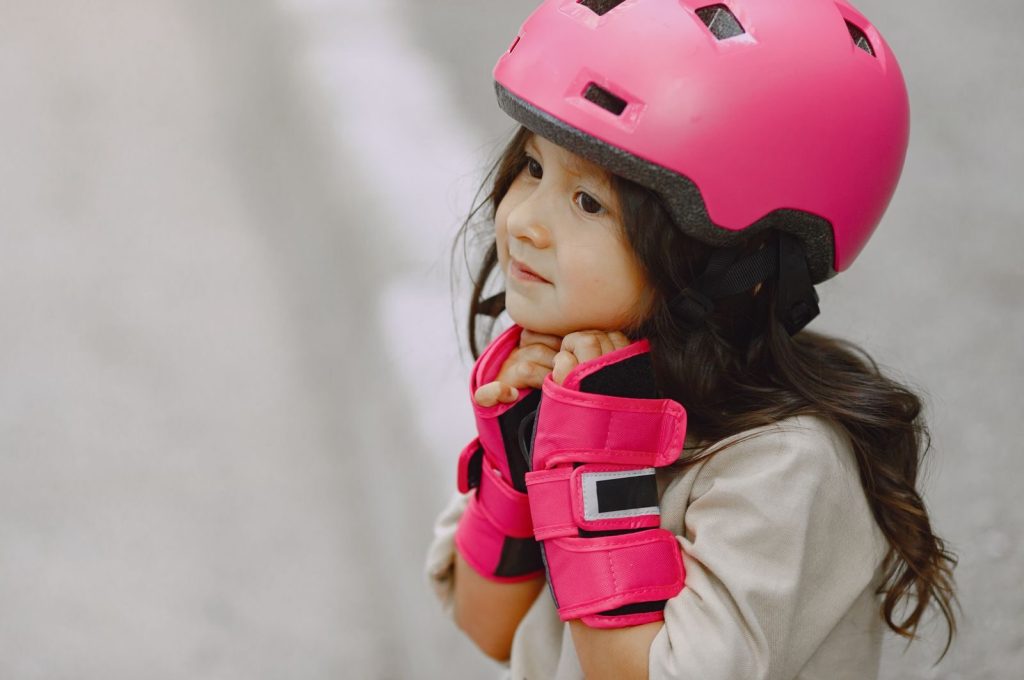
Young girl wearing a bright pink helmet and gloves, providing a side view with a blurred background.
Age-Appropriate Equipment
Select equipment designed for the participant's age, size, skill level, and sport to reduce injury risks.
Soccer coach planning strategy with young players on sunny field
Qualified Supervision
Ensure coaches, instructors, volunteers, and staff receive appropriate safety training and provide active supervision.
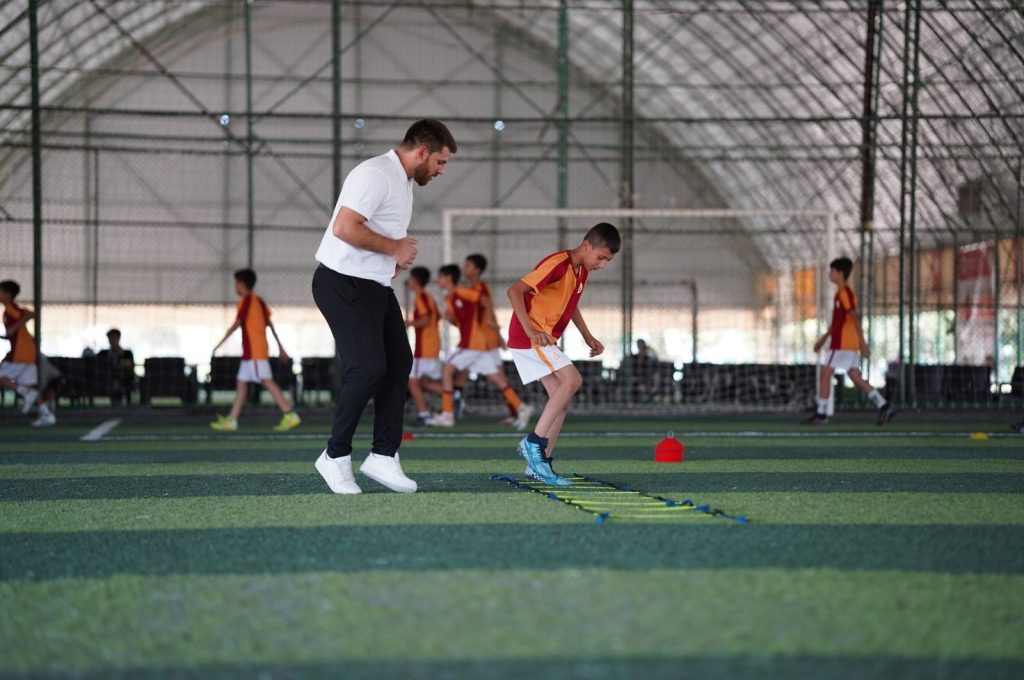
A young boy trains under a coach in a structured soccer practice indoors.
Safe Sports Environment
Maintain facilities, playing surfaces, and equipment that support safe youth participation and reduce operational hazards.
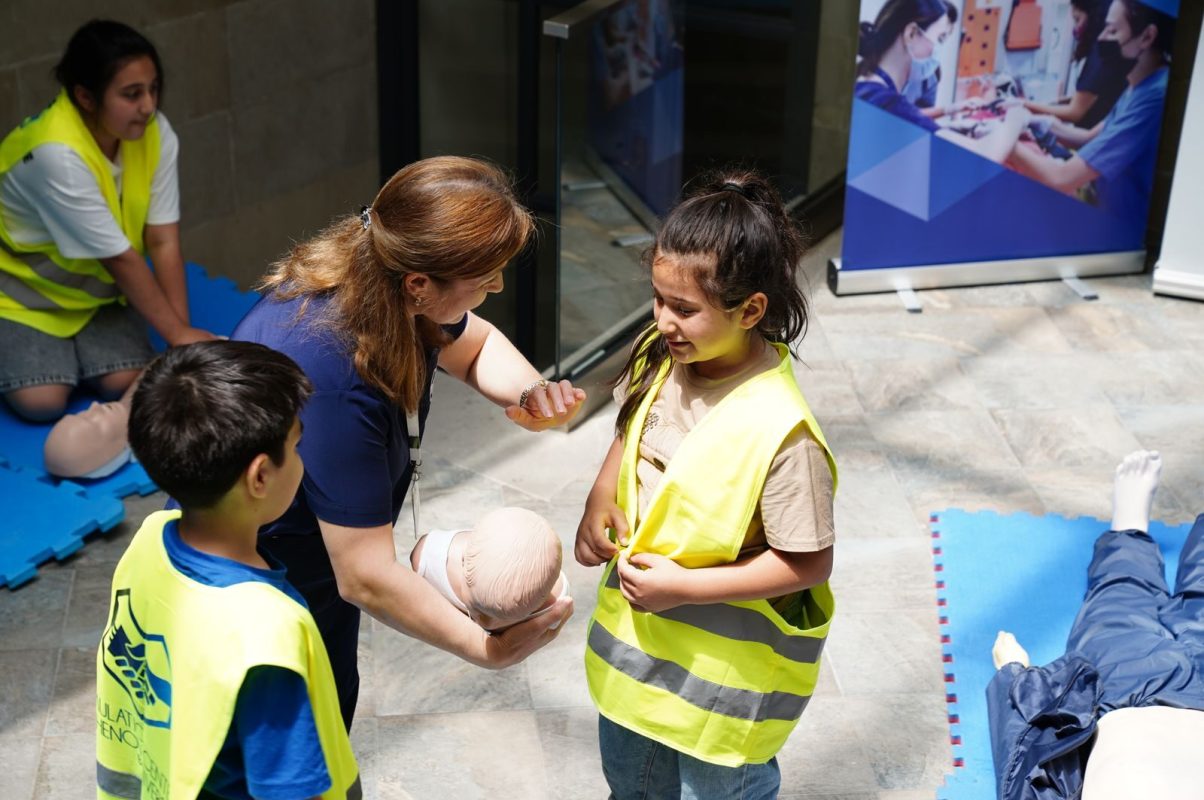
Kids and instructor learning CPR techniques during first aid safety training.
Emergency Response
Develop emergency action plans, communication procedures, and injury response protocols for youth sports activities.

Youth Safety Strategies

Effective youth athlete protection programs combine age-appropriate equipment, qualified supervision, facility safety, education, emergency planning, and organizational policies to reduce risks and support positive sports experiences.

  • Age-appropriate equipment
  • Qualified coaching and supervision
  • Safe facility management
  • Emergency preparedness
  • Injury prevention education
  • Participant safety policies
  • Equipment inspections
  • Parent communication
  • Risk assessments
  • Incident reporting procedures

Youth Athlete Protection Considerations

Organizations should consider participant age, physical development, sport-specific risks, supervision requirements, facility conditions, emergency planning, and organizational policies when developing youth sports safety programs.

  • Participant age and development
  • Sport-specific safety requirements
  • Coach-to-athlete supervision ratios
  • Protective equipment requirements
  • Facility conditions
  • Emergency response planning
  • Communication procedures
  • Parent involvement
  • Applicable safety guidelines
  • Program risk management

Youth Athlete Protection Best Practices

Organizations should implement comprehensive youth protection programs that combine supervision, equipment management, facility safety, emergency preparedness, and ongoing program evaluation.

  • Use age-appropriate equipment
  • Inspect facilities before activities
  • Provide qualified supervision
  • Educate coaches and volunteers
  • Maintain emergency action plans
  • Communicate with parents regularly
  • Document incidents and follow-up actions
  • Review safety procedures annually
  • Monitor participant wellbeing
  • Continuously improve safety programs

F.A.Q.

Youth athlete protection refers to policies, procedures, facility management, supervision, and safety practices that help create safer sports environments for children and young athletes.

Youth protection programs help reduce injury risks, improve participant safety, support positive sports experiences, and create safe environments for learning and athletic development.

Equipment should be age-appropriate, properly fitted, well maintained, and suitable for the specific sport, skill level, and level of competition.

Organizations can improve safety through qualified supervision, facility inspections, emergency planning, equipment maintenance, coach education, and clear organizational policies.

Coaches help create safe training environments, teach proper techniques, monitor participant wellbeing, enforce safety procedures, and respond appropriately during emergencies.

Emergency action plans help organizations respond quickly to injuries, severe weather, medical emergencies, and other unexpected situations while minimizing risks.

Safety programs should be reviewed regularly, especially before each season, after incidents, when facilities change, or when safety guidelines are updated.

Best practices include qualified supervision, age-appropriate equipment, safe facilities, emergency preparedness, regular inspections, ongoing education, parent communication, and continuous safety improvements.

Related Articles

Hello world!

Welcome to WordPress. This is your first post. Edit or delete it, then start writing!...